


Woodpecker Control & Deterrent Services
Woodpecker Control & Deterrent Services from Birds & Geese Beware. Practical bird control planning, FAQs, and service guidance across NJ, NYC, NY, and CT.












Woodpeckers drum on siding and trim for territory and insects, leaving real structural damage behind long before the noise stops.
Damage Source Diagnosis
We check whether drumming is territorial or driven by insects hiding inside the siding or trim.
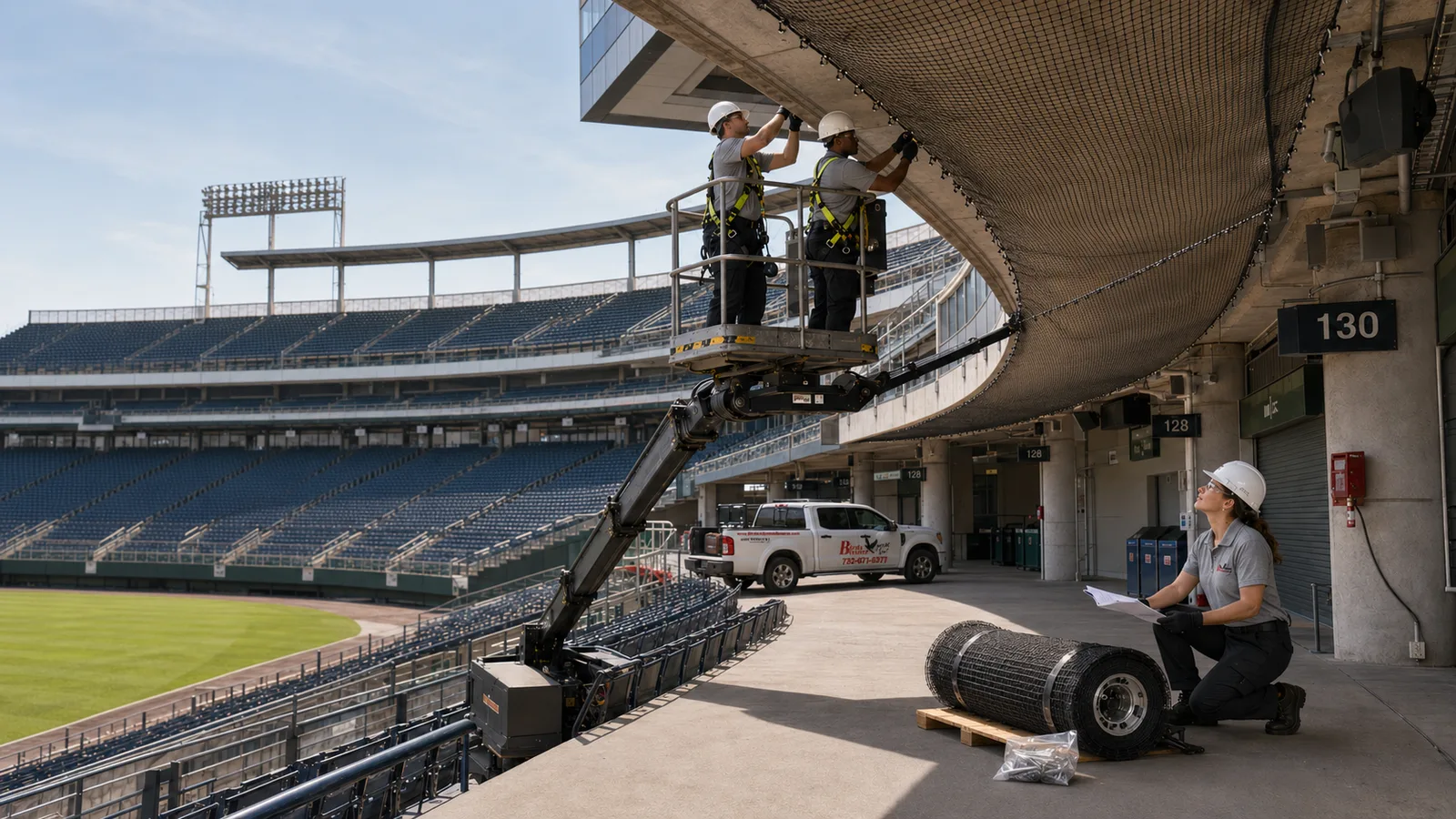
Netting & Wire Coverage
Vulnerable siding sections are covered with netting or wire to physically block repeat drumming.
Structural Repair Coordination
We flag existing damage so siding and trim can be repaired before deterrents go back up.
Non-Lethal Methods Only
Every deterrent we use redirects woodpeckers elsewhere without harming the bird.
Commercial woodpecker control across NJ, NY & CT
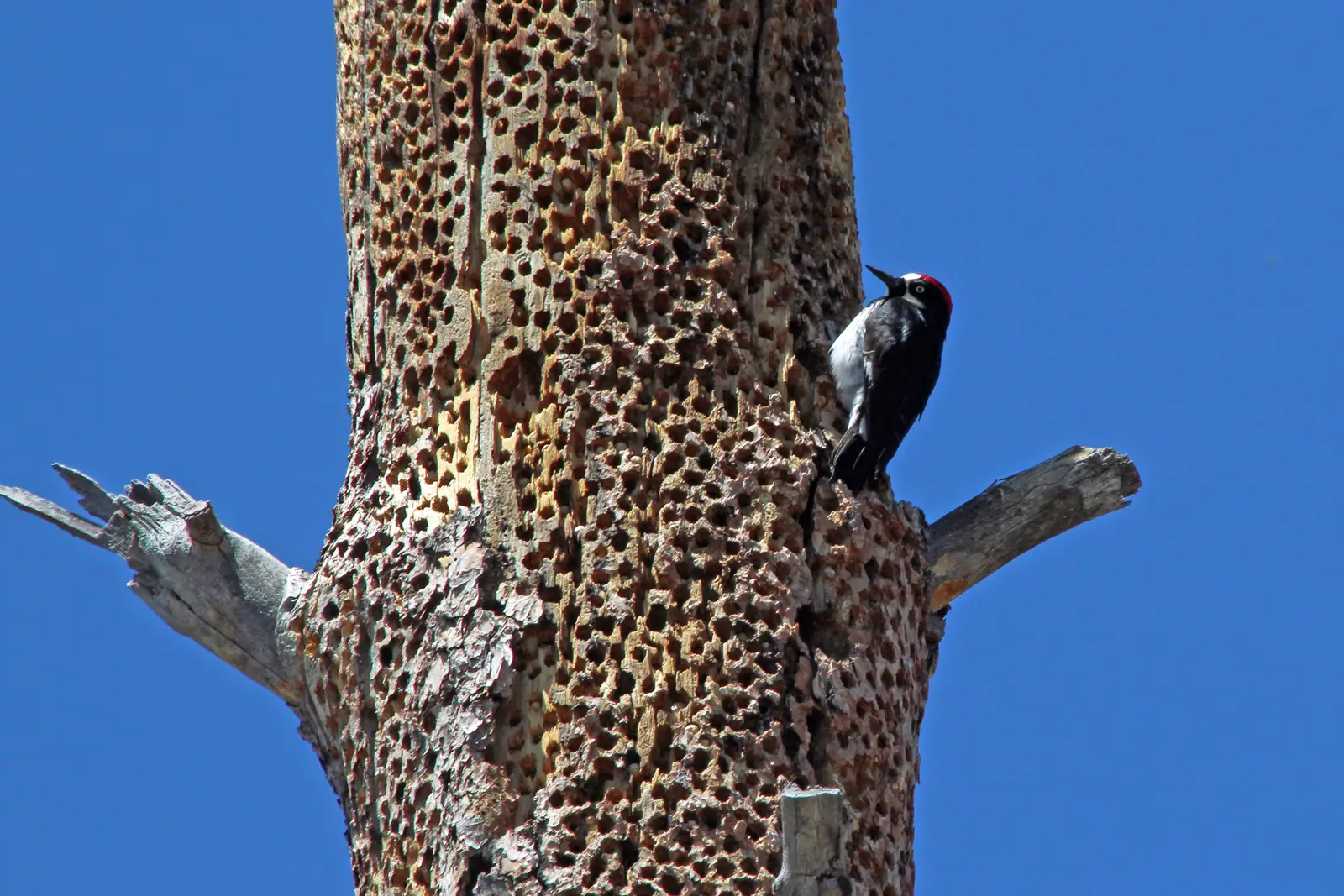
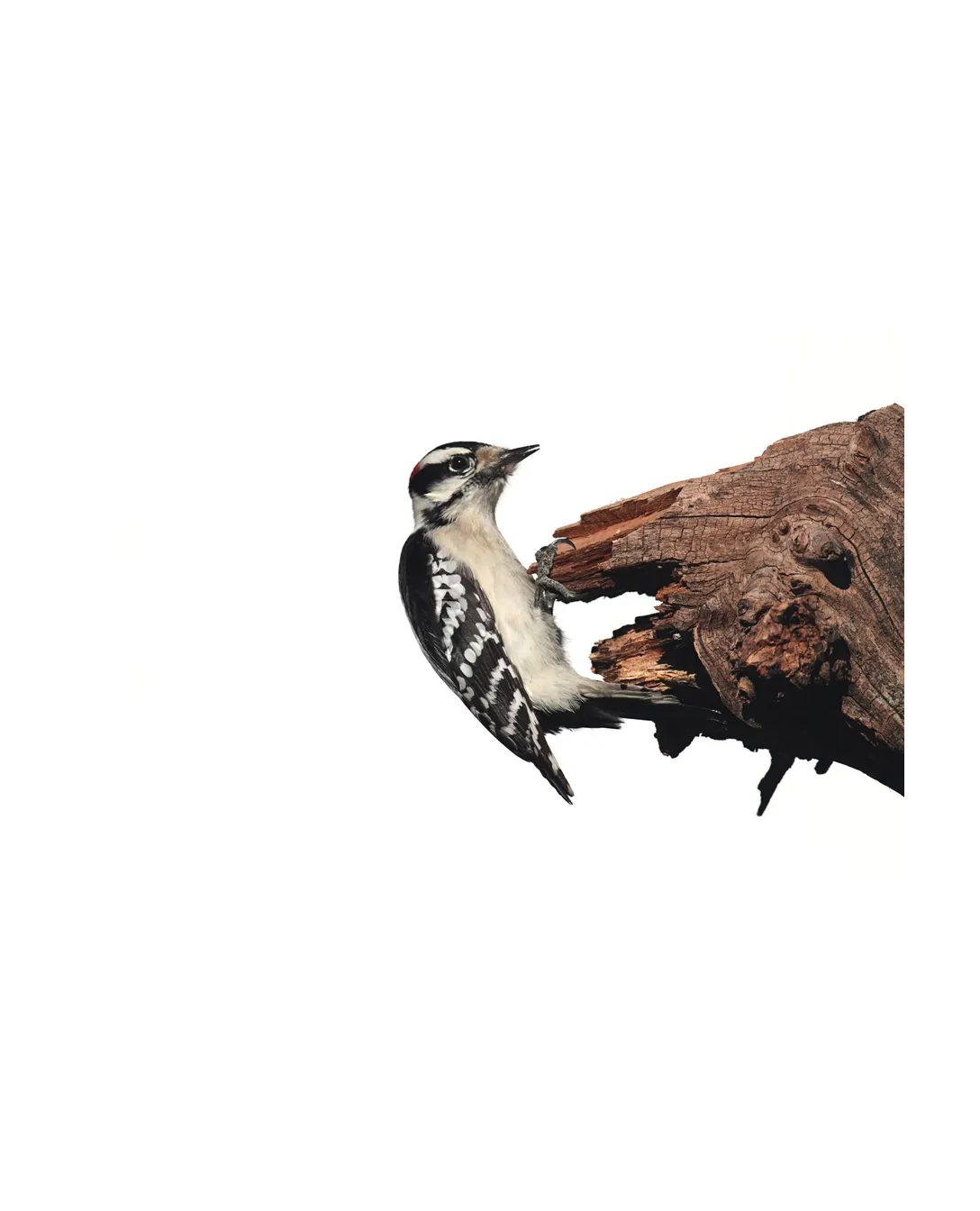
Woodpeckers play a genuine role in a healthy landscape, controlling insects and helping manage tree health, but that same drumming and drilling instinct causes real damage when it's aimed at wood siding, eaves, fascia, and decks. Woodpeckers peck to communicate, claim territory, find food, and carve nesting cavities, and they're most active during spring and fall mating and territory season. All woodpecker species are protected under federal and state law, which means every fix has to work within that framework.
Birds & Geese Beware, Inc. has managed woodpecker activity on commercial, municipal, and residential properties across New Jersey, New York, and Connecticut since 1991. We identify why a woodpecker has targeted a specific spot on the building, then install deterrents that stop the behavior without harming the bird.
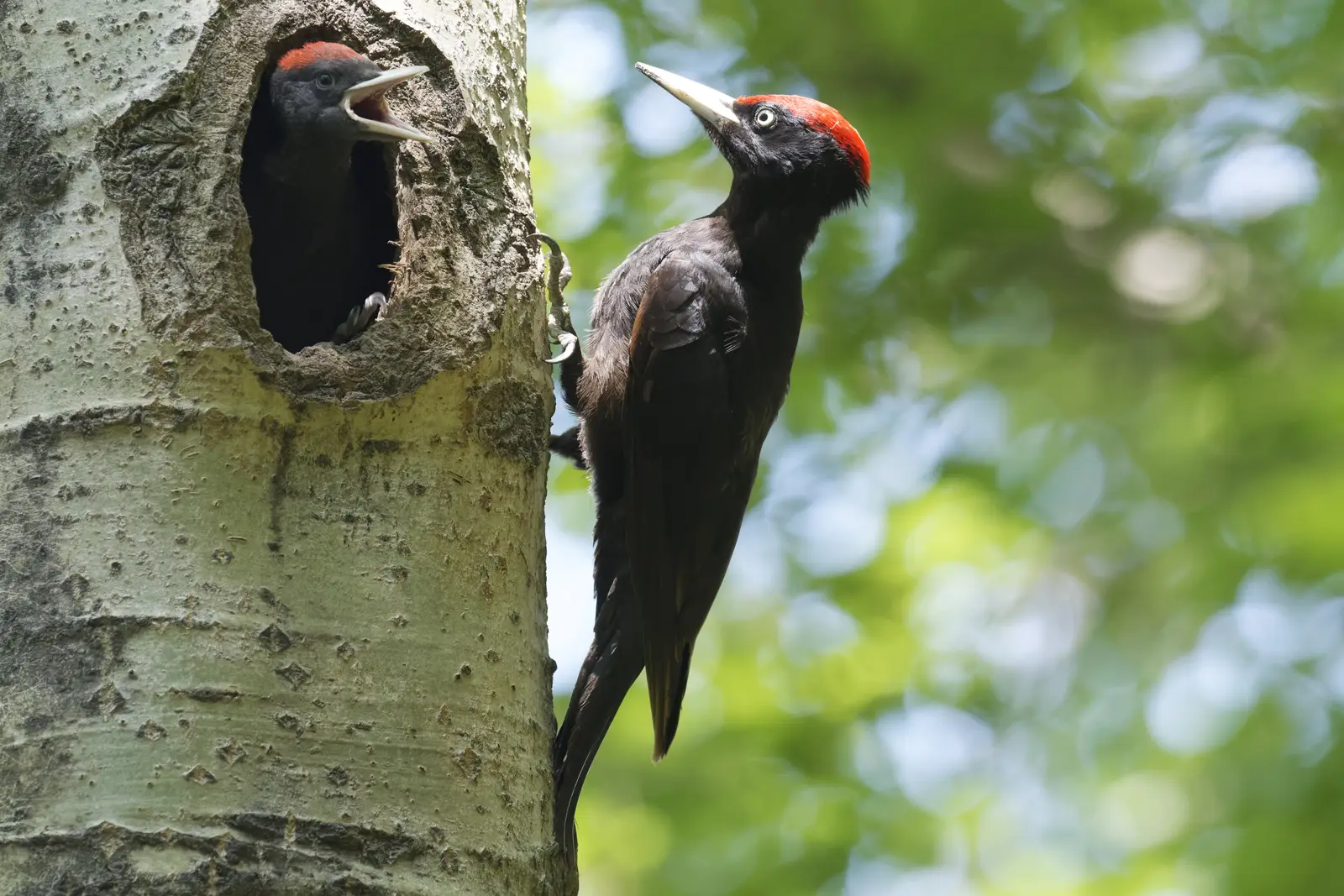
Why woodpeckers target a building, and where the damage shows up
Woodpeckers are drawn to wood siding and trim for a handful of specific reasons, and identifying which one is driving the activity shapes the fix.
- Drumming to claim territory or attract a mate, often on resonant surfaces like siding or gutters
- Foraging for insects, especially in wood that's already soft or rotting
- Excavating a nesting cavity, typically in spring
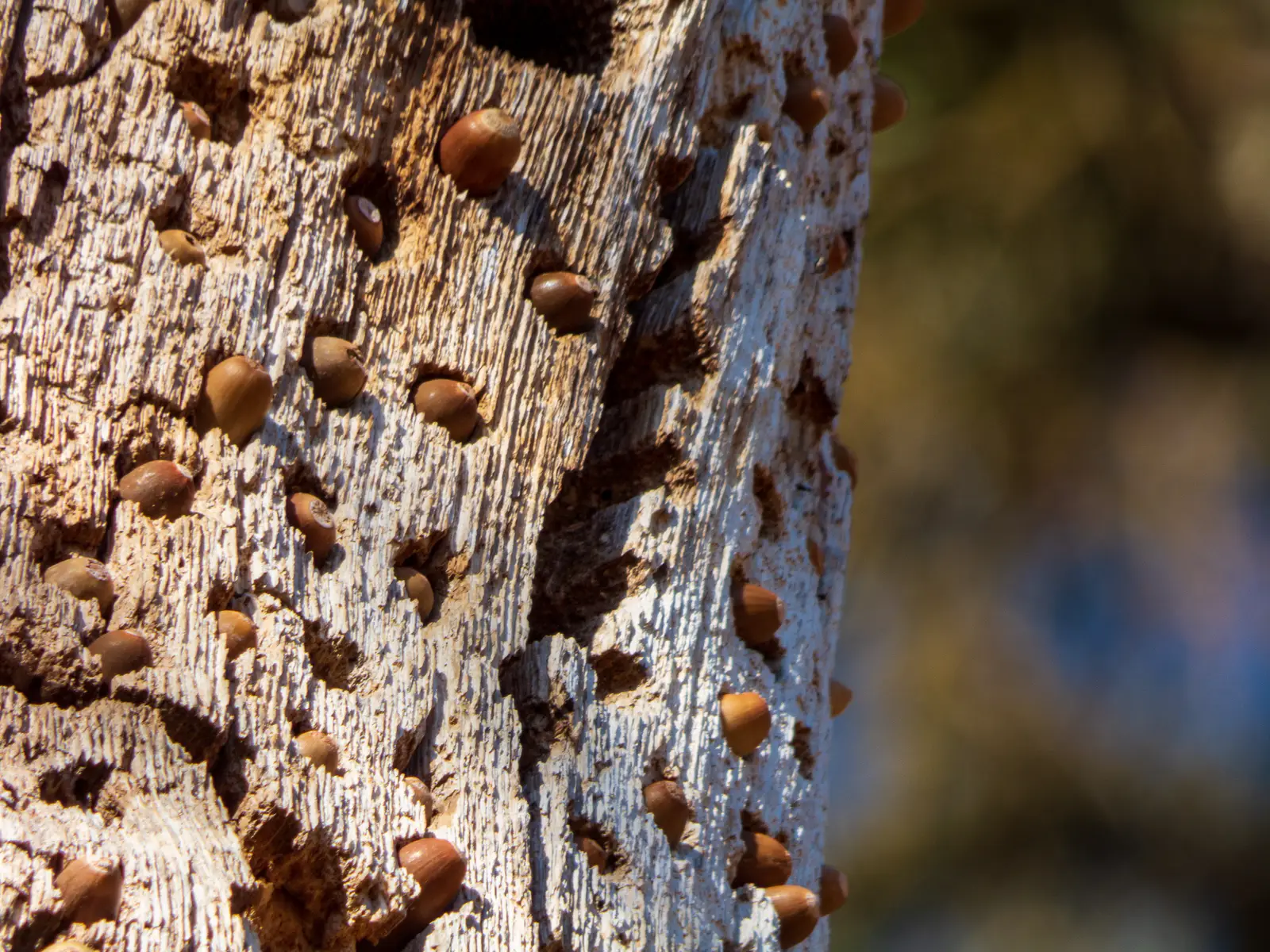
- Storing food in bark-like or textured surfaces
Damage ranges from cosmetic dimpling to holes that go all the way through siding, eaves, gutters, and downspouts. Rotting or already-damaged wood attracts more pecking, since it signals insects underneath, which is why untreated damage tends to compound rather than stay the same size.
How we keep woodpeckers off, compared
Because woodpeckers are protected, every option here is a non-lethal deterrent rather than a removal method. Here's how the ones we install compare.
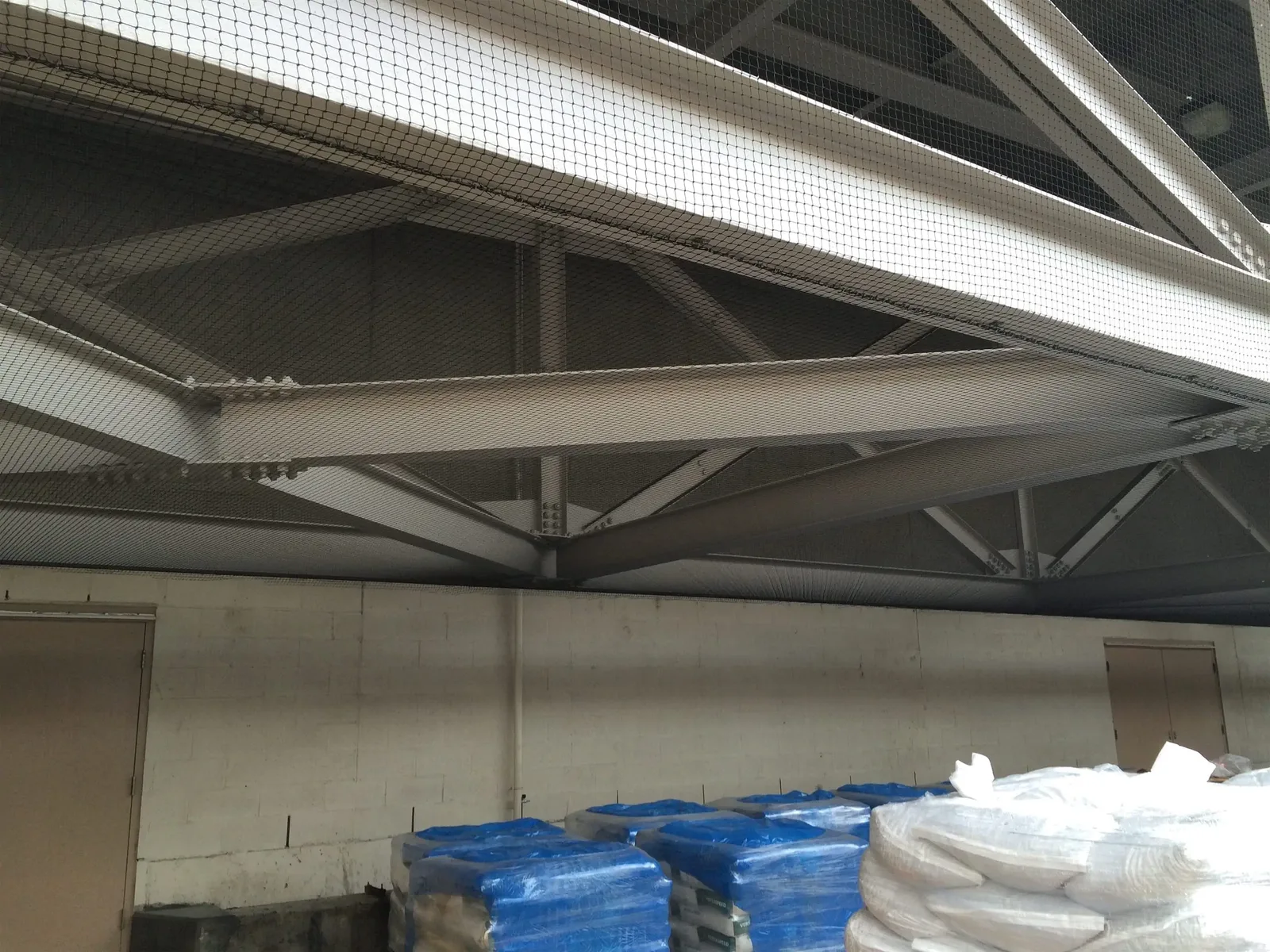

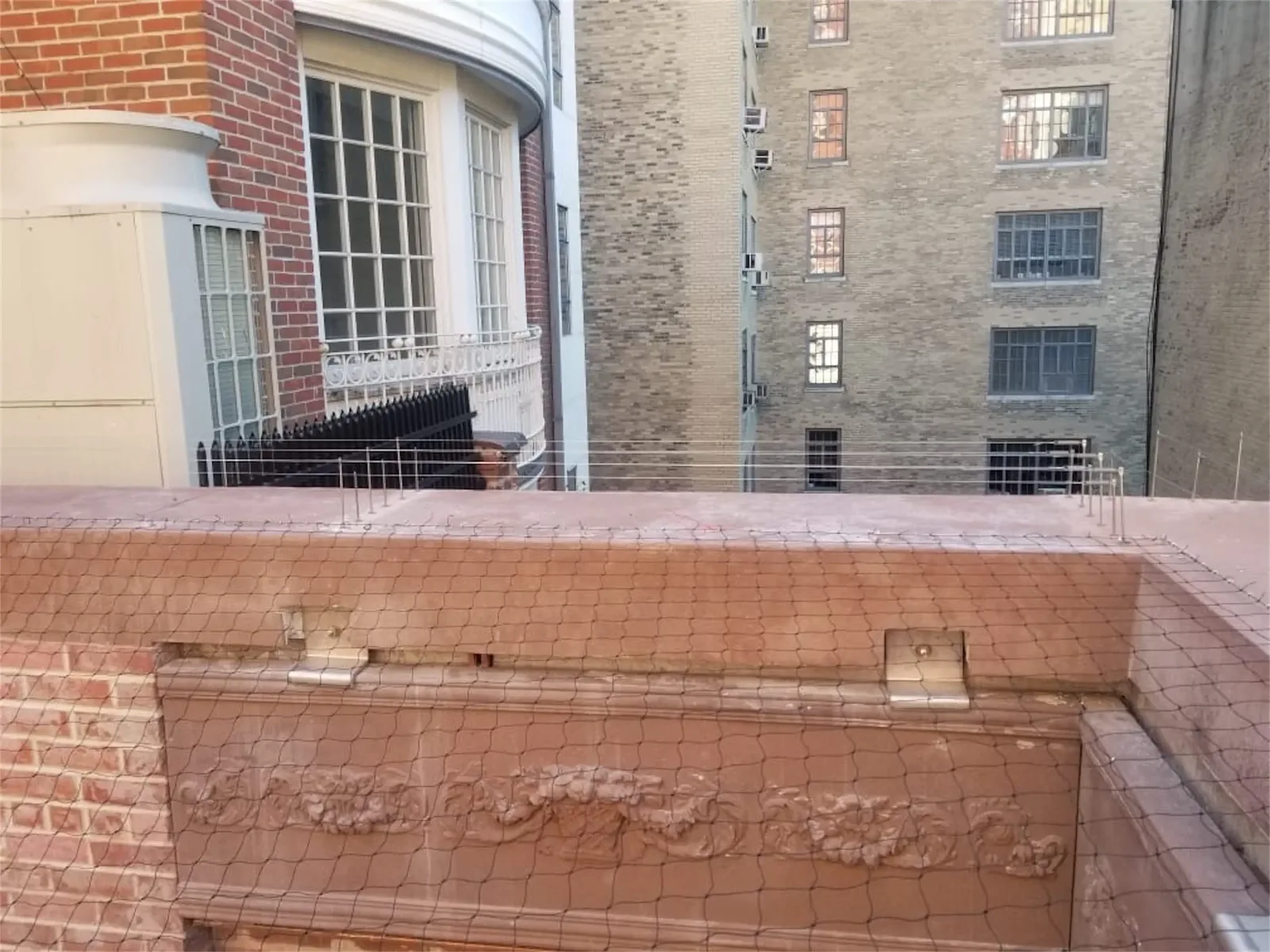
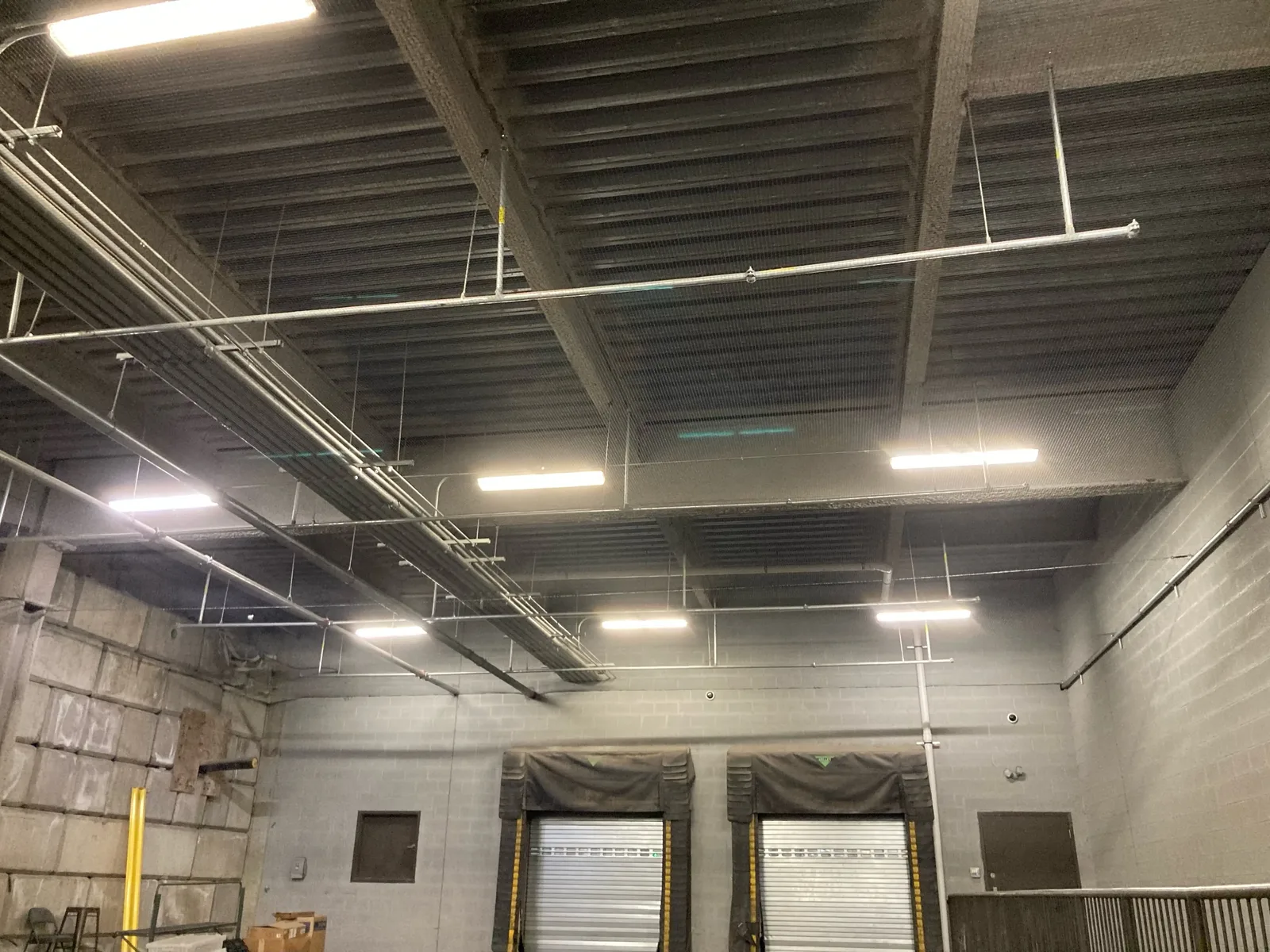

Because woodpeckers often return to the exact same drumming spot, we target the specific section that's being hit rather than treating the whole exterior, which keeps the fix both effective and unobtrusive.
See your woodpecker deterrent options
We match the deterrent to why the woodpecker is there, whether it's drumming, foraging, or nesting, and to the surface involved.
Repair and long-term prevention
Deterrents work best paired with repair, since damaged or rotting wood keeps attracting attention even after a deterrent goes up. Smaller holes can often be filled with wood putty, while larger breaches may need a section of siding replaced and matched to the surrounding material, particularly on the cedar and redwood siding common across our service area. We also check for rotting wood nearby, since it's frequently the underlying reason a woodpecker chose that spot to begin with. Regular inspection of siding, roofing, and fencing, paired with timely repairs, is the single best way to keep a property from becoming a repeat target.
How a woodpecker control job runs
Every job follows the same process, whether it's one damaged section or activity across the whole exterior.
- Site survey. We identify the exact spot being targeted and the likely reason, drumming, foraging, or nesting, since that determines the fix.
- Matched install. Crews fit netting, spikes, wire, or hard exclusion to the specific surface involved.
- Repair. We address existing damage, from wood putty on small holes to full section replacement on larger ones.
- Follow-up. We check back through the spring and fall activity windows, since woodpeckers will retest a spot that worked before.
Humane, permitted, and proven
All woodpecker species are protected under the Migratory Bird Treaty Act, which makes it unlawful to trap, harm, or remove them or their nests without a permit. Every method we install is non-lethal exclusion and deterrence that respects that protection while stopping the damage to your property. It's the standard commercial and municipal clients expect, and the one we've held for more than thirty years across New Jersey, New York, and Connecticut.
Woodpecker control for every kind of property
We provide woodpecker control for a wide range of commercial, municipal, and residential customers across New Jersey, New York, and Connecticut.
Our process for Woodpecker Control & Deterrent Services.
Species Identification
Effective control starts with confirming the bird. We identify the species, flock size, and behavior on your property — roosting, nesting, or feeding — because each species responds to different deterrents.
Pressure & Damage Survey
We map where droppings, nesting material, and landing pressure concentrate, and what the activity is costing you in cleanup, damage, and health risk.
Humane Deterrent Plan
We match the right combination of netting, spikes, wire, shock track, or hazing to the species and the structure — humane, non-lethal, and compliant with migratory bird regulations.
Install, Clean & Maintain
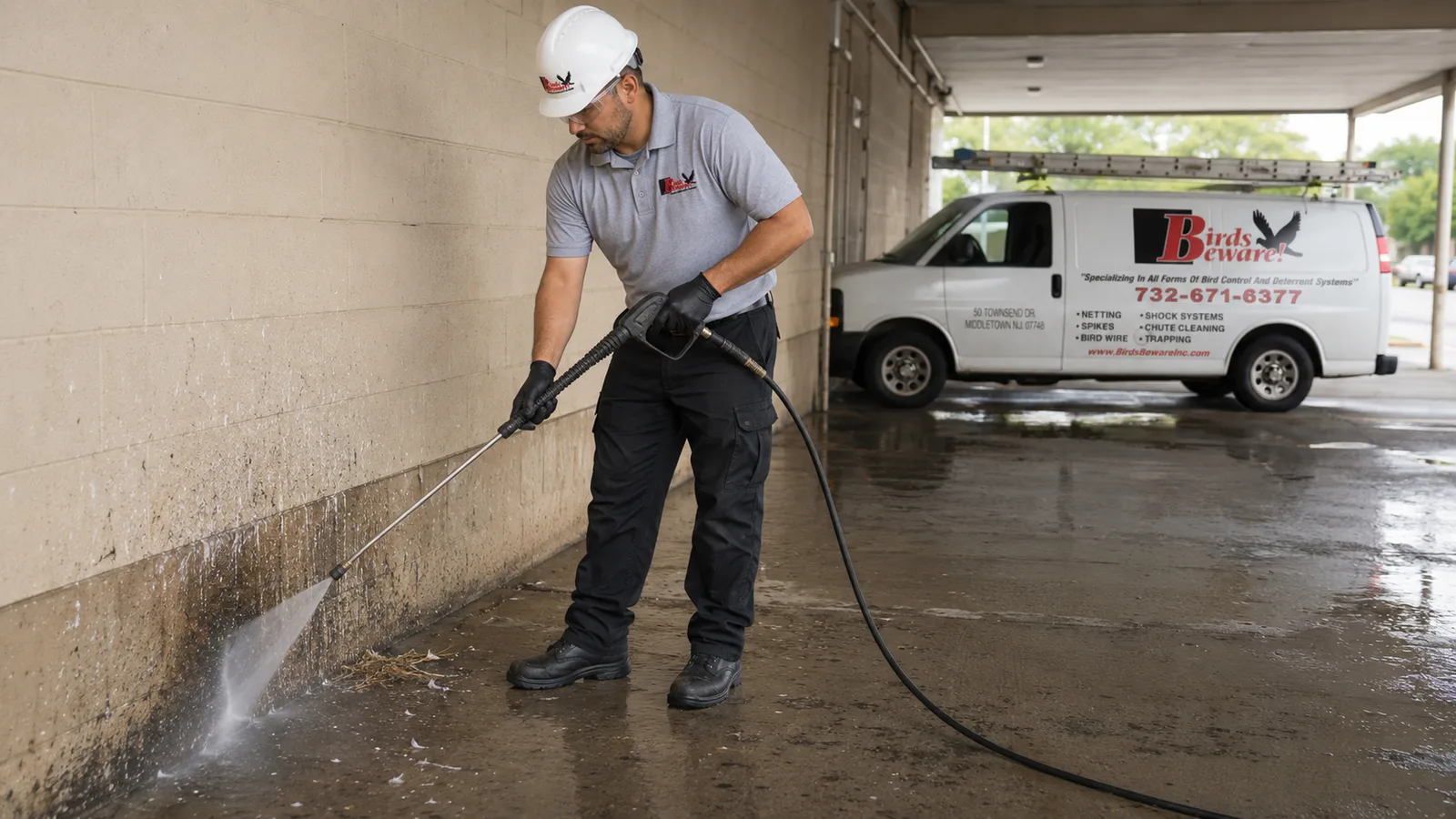
Our crews install the deterrents, pressure-wash and disinfect the mess left behind, and schedule follow-ups so the flock does not simply move to the next ledge.
Questions we get about woodpecker control
Don't see your question? Call the owner directly — we're glad to talk through your property.
Call us(732) 558-2464Bird Control, Species & Deterrents



Site Resources for You
Guides, answers, and company pages — everything else you might need.
Bird Resources
Canada Geese Resources
- Resources for Canada GeeseThe geese knowledge hub.
- Hazing TechniquesHow humane hazing actually works.
- Canada Goose BiologyWhy geese behave the way they do.
- Control MethodsEvery method, and when each applies.
- Geese FAQsCommon questions, straight answers.
- Signs of a Geese InvasionEarly warnings a flock is settling in.
- Geese & Human Health MythsWhat's real and what's exaggerated.
- Property Damage from GeeseTurf, water, and walkway damage explained.
Get in Touch
Choose how to reach us and tell us about your bird or Canada geese problem.