

Property Damage Caused By Birds Nesting
Property Damage Caused By Birds Nesting: practical guidance, safe next steps, compliance notes, and when to call Birds & Geese Beware for help.

Property damage caused by birds nesting: risks and prevention
Birds are a normal part of the environment around any property, but when they choose to nest inside a building instead of near it, the results are rarely harmless. Nesting materials packed into gutters and vents block water flow, and droppings left to sit are acidic enough to eat into roofing, siding, and metal over time. What starts as a couple of birds on a ledge can turn into a structural repair bill if it goes unaddressed.
Birds & Geese Beware, Inc. has treated nesting-related damage on commercial, municipal, and residential properties across New Jersey, New York, and Connecticut since 1991. This guide covers where birds typically nest, what kind of damage to expect, and how we deter and repair it.
Where birds typically nest
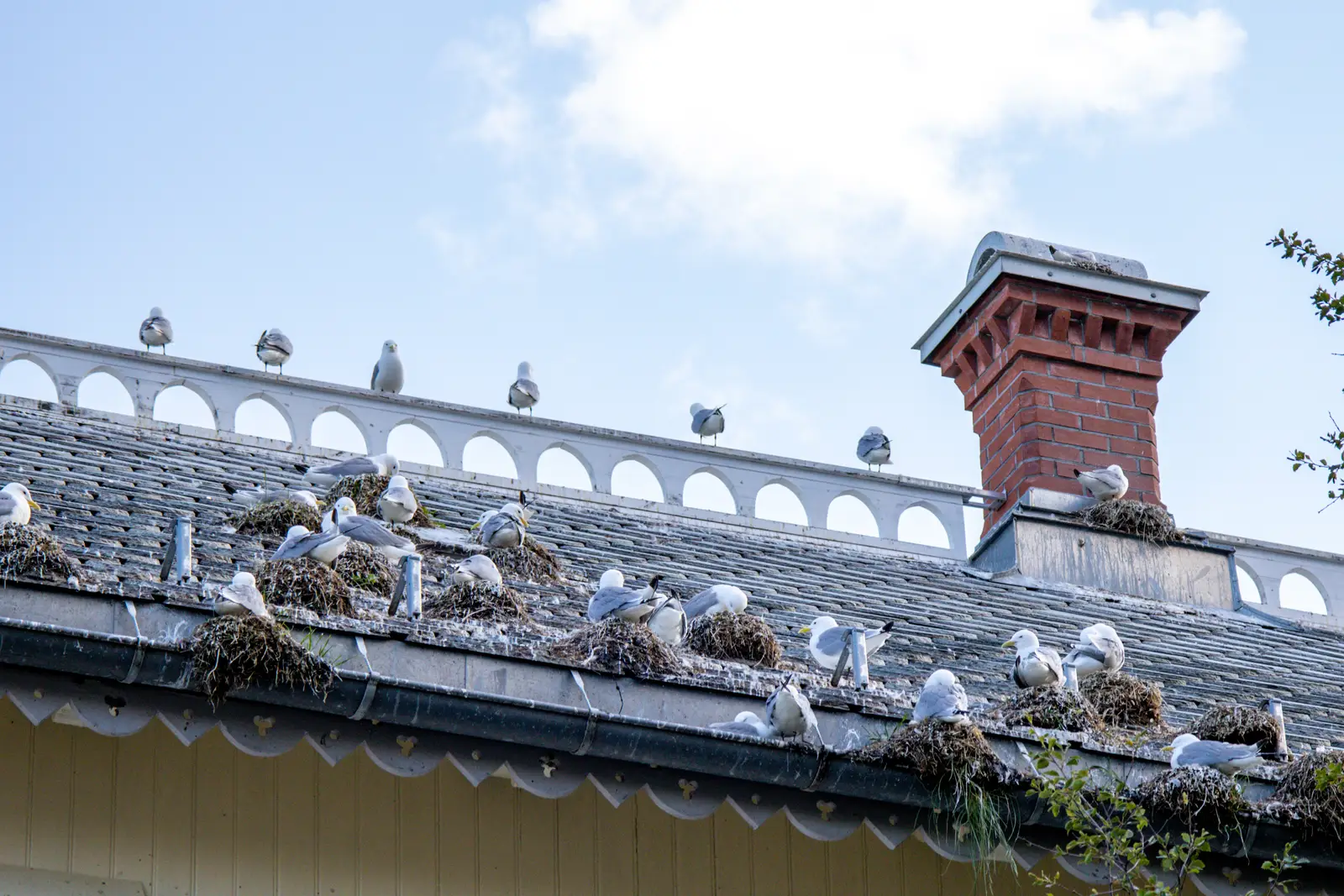
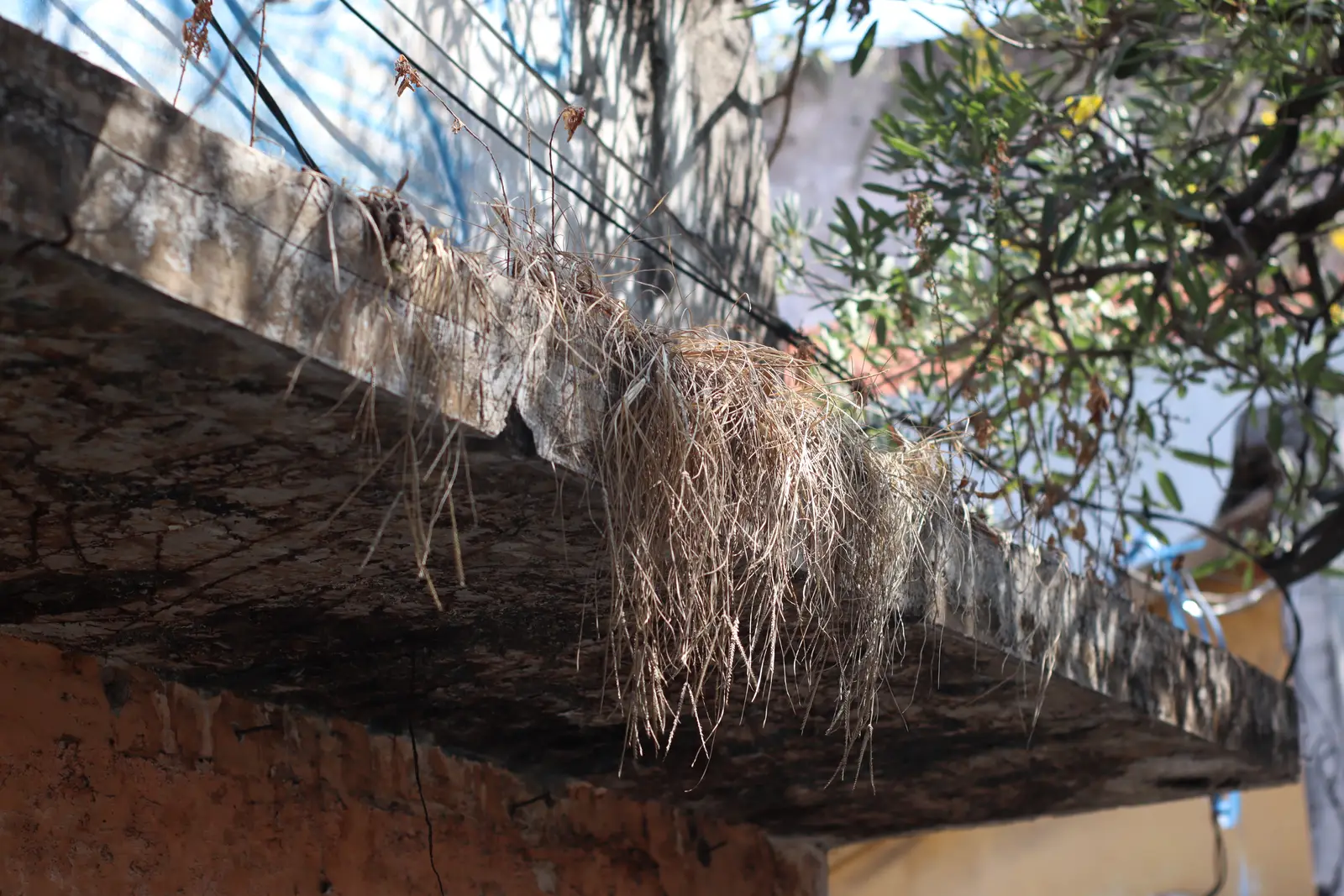
Birds choose nesting spots based on shelter from predators and weather, and proximity to food. On most buildings that narrows down to a predictable list.
- Eaves, roof spaces, and rafters
- Gutters and downspouts
- Light fixtures and signage
- Chimneys and dryer vents
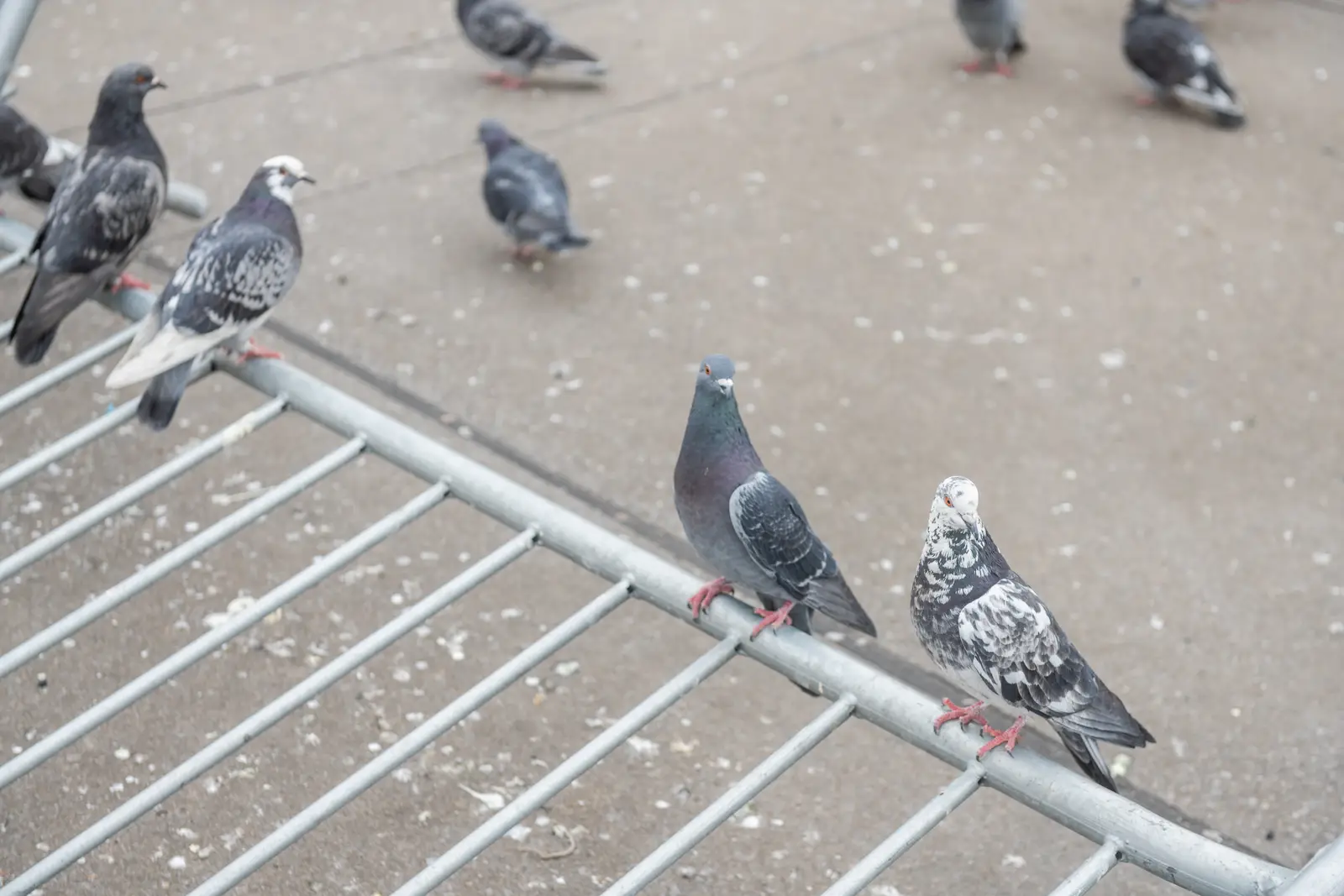
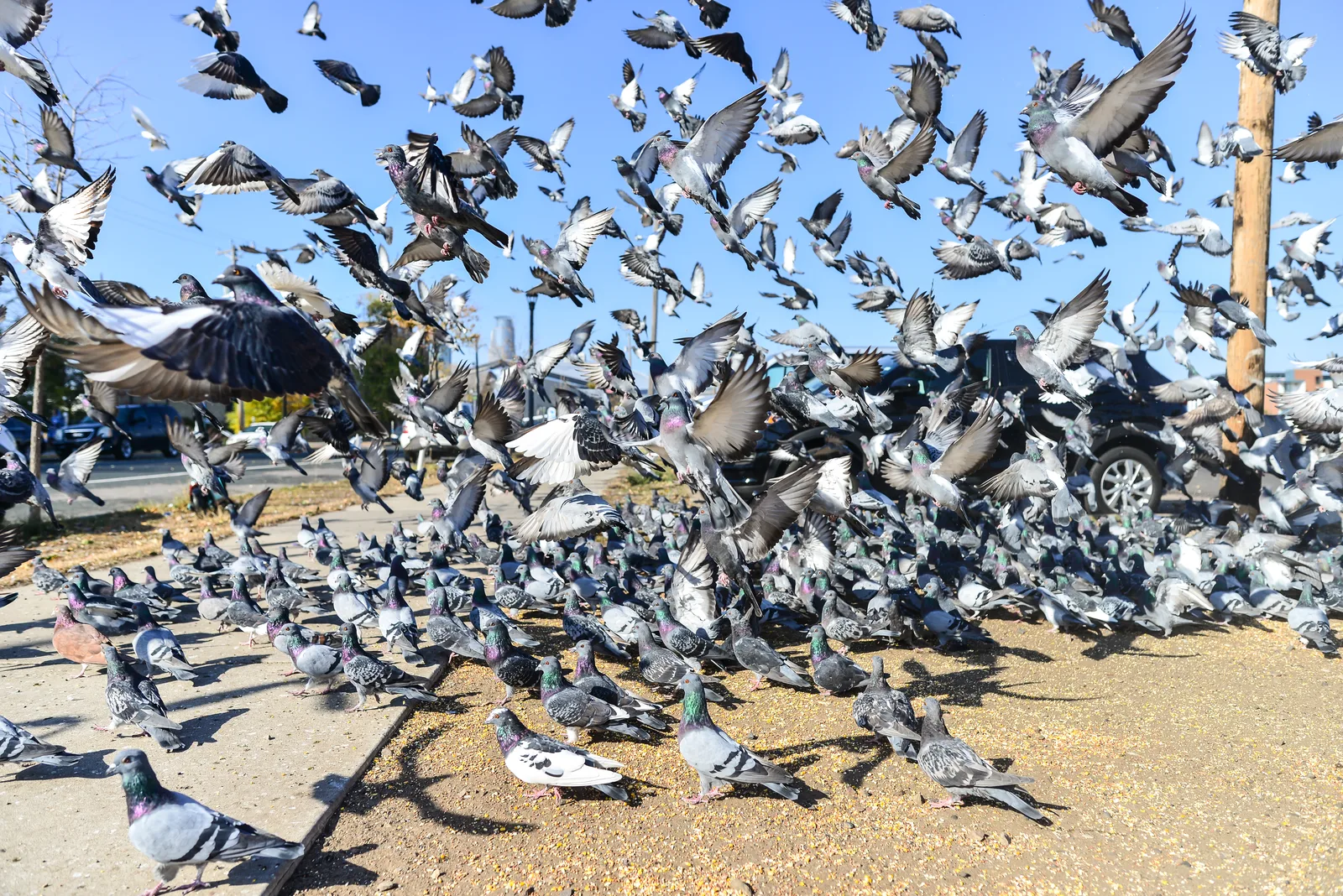
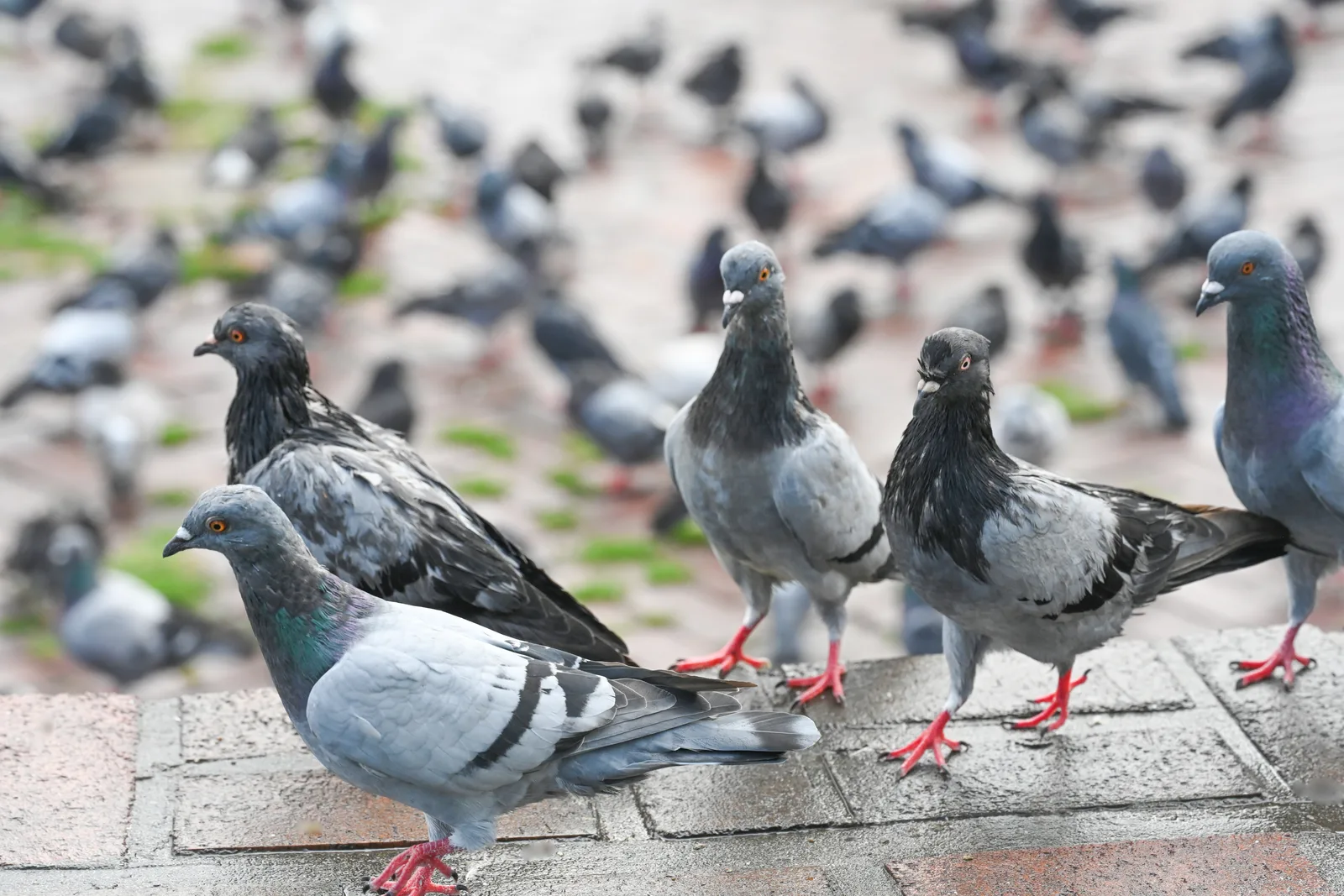
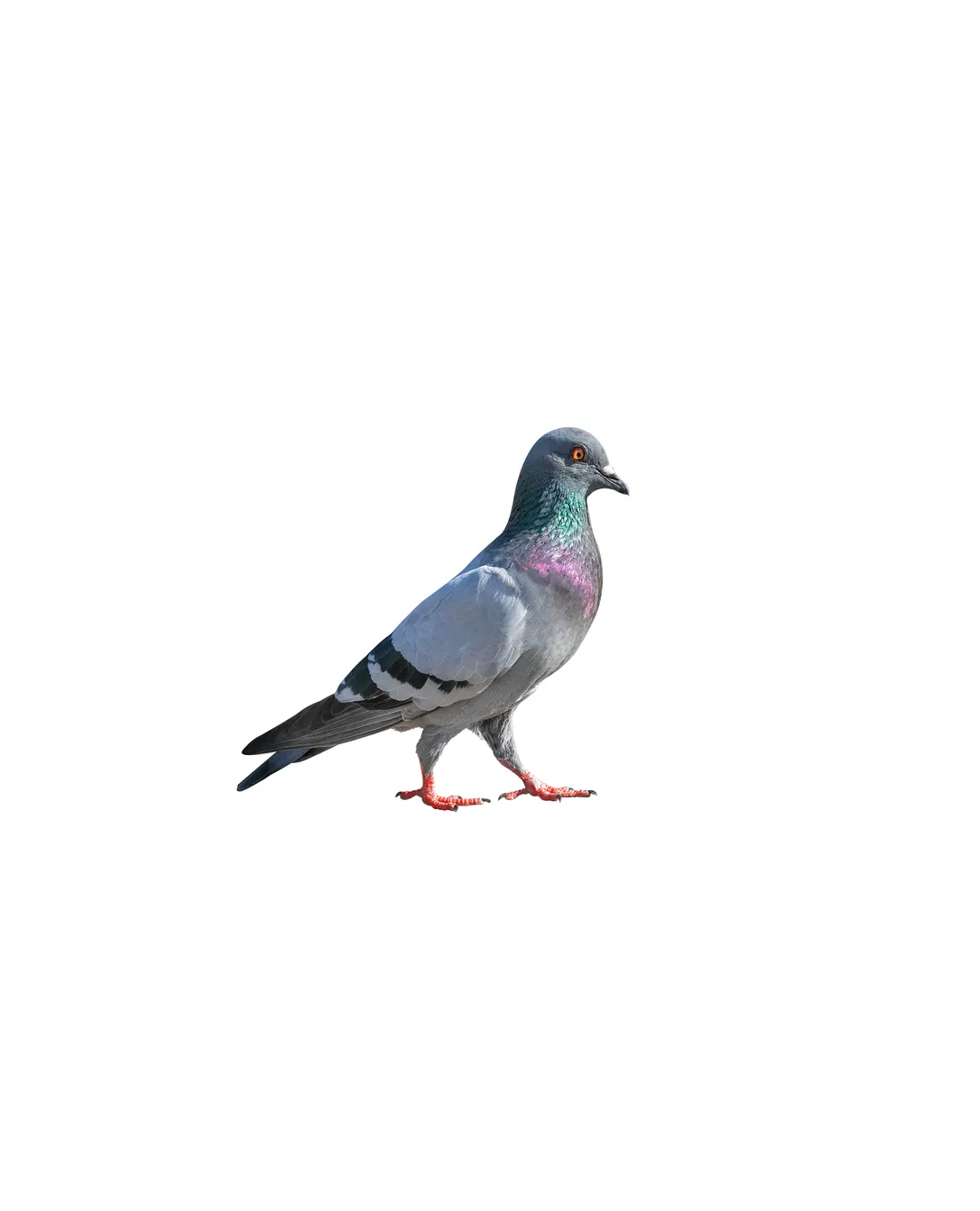
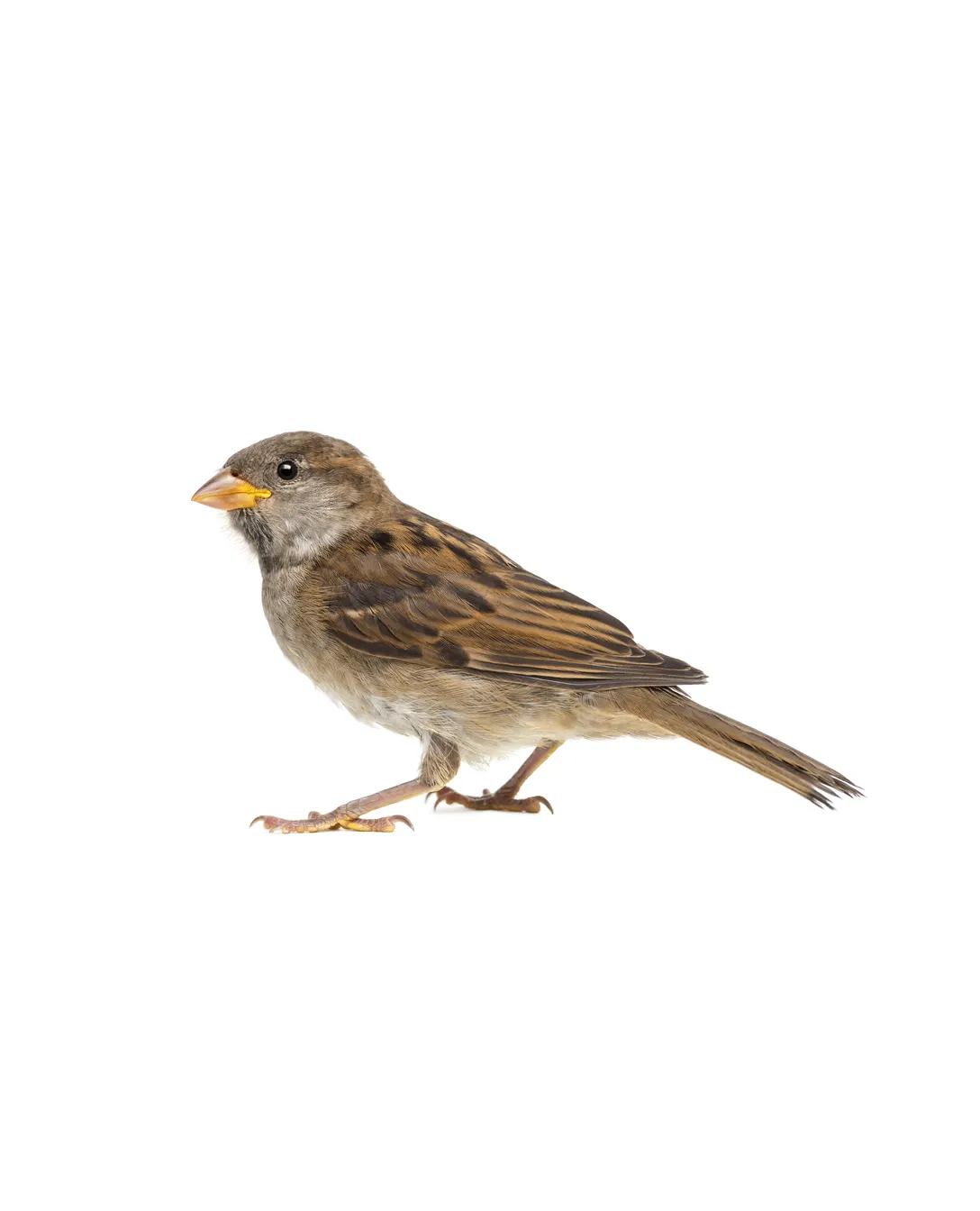
Pigeons and sparrows are the species we see most often nesting directly on buildings, since both are comfortable in tight urban spaces and return to the same spot season after season once it proves safe.
Structural damage
Nesting materials packed into gutters and vents block the water flow those systems are built to handle, and standing water that backs up under roofing can lead to rot and mold inside the structure. Add in the weight of pooled water on a blocked flat roof, and the risk moves from cosmetic to structural. Droppings compound the problem, since their acidity degrades concrete, corrodes metal, and weakens roofing material with prolonged exposure. Blocked chimneys carry their own separate risk, since a nest inside a flue can trap carbon monoxide that would otherwise vent safely outside.
Damage beyond the building
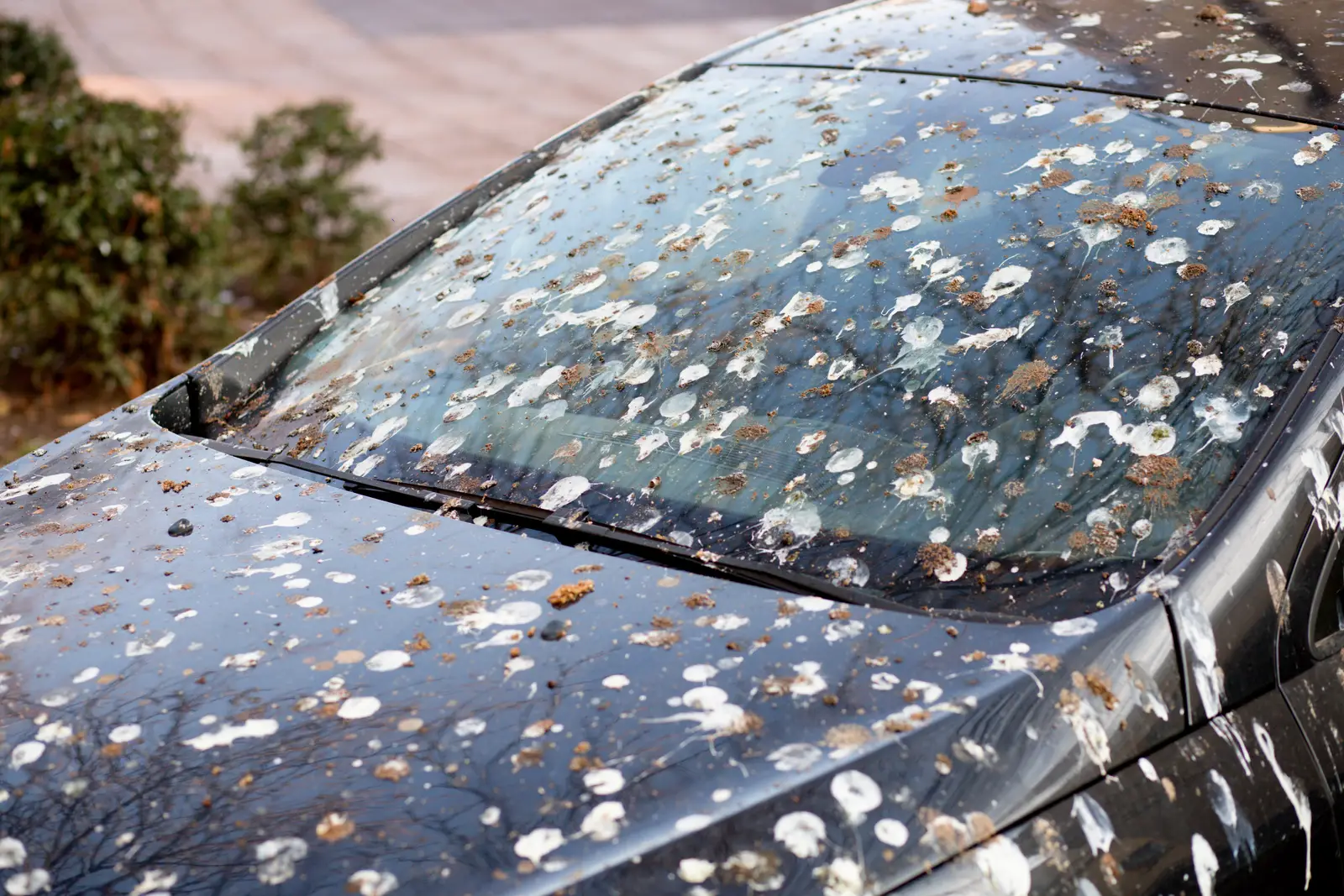
- Vehicles. Droppings are acidic enough to etch into paint over time, and nests built inside carports or garages deposit debris directly onto parked cars.
- Agricultural property. Flocks descending on fields can consume or damage crops, disrupt equipment, and contaminate stored feed with droppings.
Health hazards from nesting birds
Dried droppings can become airborne and carry bacteria that lead to respiratory illness, and nests often harbor mites, fleas, lice, and ticks that spread into the surrounding living space once the birds move on. Ventilation systems blocked by nesting material carry an added risk, since a blocked chimney or vent can trap dangerous gas buildup inside a structure. These are the reasons we always recommend professional assessment before anyone attempts to clear a nest on their own.
How we deter and mitigate the damage
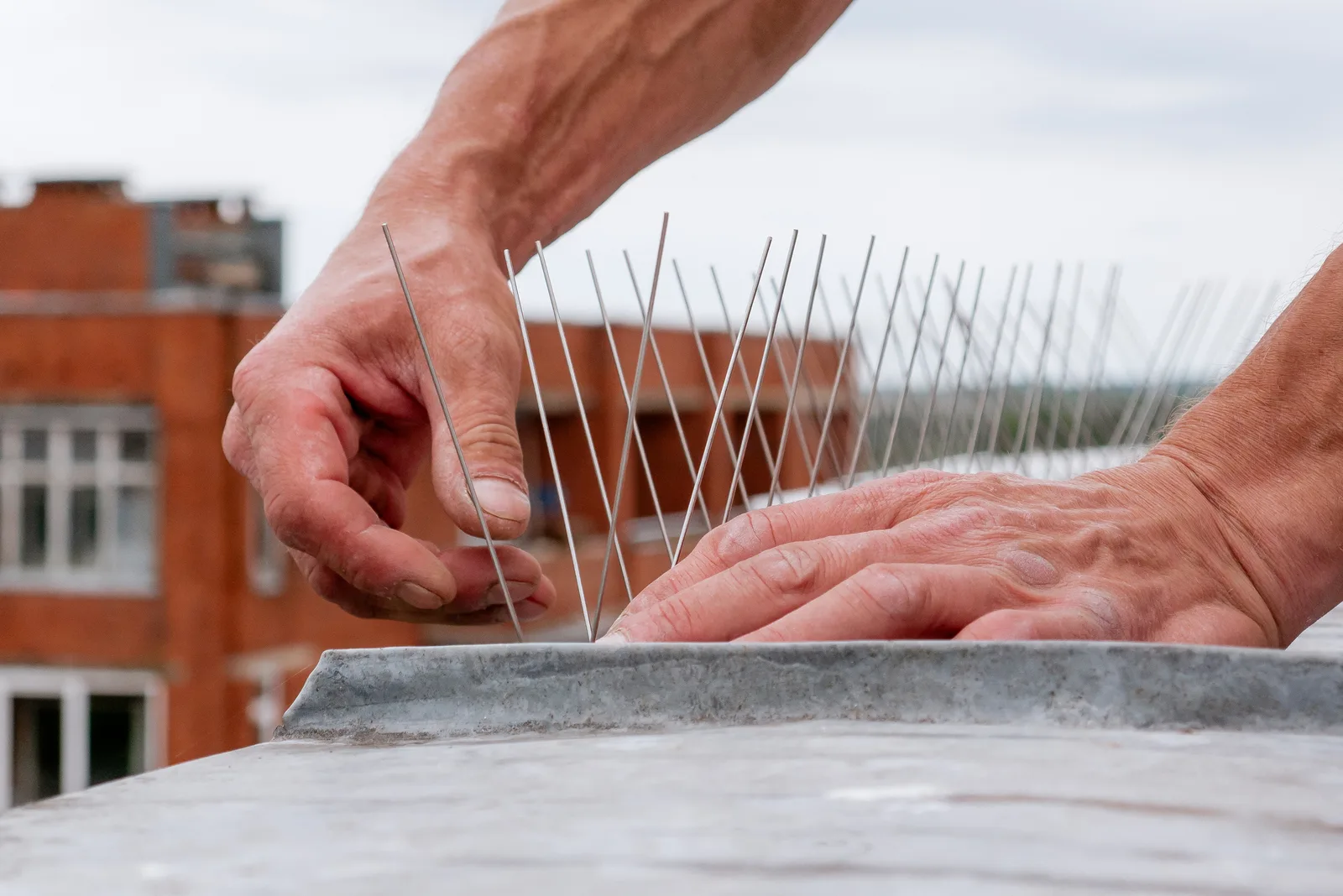
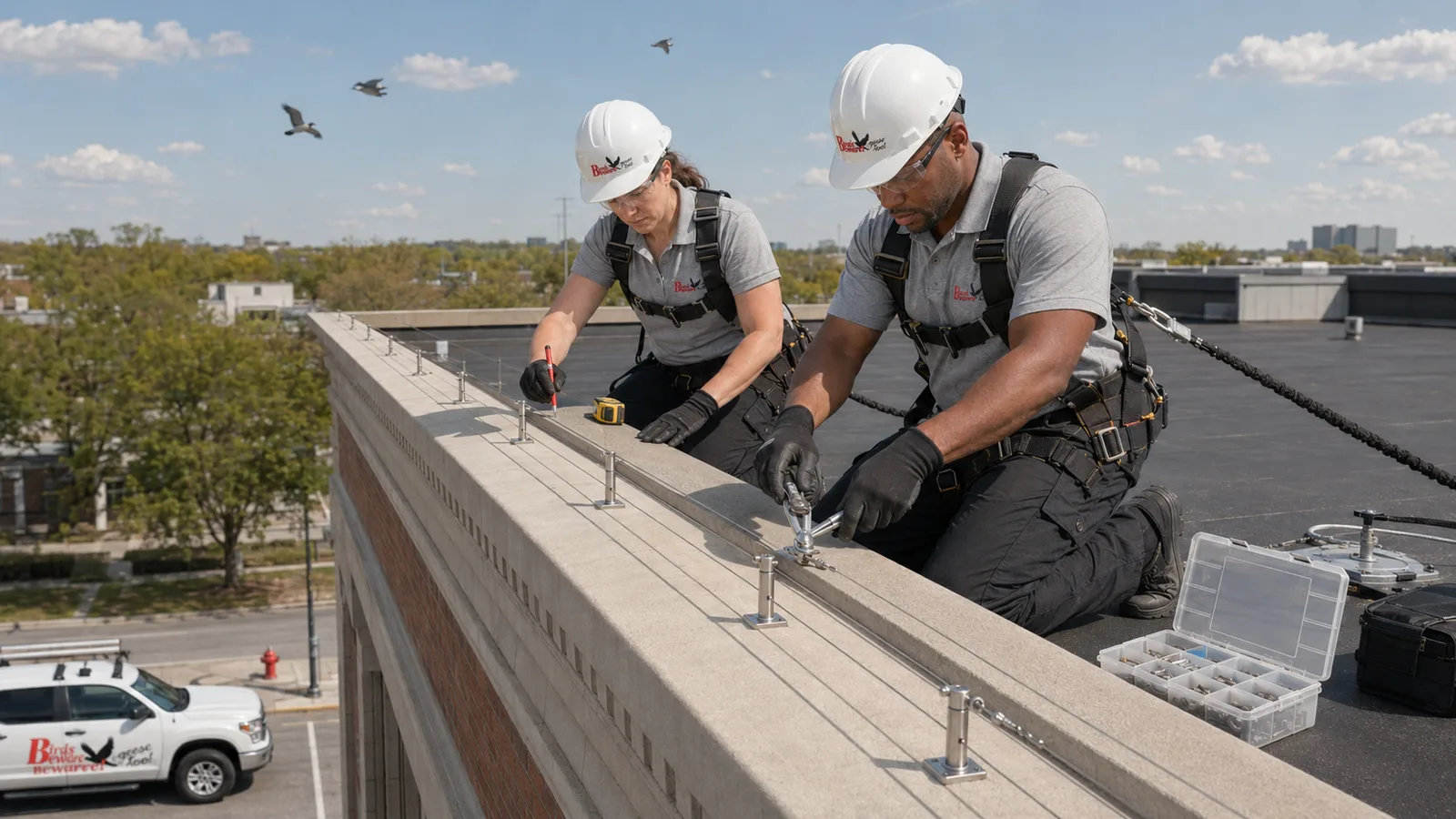
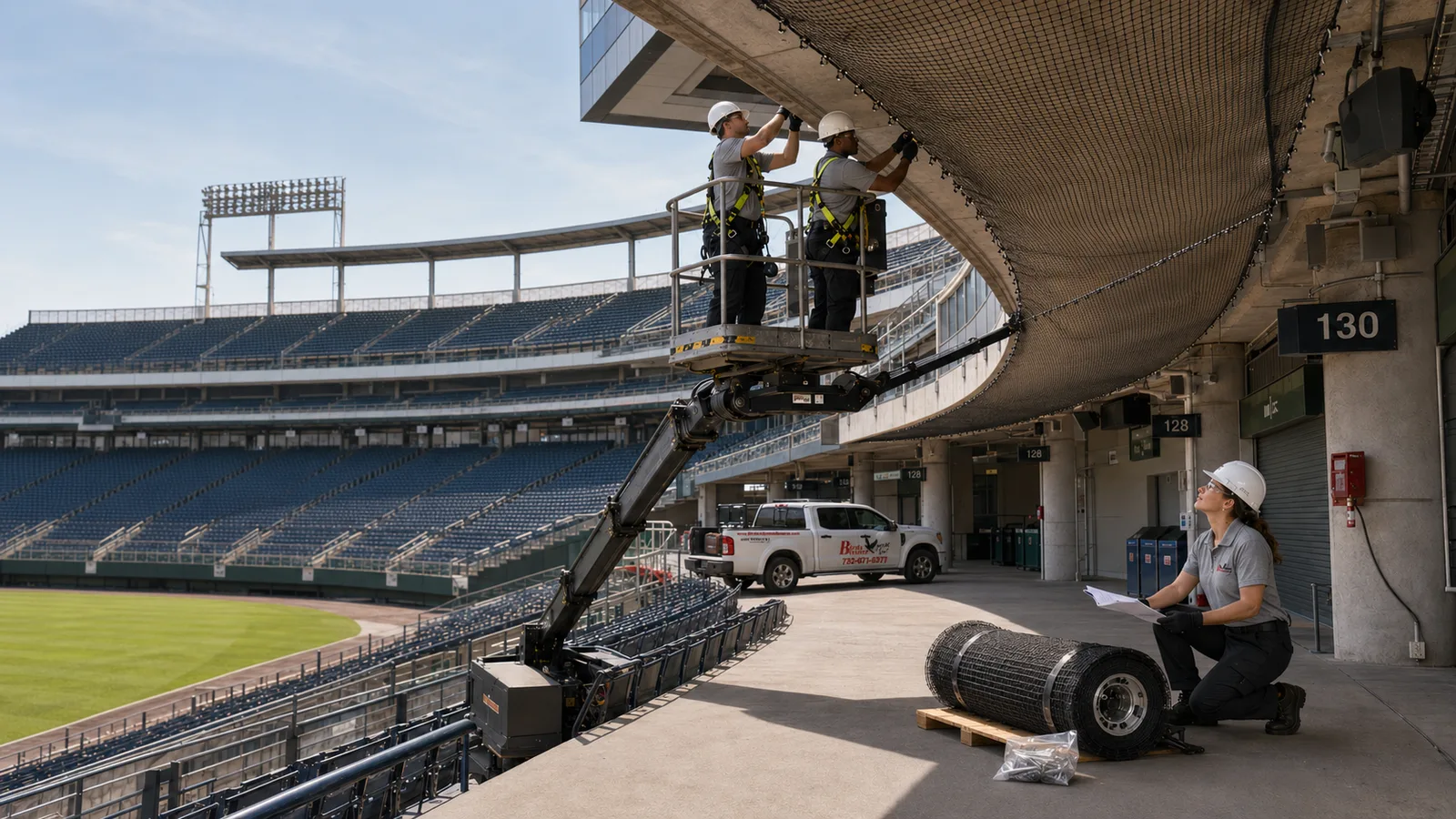
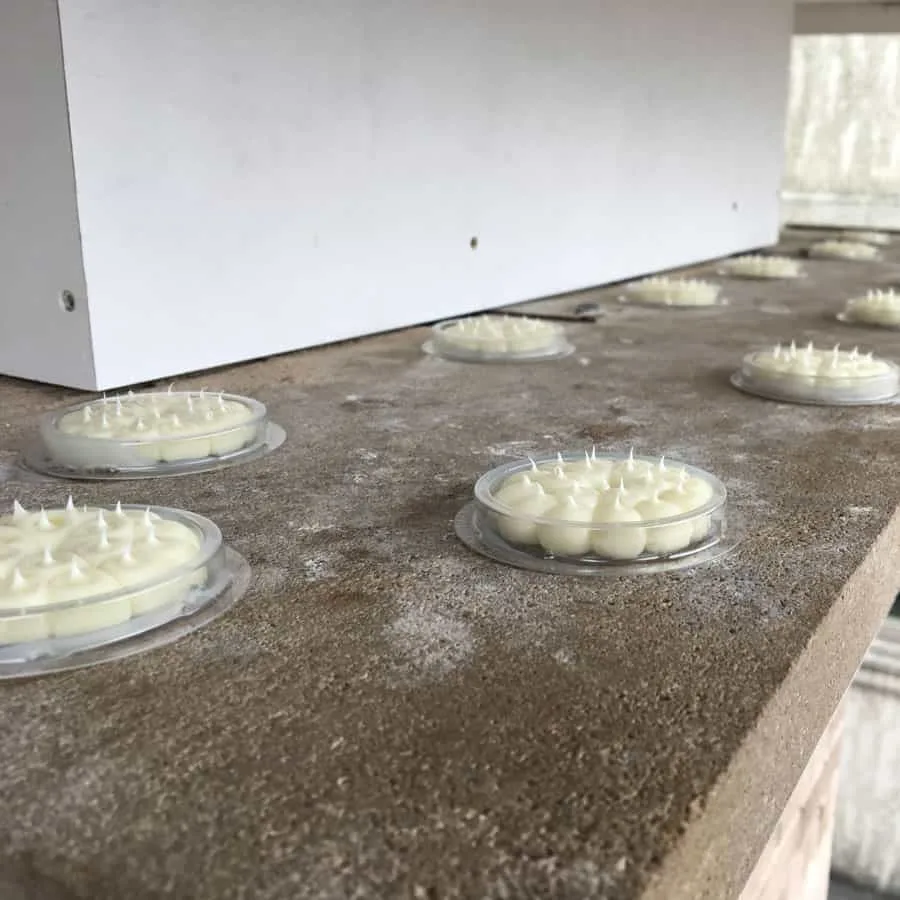
Exclusion is the most reliable way to stop nesting damage before it starts. Spikes on ledges, beams, and other landing spots remove the flat surface birds need to settle, while wire mesh over vents and gaps in eaves closes off the entry points nesting birds rely on.
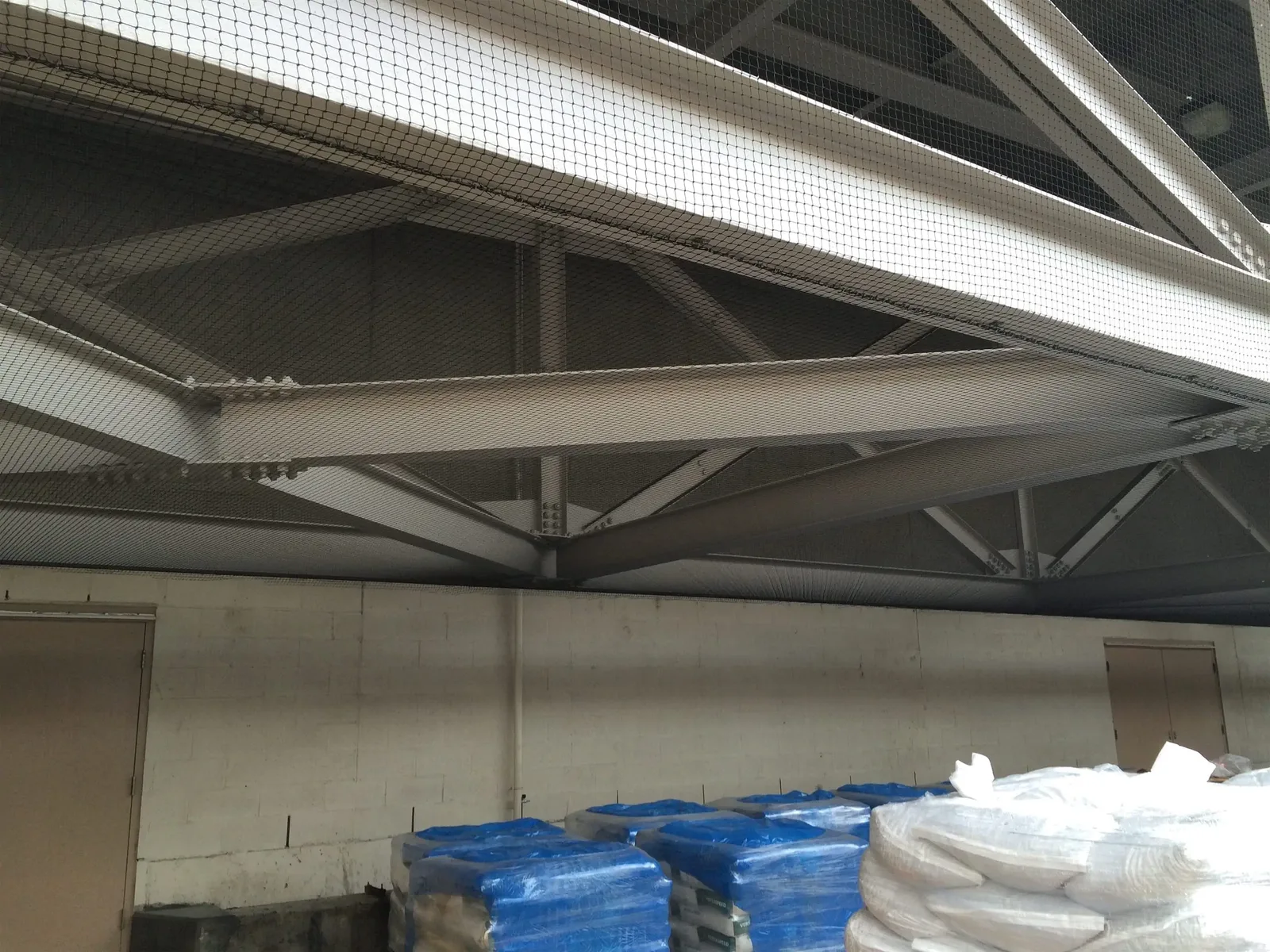
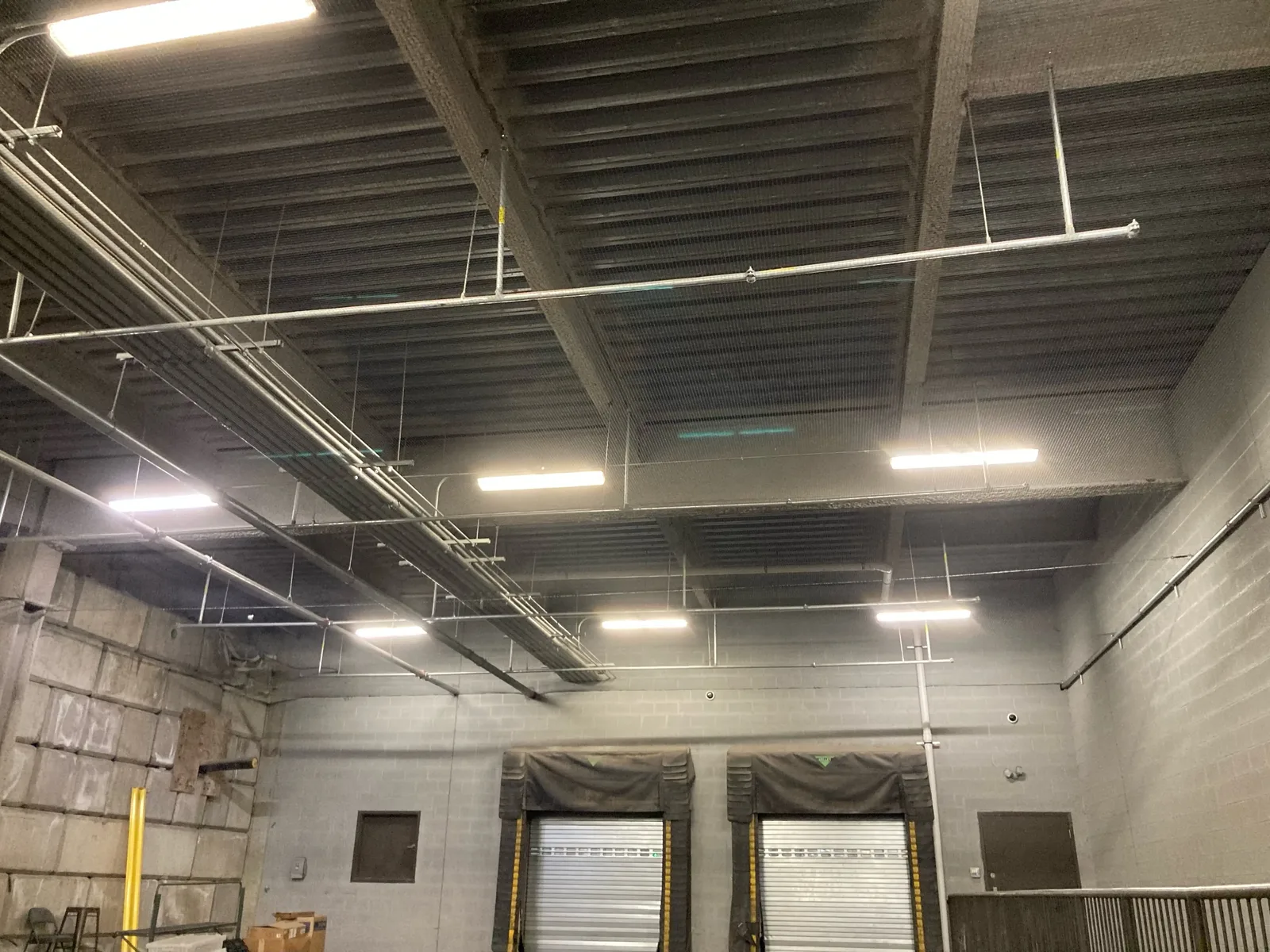
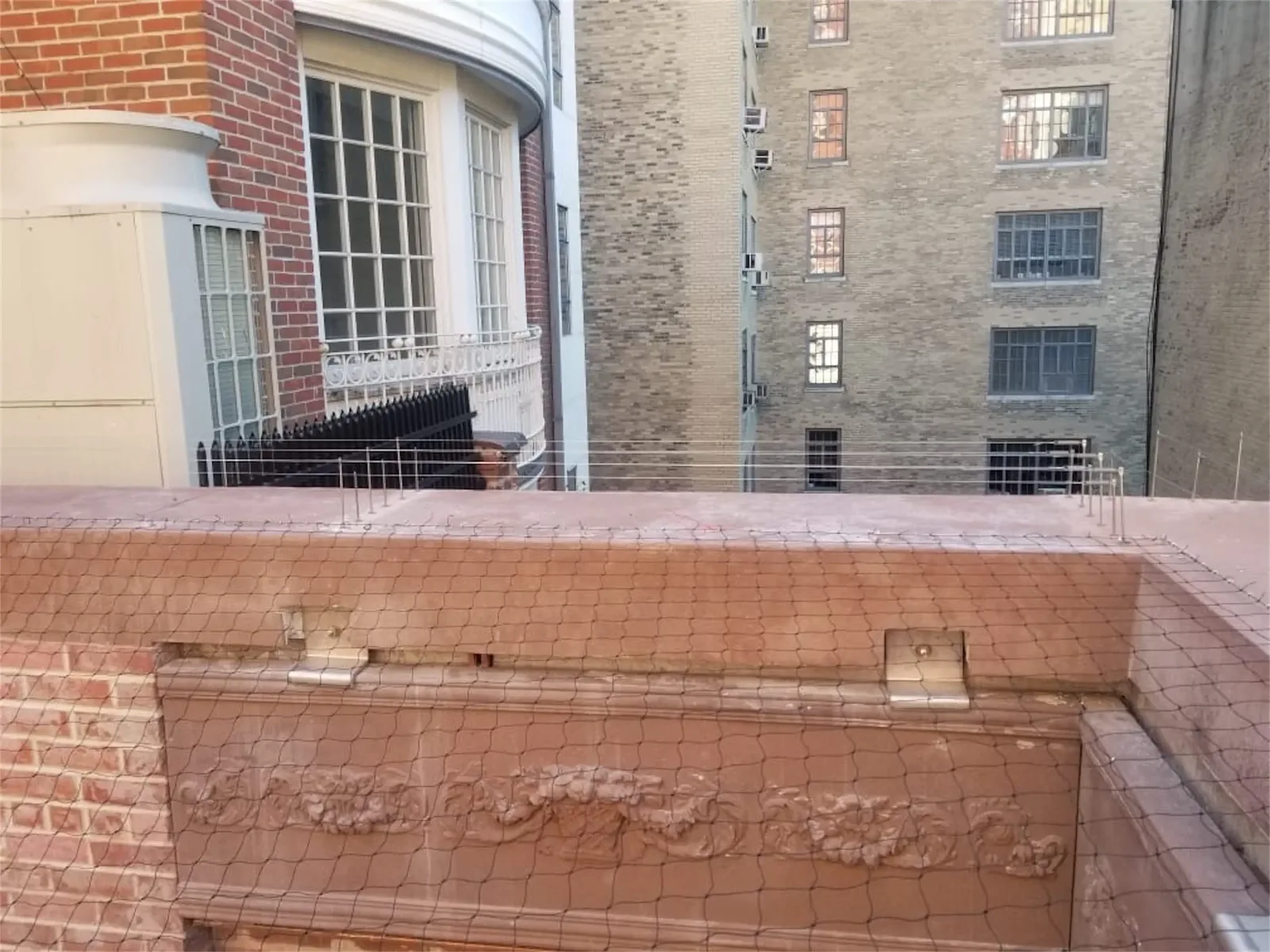
See our full bird deterrents lineup, or read about the species behind most nesting damage on our pigeon control page.
Legal considerations
Most nesting birds are protected under the Migratory Bird Treaty Act, which means an active nest cannot legally be disturbed or destroyed without proper authorization. We build every nesting removal plan around this reality, using humane exclusion methods that keep the property owner compliant while still solving the problem.
Repair and cleanup after nesting damage
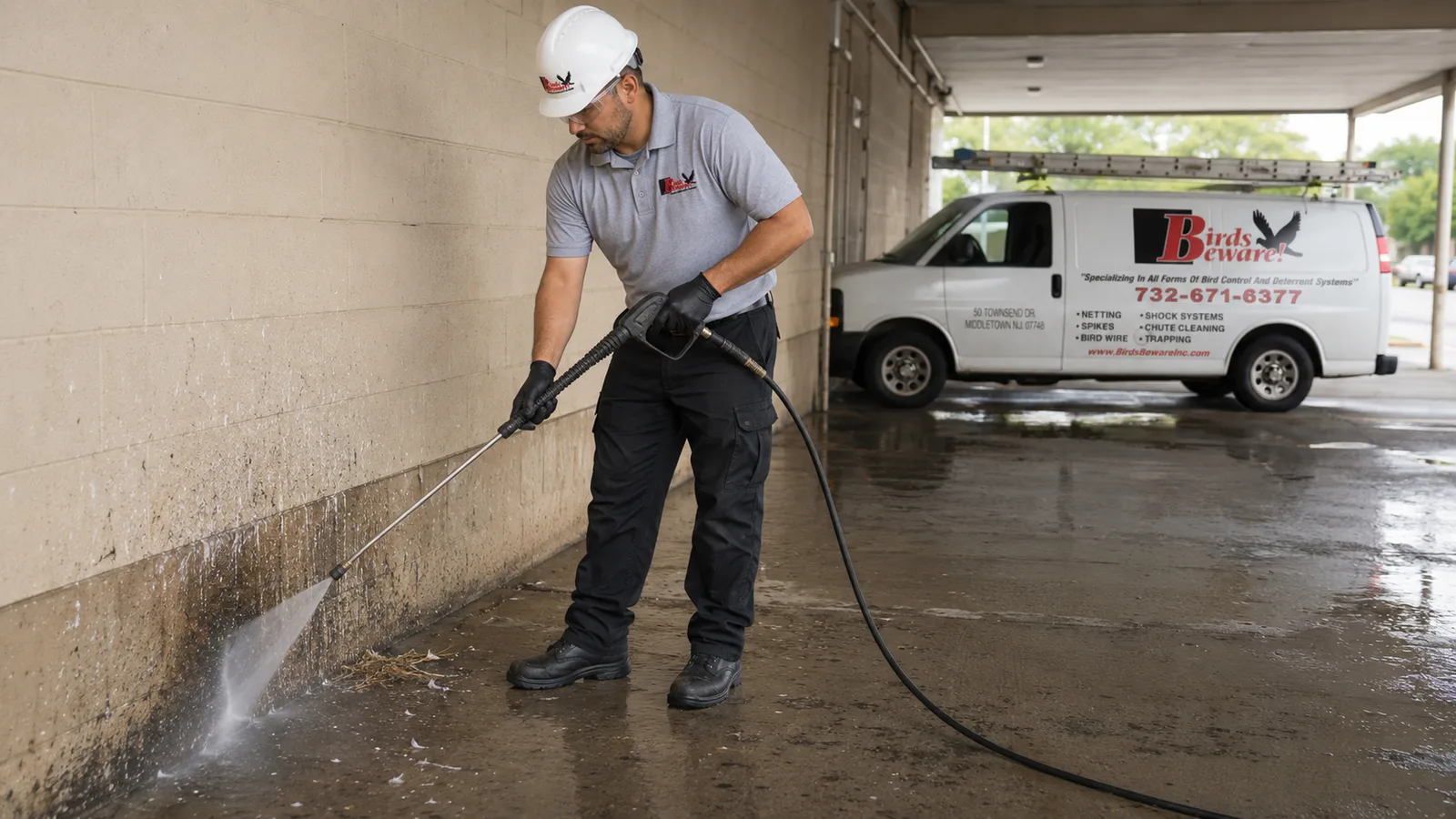
Once nesting materials are removed, our teams disinfect the affected area to clear any remaining health hazard, then move into repair. That can mean replacing damaged sheet metal, patching punctured siding, or matching paint to restore the look of the property. From there, we install the deterrent appropriate to the site so the same spot does not attract another nest the following season. For a broader look at how a bird problem develops before it reaches this point, see our guide on signs of a bird flock infestation, or read how we remove nuisance birds for the full removal process.
Questions we get about property damage from nesting birds
Don't see your question? Call the owner directly — we're glad to talk through your property.
Call us(732) 558-2464Bird Control, Species & Deterrents


Customers We Serve
Site Resources for You
Guides, answers, and company pages — everything else you might need.
Bird Resources
Canada Geese Resources
- Resources for Canada GeeseThe geese knowledge hub.
- Hazing TechniquesHow humane hazing actually works.
- Canada Goose BiologyWhy geese behave the way they do.
- Control MethodsEvery method, and when each applies.
- Geese FAQsCommon questions, straight answers.
- Signs of a Geese InvasionEarly warnings a flock is settling in.
- Geese & Human Health MythsWhat's real and what's exaggerated.
- Property Damage from GeeseTurf, water, and walkway damage explained.
Get in Touch
Choose how to reach us and tell us about your bird or Canada geese problem.