


Finch Control & Deterrent Services
Finch Control & Deterrent Services from Birds & Geese Beware. Practical bird control planning, FAQs, and service guidance across NJ, NYC, NY, and CT.












Finches slip into vents, signage gaps, and light fixtures that look too small to matter, until a nest blocks the airflow or wiring behind it.
Small-Gap Inspection
We check vents, signage, and fixtures for the tight openings finches use to get inside.
Hard Exclusion Fit
Small mesh and rigid barriers seal gaps too narrow for netting or spikes to address alone.
Electrical & HVAC Protection
Nesting material cleared from fixtures and vents reduces fire and airflow risks tied to buildup.
Discreet Repairs
Exclusion materials are fitted to blend with signage and trim rather than stand out.
Commercial finch control across NJ, NY & CT
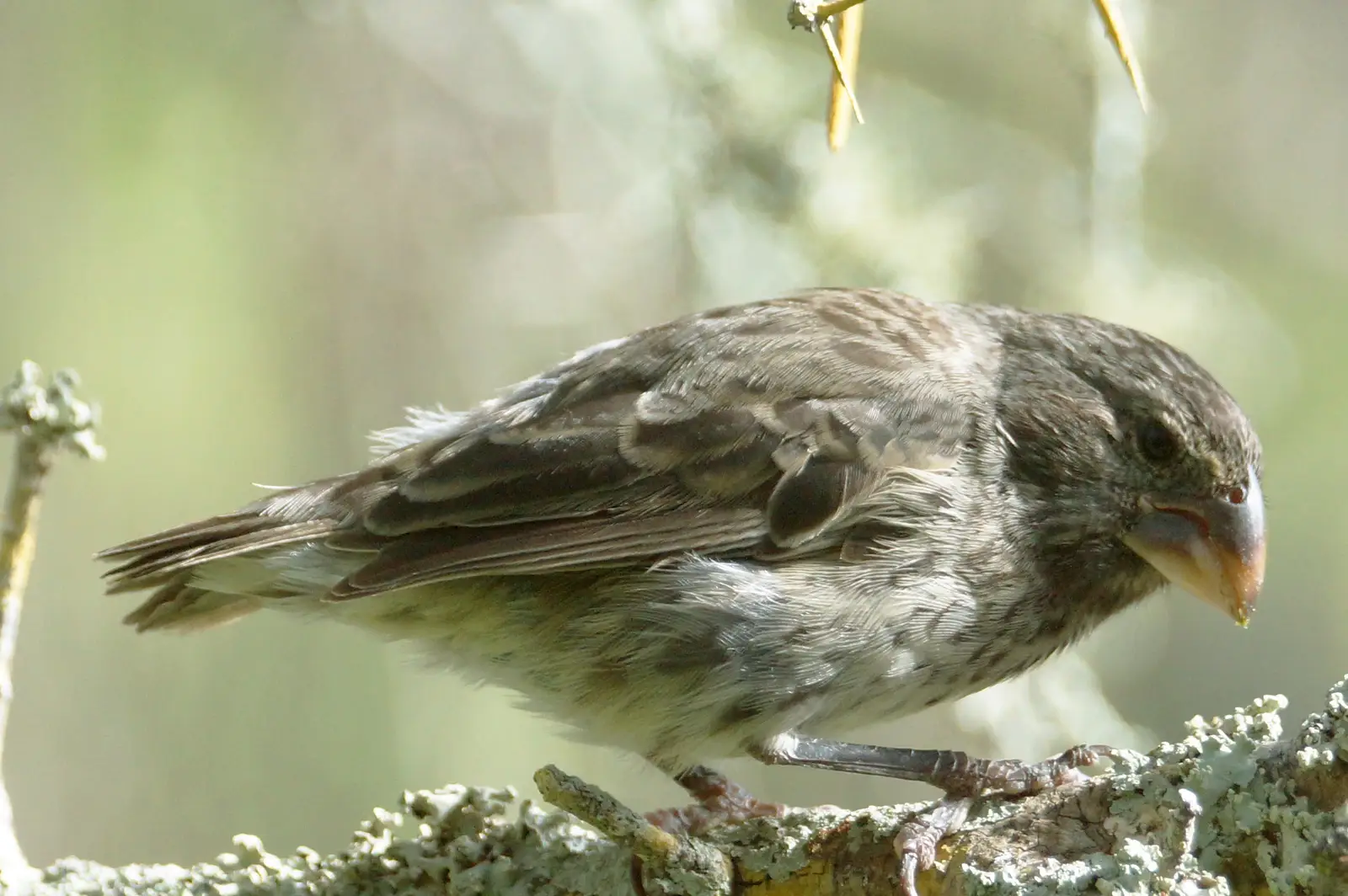
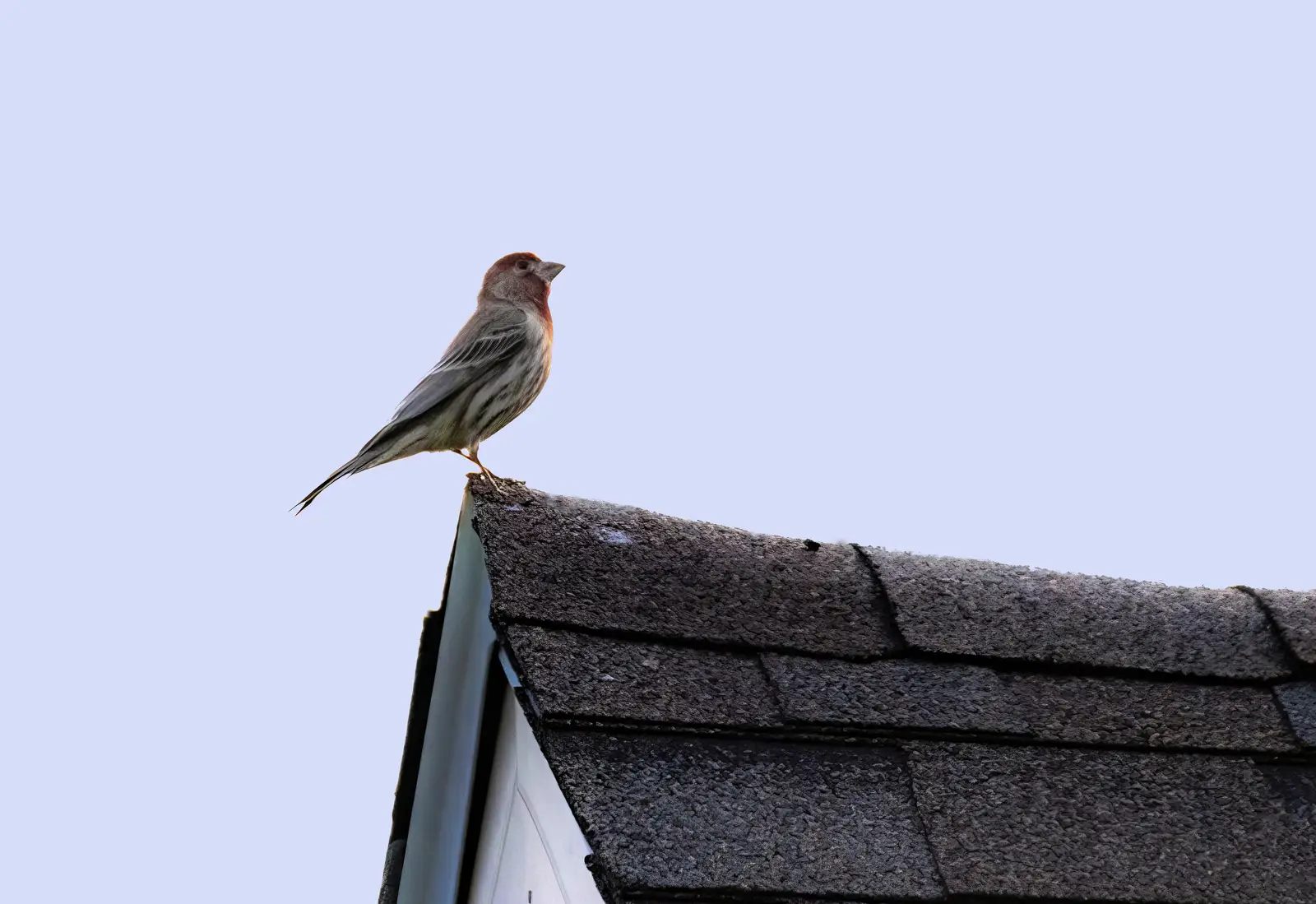
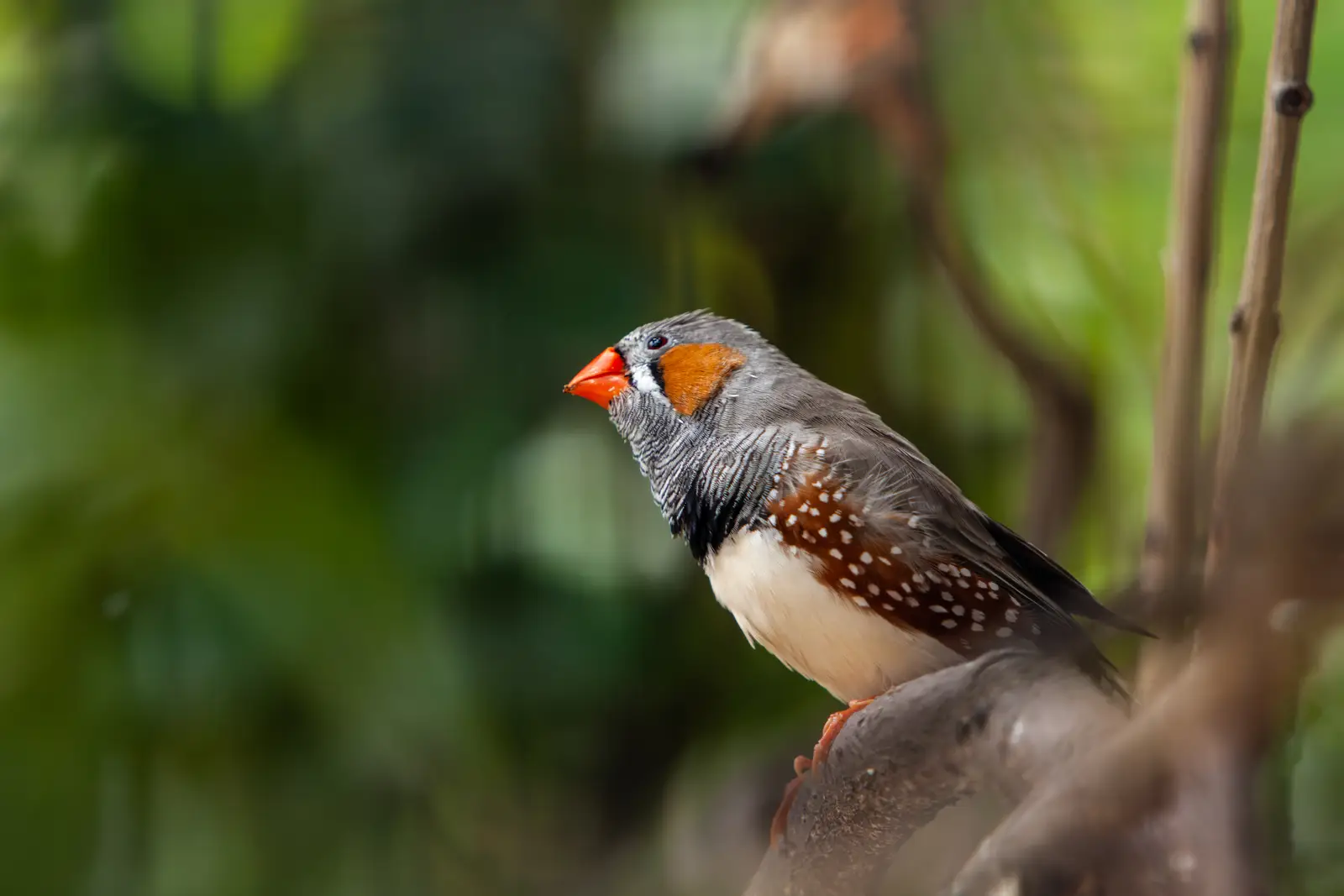
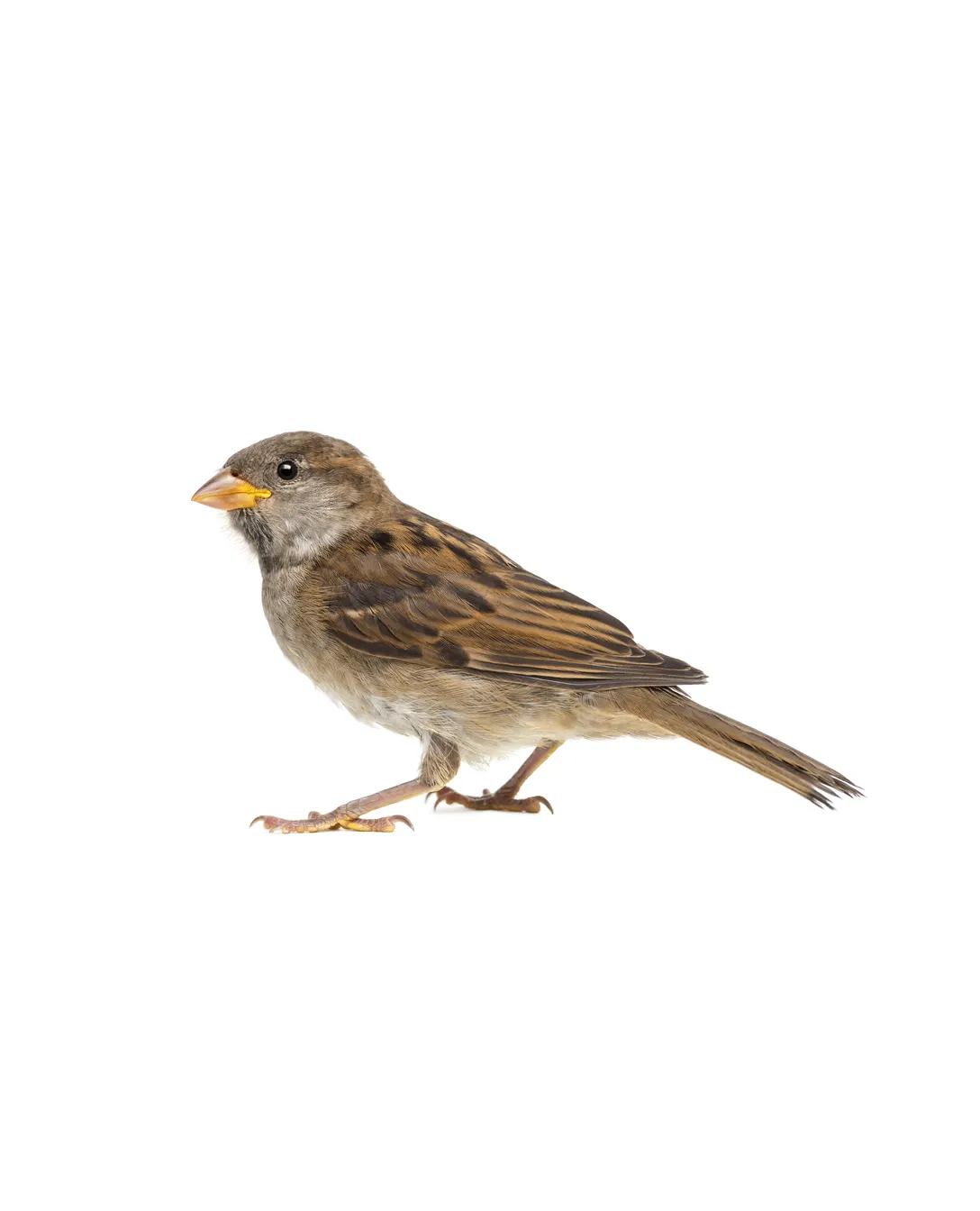
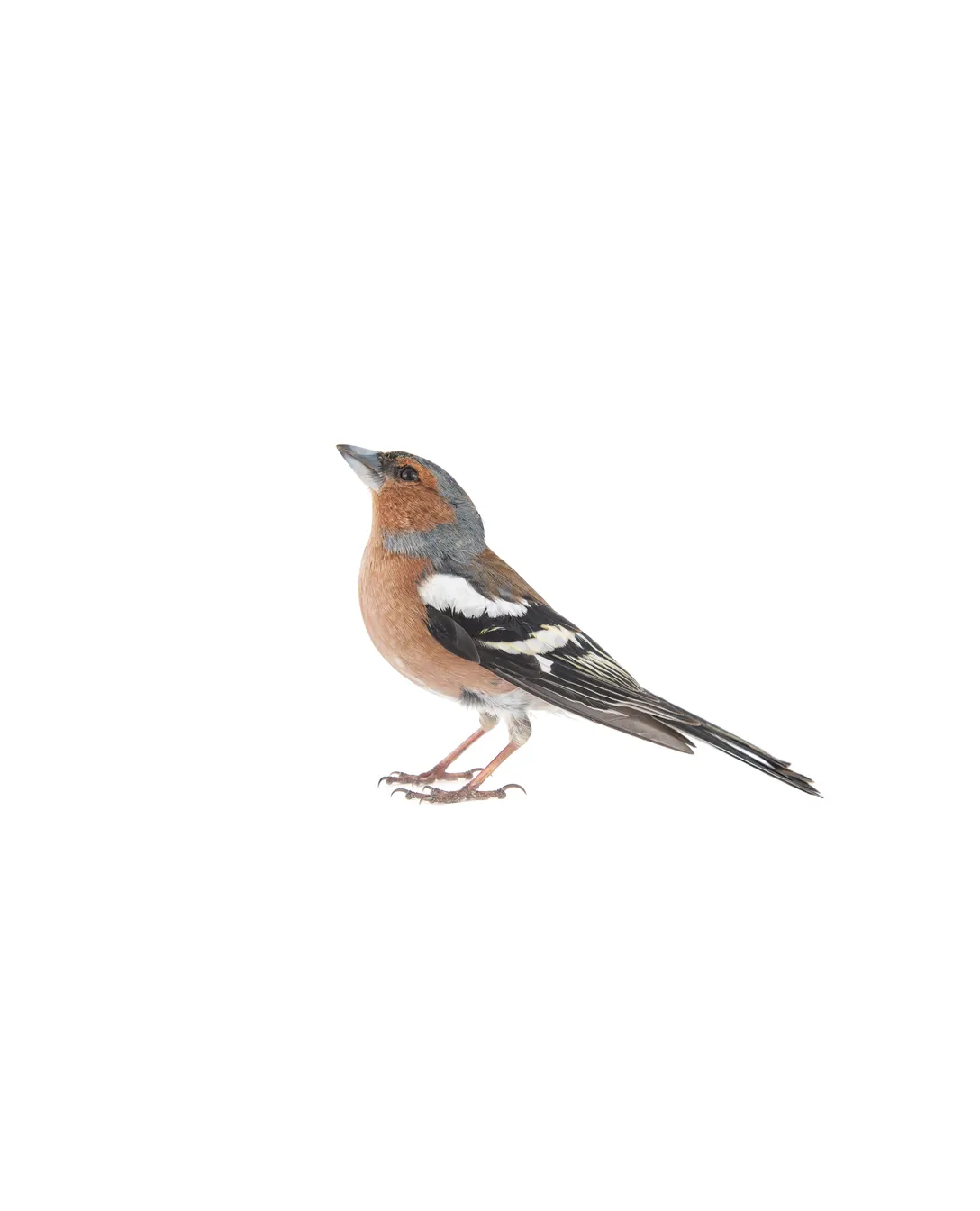
House finches are small, but they nest in volume. A pair will tuck a nest into almost any sheltered gap, from a sign box to a light fixture, and a single property can end up hosting dozens of nests across a season. What looks like a minor songbird issue quickly turns into constant cleanup and repeat calls from tenants.
Birds & Geese Beware, Inc. has managed finch pressure on commercial, municipal, and residential properties across New Jersey, New York, and Connecticut since 1991. We close off the specific gaps and ledges finches are using, sized to the site, humanely and by the book.
Where finches nest, and why they come back
Finches look for small, sheltered cavities and ledges close to a food source, often near landscaping, feeders, or spilled seed. They are less picky about the exact spot than pigeons or doves, which is part of what makes them harder to fully clear.
- Signage, light fixtures, and wall-mounted equipment
- Vents, gutters, and small structural gaps
- Hanging planters, wreaths, and building trim
- Covered entryways and awnings near landscaping
Because a finch flock will keep working the same building for as long as gaps and ledges stay open, one-off nest removal rarely holds. Closing the access points is what actually ends the cycle.
How we keep finches off, compared
Finch problems respond best to small-scale exclusion combined with sealing the gaps they use to get in. The right method depends on the surface and how many spots are in play. Here is how the options we install compare.
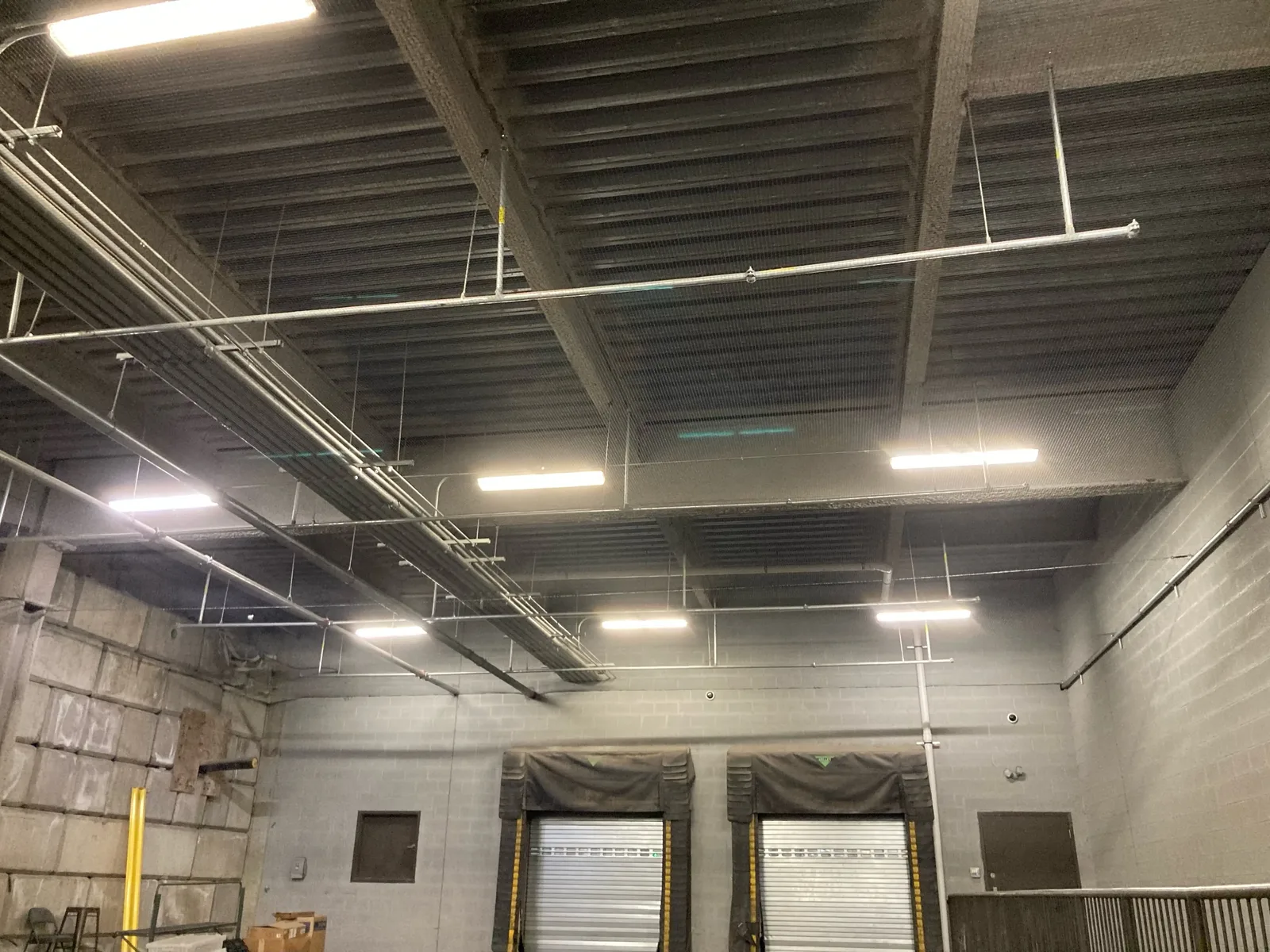

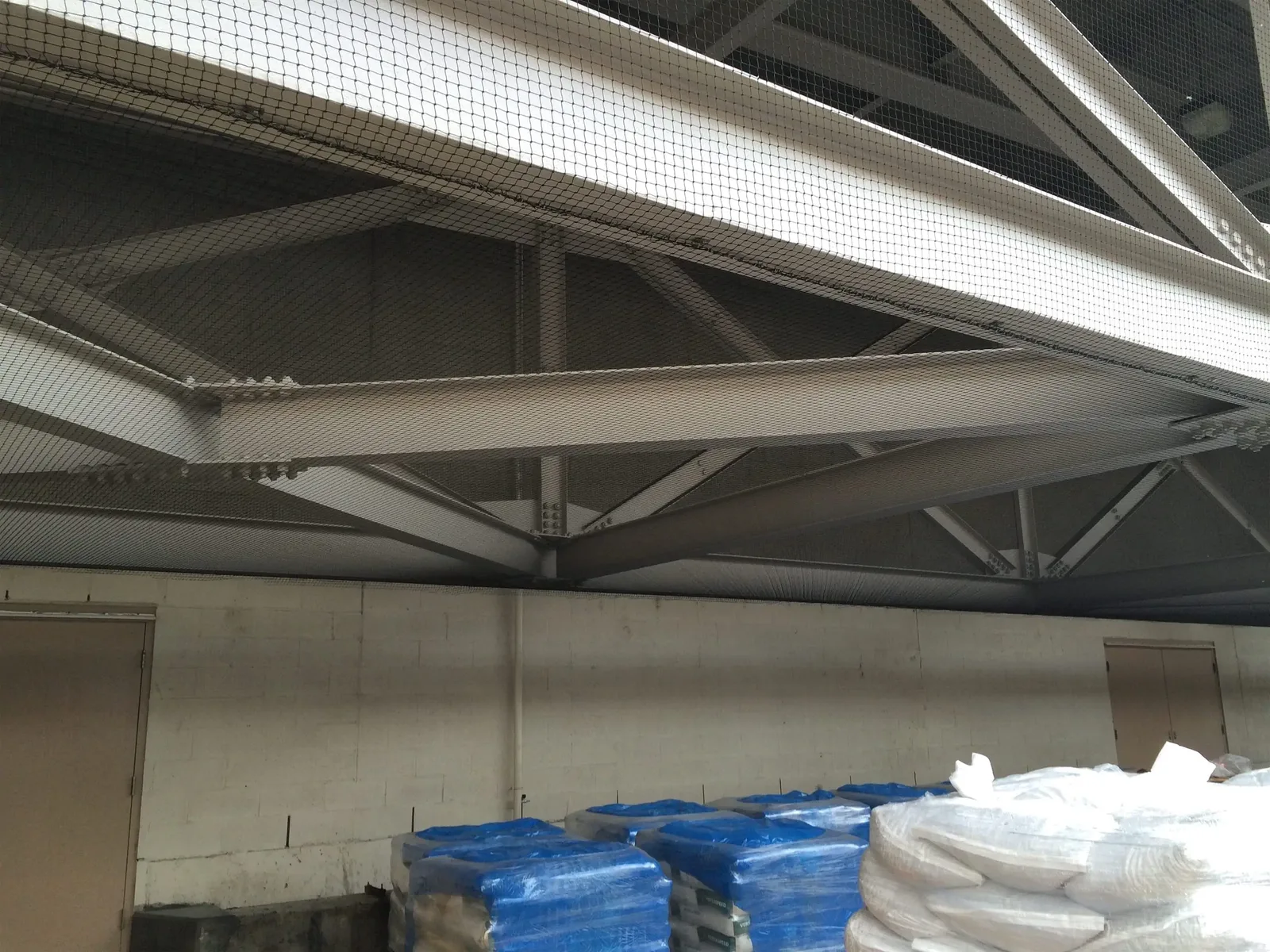
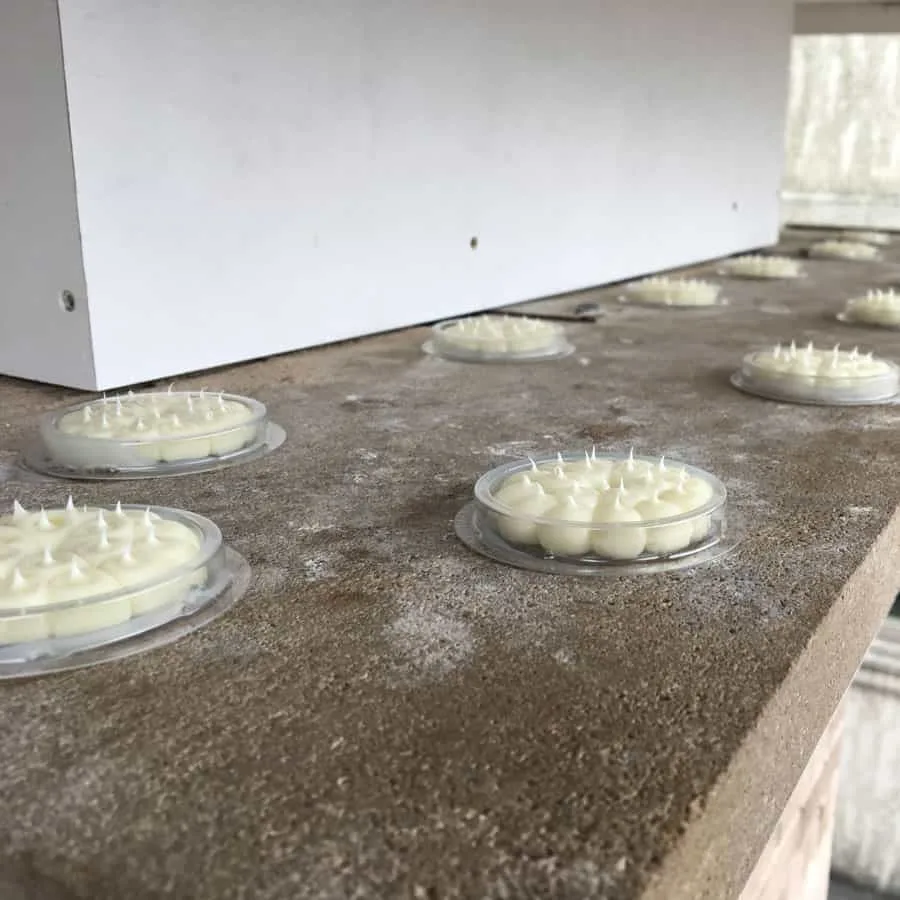
On sites with several nesting spots we typically combine exclusion with spikes or Optical Gel, since finches will simply move to the next open gap otherwise.
See your finch deterrent options
Every property is different, so we match the deterrent to the gaps, ledges, and fixtures involved.
The case for acting early
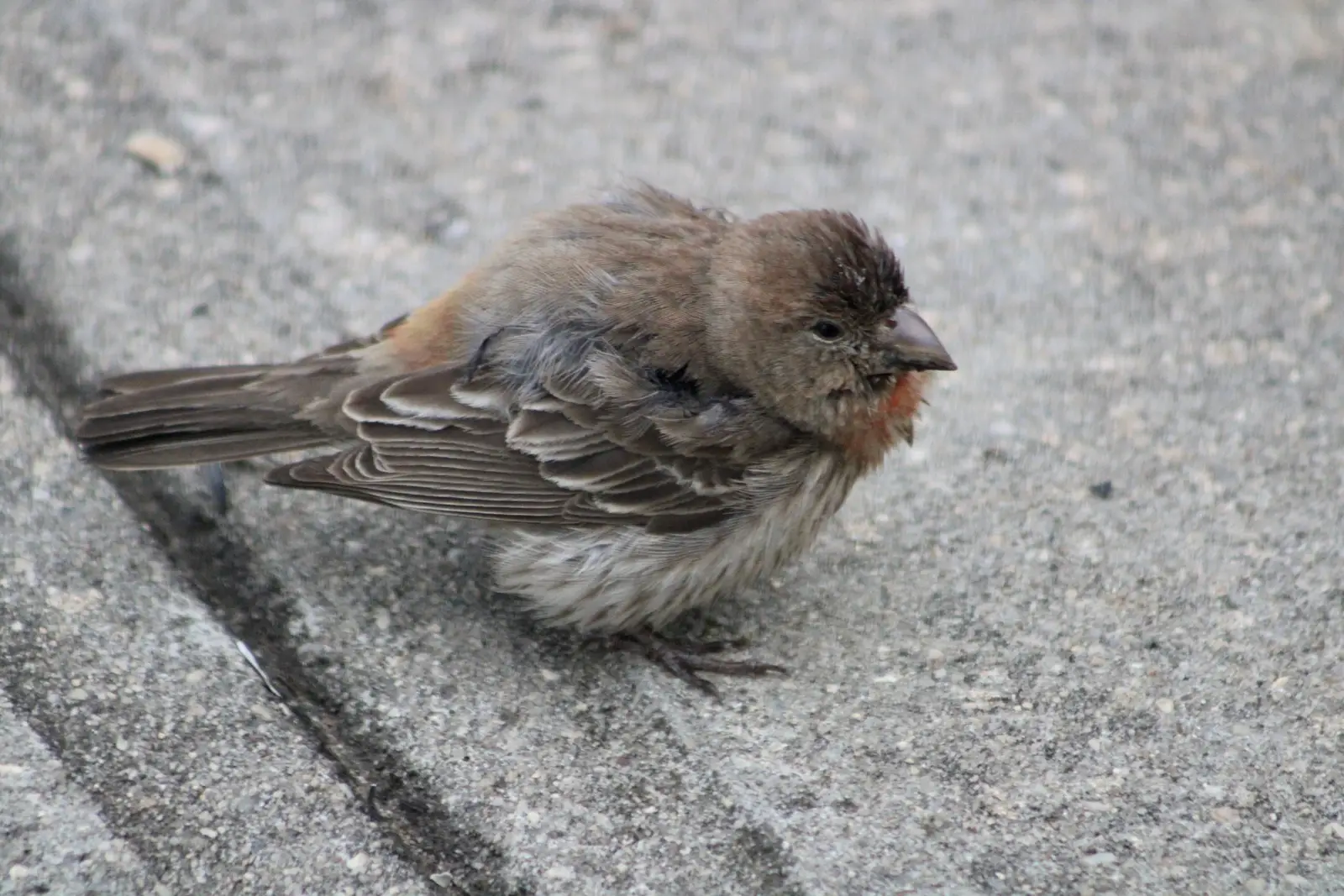
Finch nests are small, but they add up fast in vents, light fixtures, and signage, where debris can interfere with equipment and create a fire or moisture risk over time. Droppings around entryways and outdoor seating areas are also a recurring complaint for retail and hospitality tenants. The earlier the access points are closed, the fewer nests there are to clean out later.
How a finch control job runs
Every job follows the same disciplined sequence, whether it's a single sign box or a full property.
- Site survey. We map every gap, ledge, and fixture under pressure. The survey decides the plan, not a product catalog.
- Matched install. Trained crews seal gaps and fit spikes or netting cleanly and to spec.
- Cleanup & sanitize. We clear nests and debris, then disinfect the surface.
- Follow-up. We check back through nesting season so the fix keeps holding.
Humane, permitted, and proven
Finches are protected under federal and state migratory bird law, so every method we install is non-lethal exclusion and deterrence. We close off the gap or ledge without harming the birds, which is the standard commercial and municipal clients expect, and the one we have held for more than thirty years.
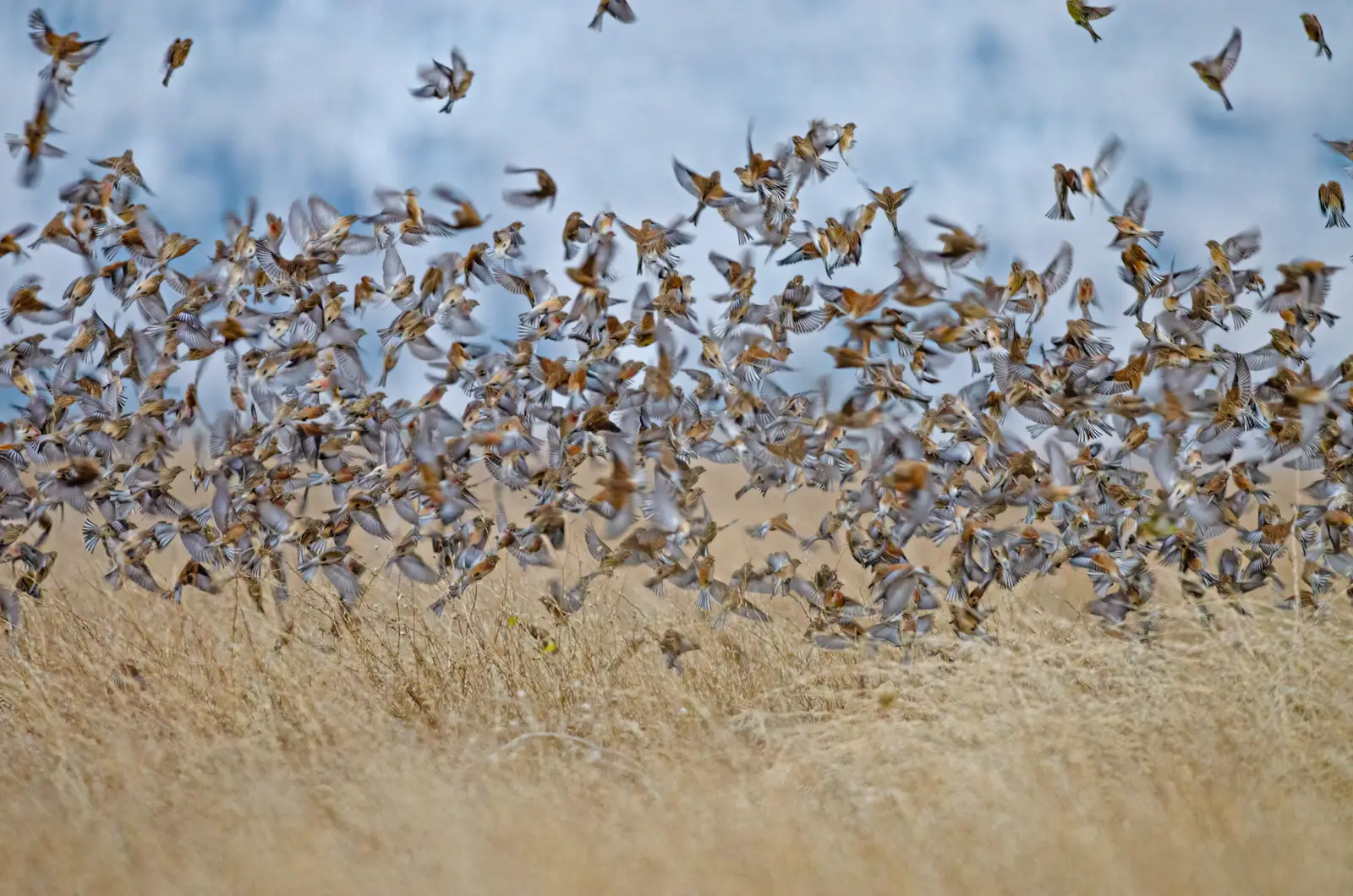
Finch control for every kind of property
We provide finch control for a wide range of commercial, municipal, and residential customers across New Jersey, New York, and Connecticut.
Our process for Finch Control & Deterrent Services.
Species Identification
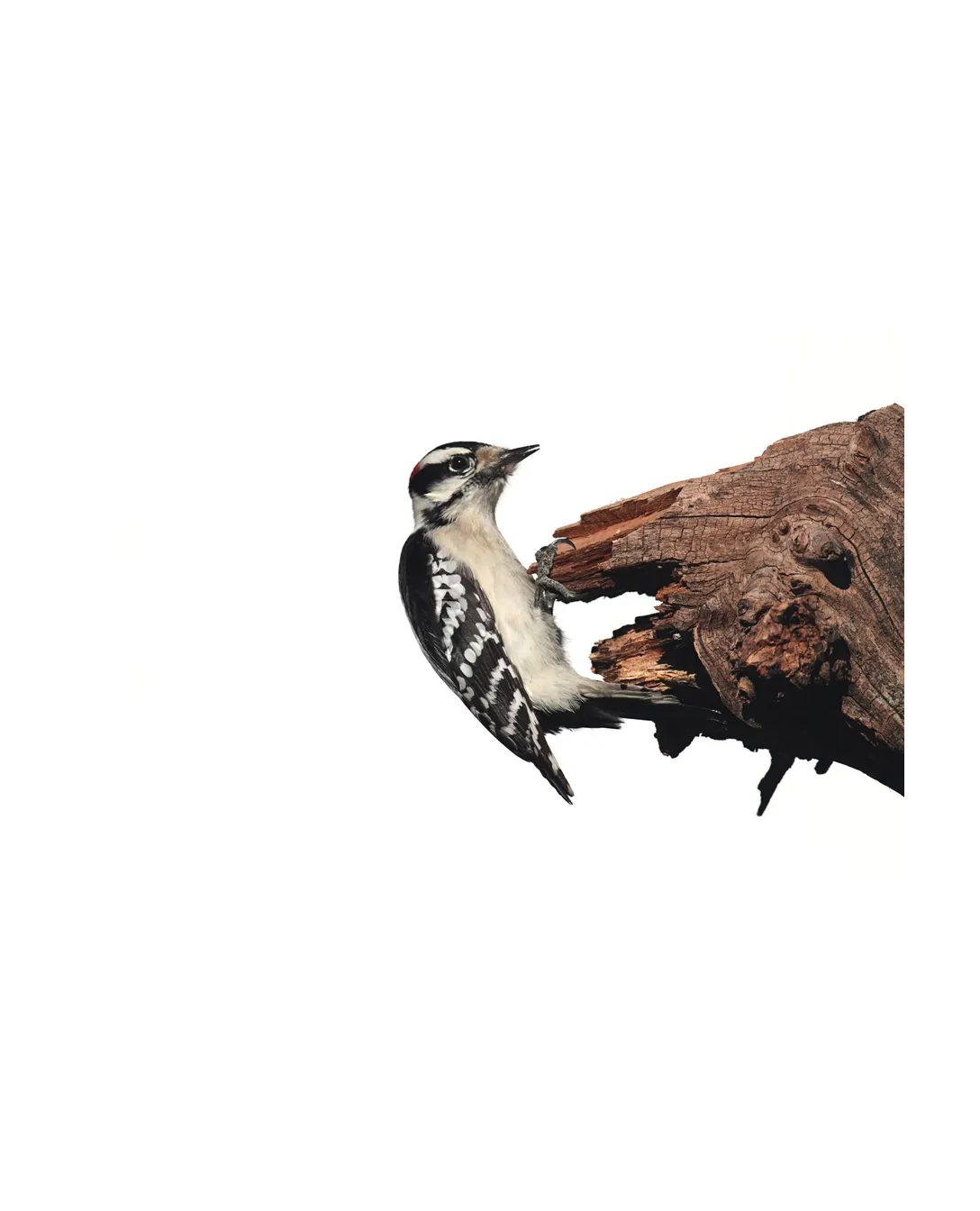
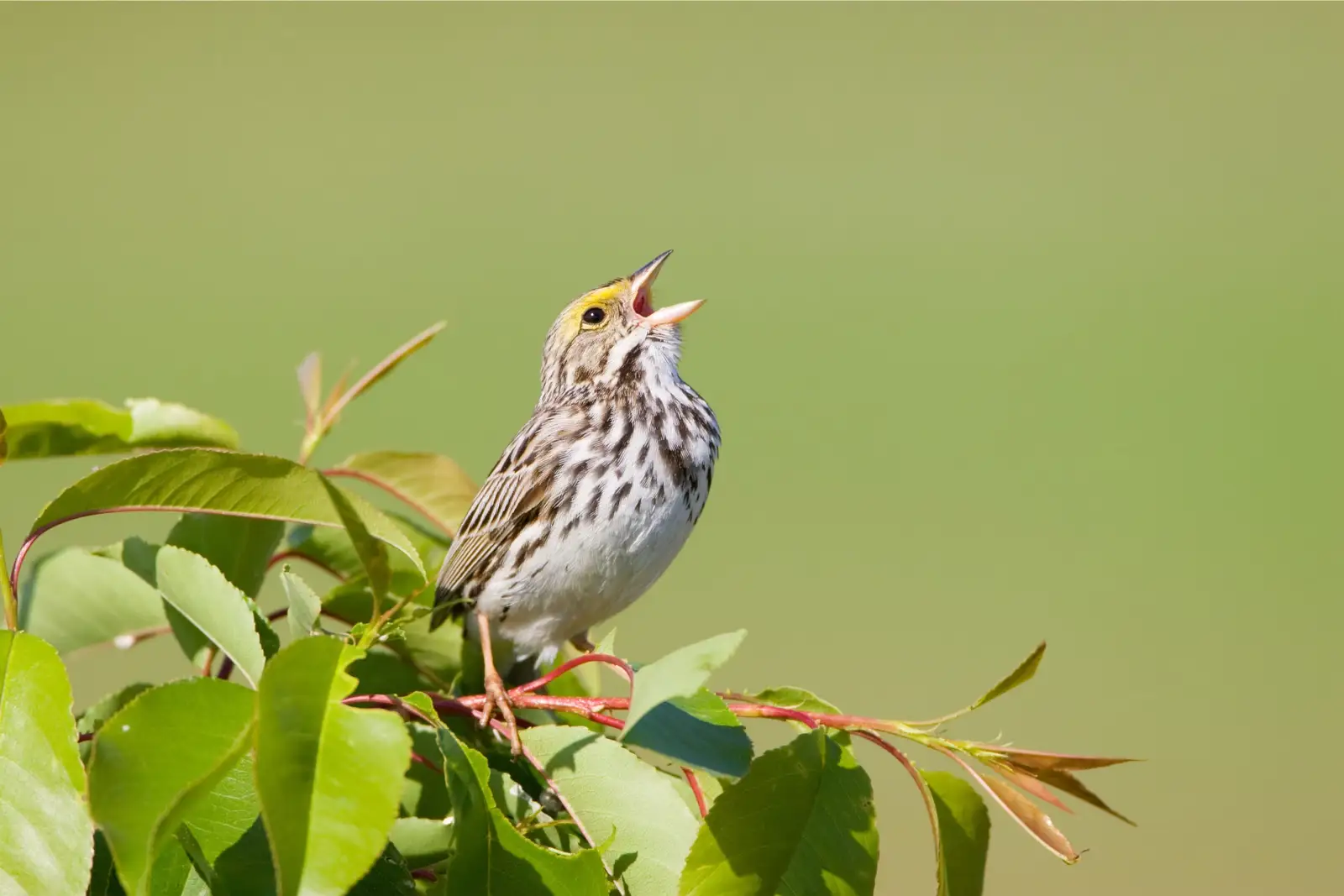
Effective control starts with confirming the bird. We identify the species, flock size, and behavior on your property — roosting, nesting, or feeding — because each species responds to different deterrents.
Pressure & Damage Survey
We map where droppings, nesting material, and landing pressure concentrate, and what the activity is costing you in cleanup, damage, and health risk.
Humane Deterrent Plan
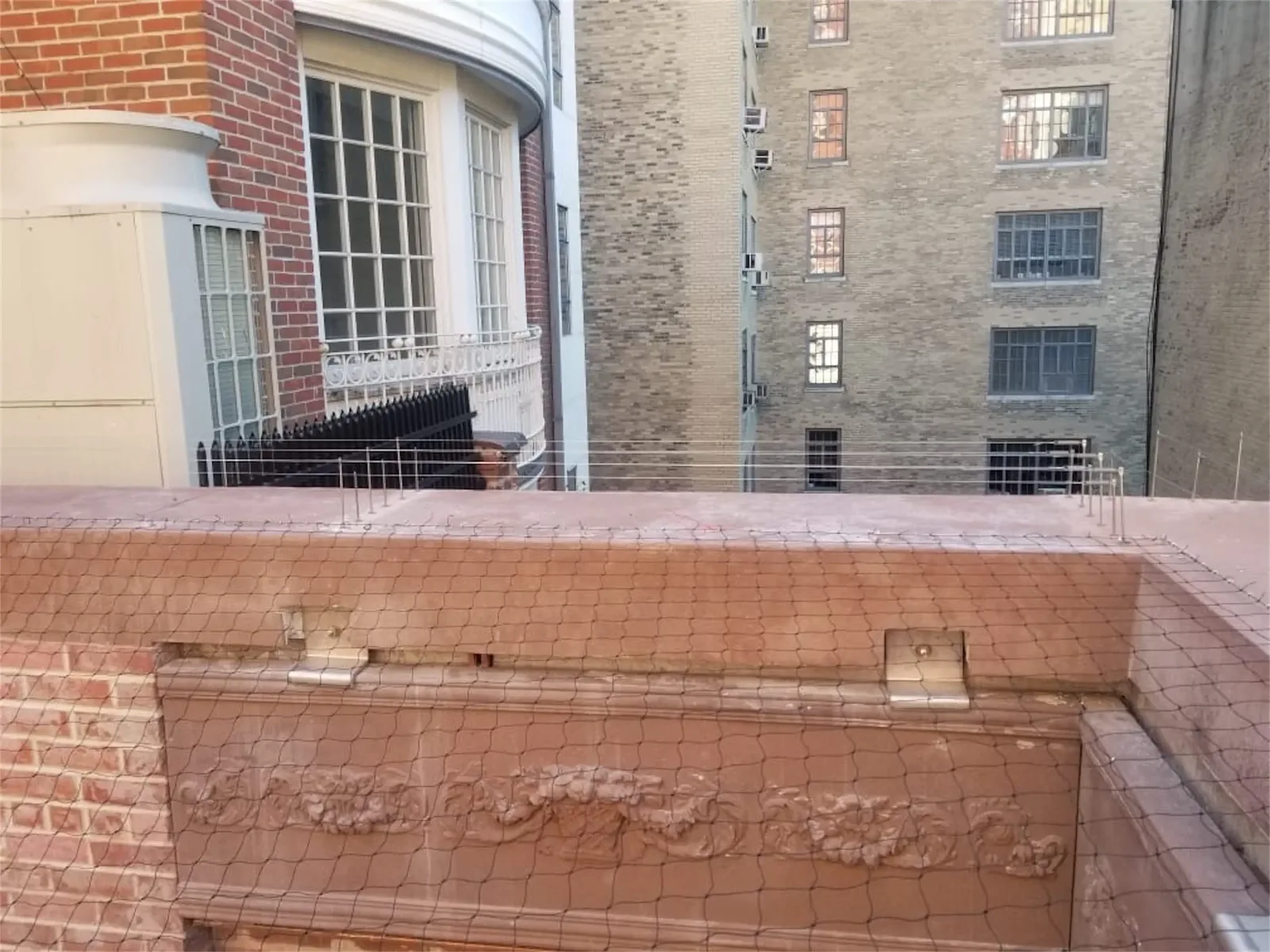
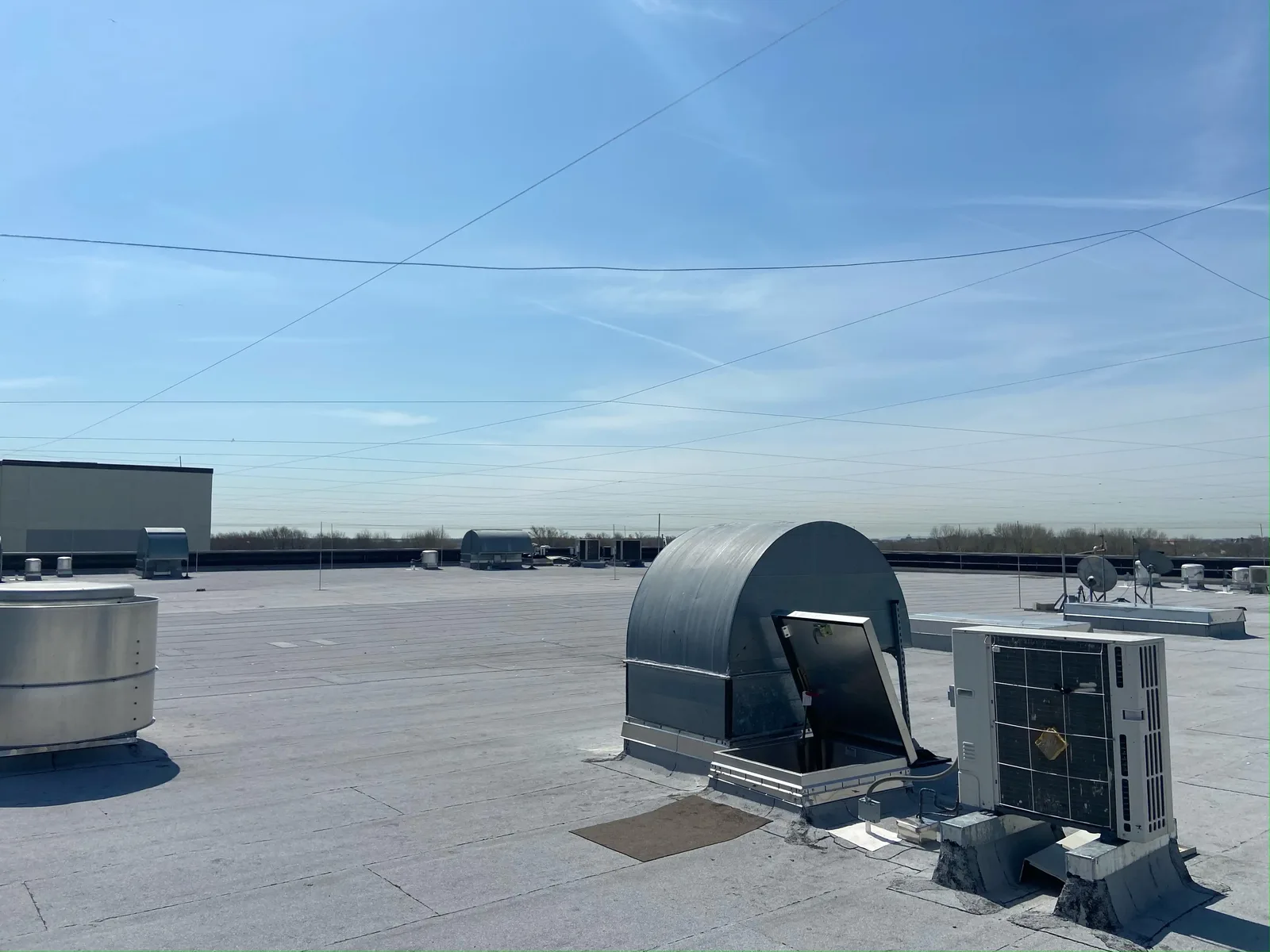
We match the right combination of netting, spikes, wire, shock track, or hazing to the species and the structure — humane, non-lethal, and compliant with migratory bird regulations.
Install, Clean & Maintain
Our crews install the deterrents, pressure-wash and disinfect the mess left behind, and schedule follow-ups so the flock does not simply move to the next ledge.
Questions we get about finch control
Don't see your question? Call the owner directly — we're glad to talk through your property.
Call us(732) 558-2464Bird Control, Species & Deterrents





Site Resources for You
Guides, answers, and company pages — everything else you might need.
Bird Resources
Canada Geese Resources
- Resources for Canada GeeseThe geese knowledge hub.
- Hazing TechniquesHow humane hazing actually works.
- Canada Goose BiologyWhy geese behave the way they do.
- Control MethodsEvery method, and when each applies.
- Geese FAQsCommon questions, straight answers.
- Signs of a Geese InvasionEarly warnings a flock is settling in.
- Geese & Human Health MythsWhat's real and what's exaggerated.
- Property Damage from GeeseTurf, water, and walkway damage explained.
Get in Touch
Choose how to reach us and tell us about your bird or Canada geese problem.