

Public Works Bird Control
Public Works Bird Control from Birds & Geese Beware. Practical bird control planning, FAQs, and service guidance across NJ, NYC, NY, and CT.












Garages, salt sheds, and maintenance yards give birds cover year-round, and droppings on equipment shorten its service life. We keep municipal facilities operational.
Yard & Garage Exclusion
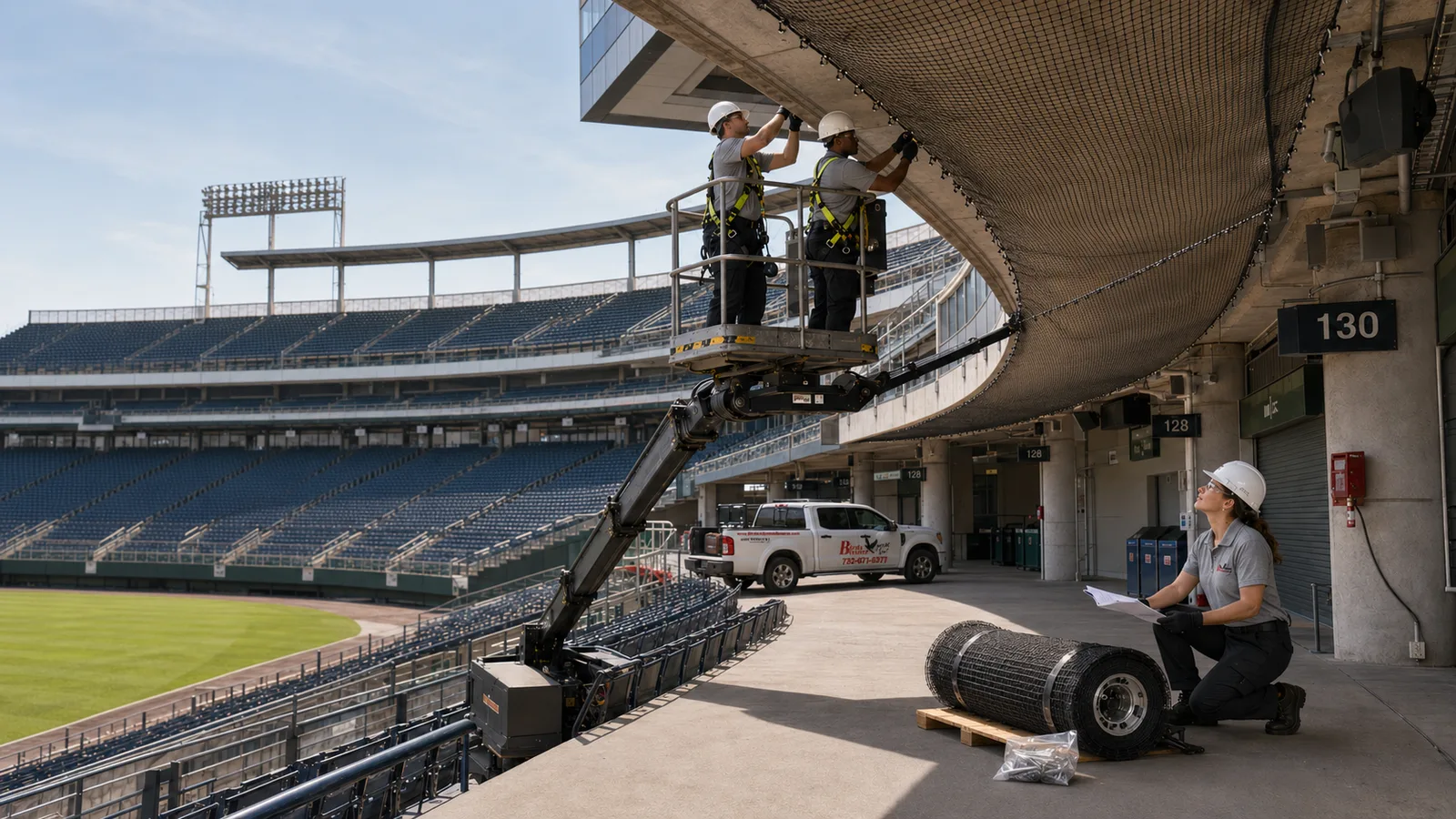
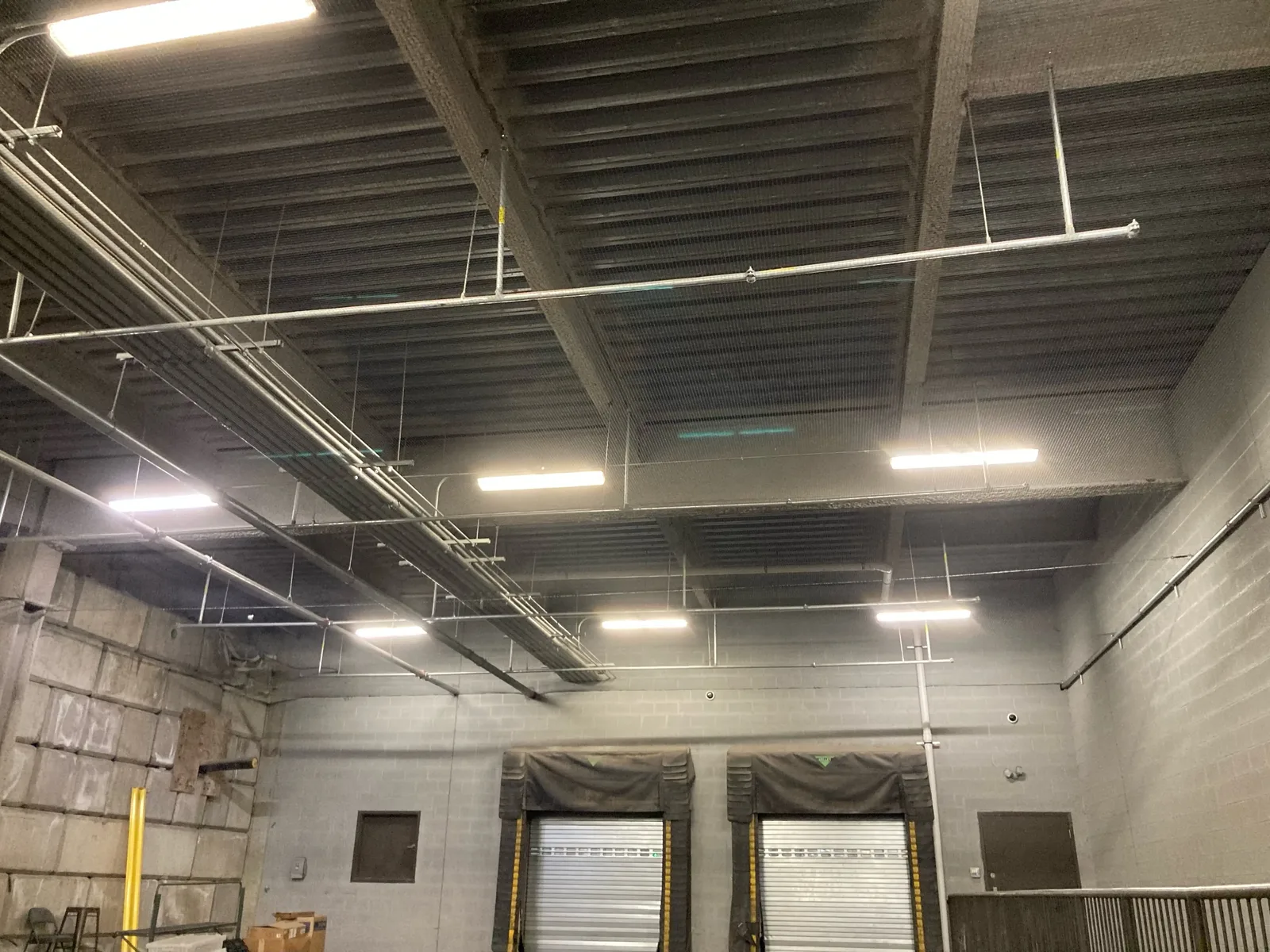
Netting and screening fitted to equipment bays, salt sheds, and maintenance buildings.
Equipment Protection
Exclusion keeps corrosive droppings off trucks, plows, and stored machinery.
Municipal Quoting
Proposals formatted for public-works budgeting and approval processes.
Off-Shift Scheduling
Work timed around vehicle rotations so equipment stays available.
Bird control for public works across NJ, NY & CT
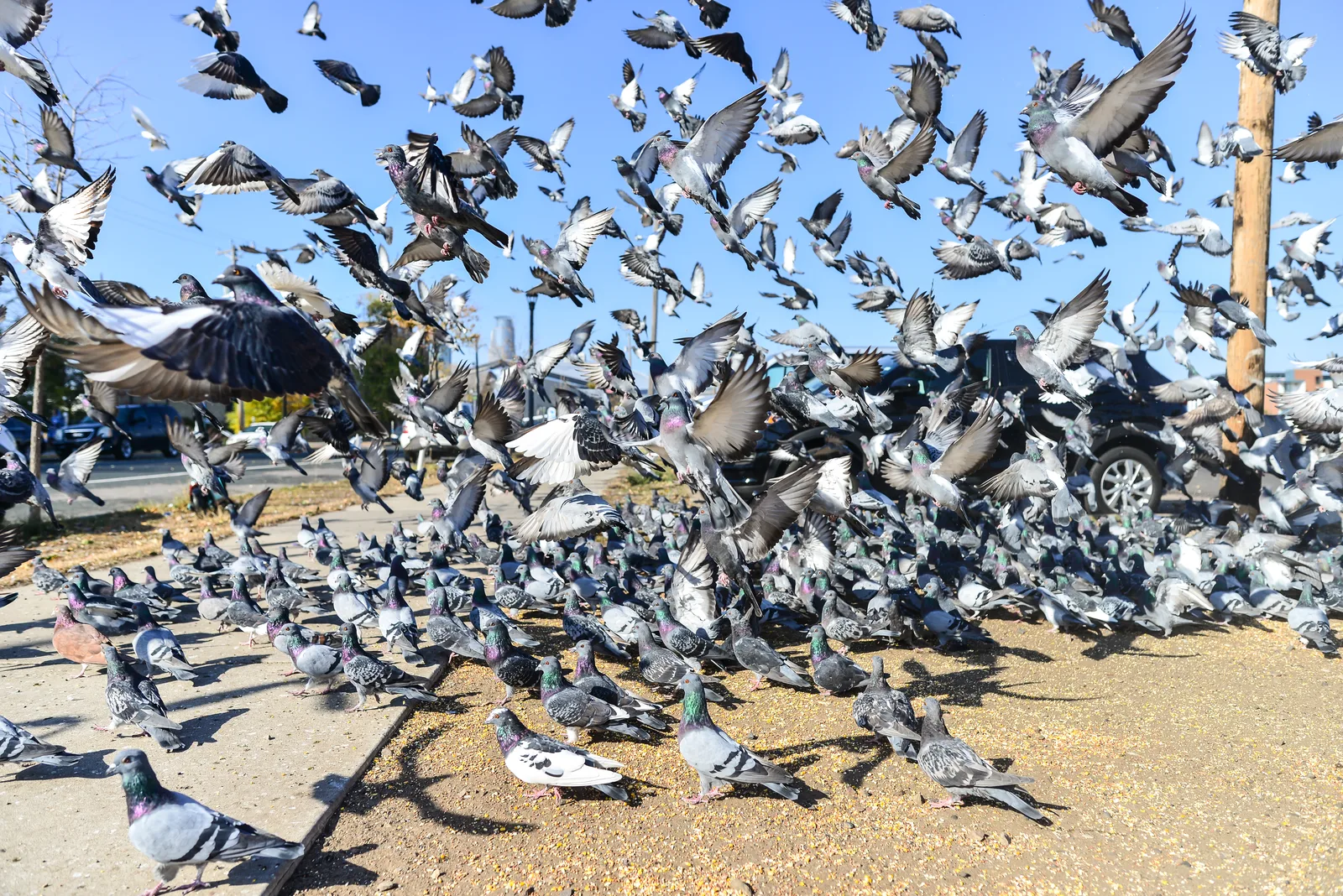
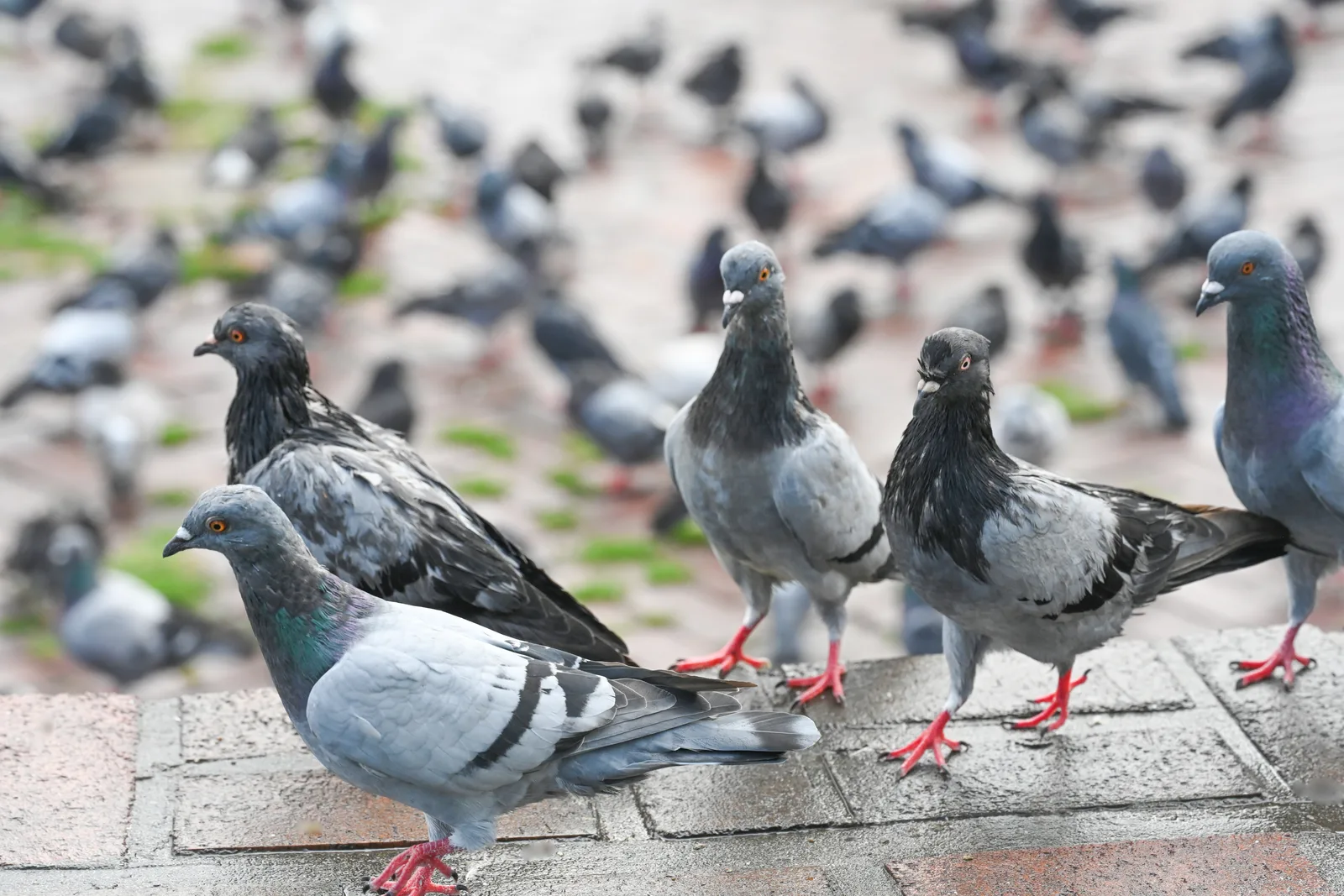
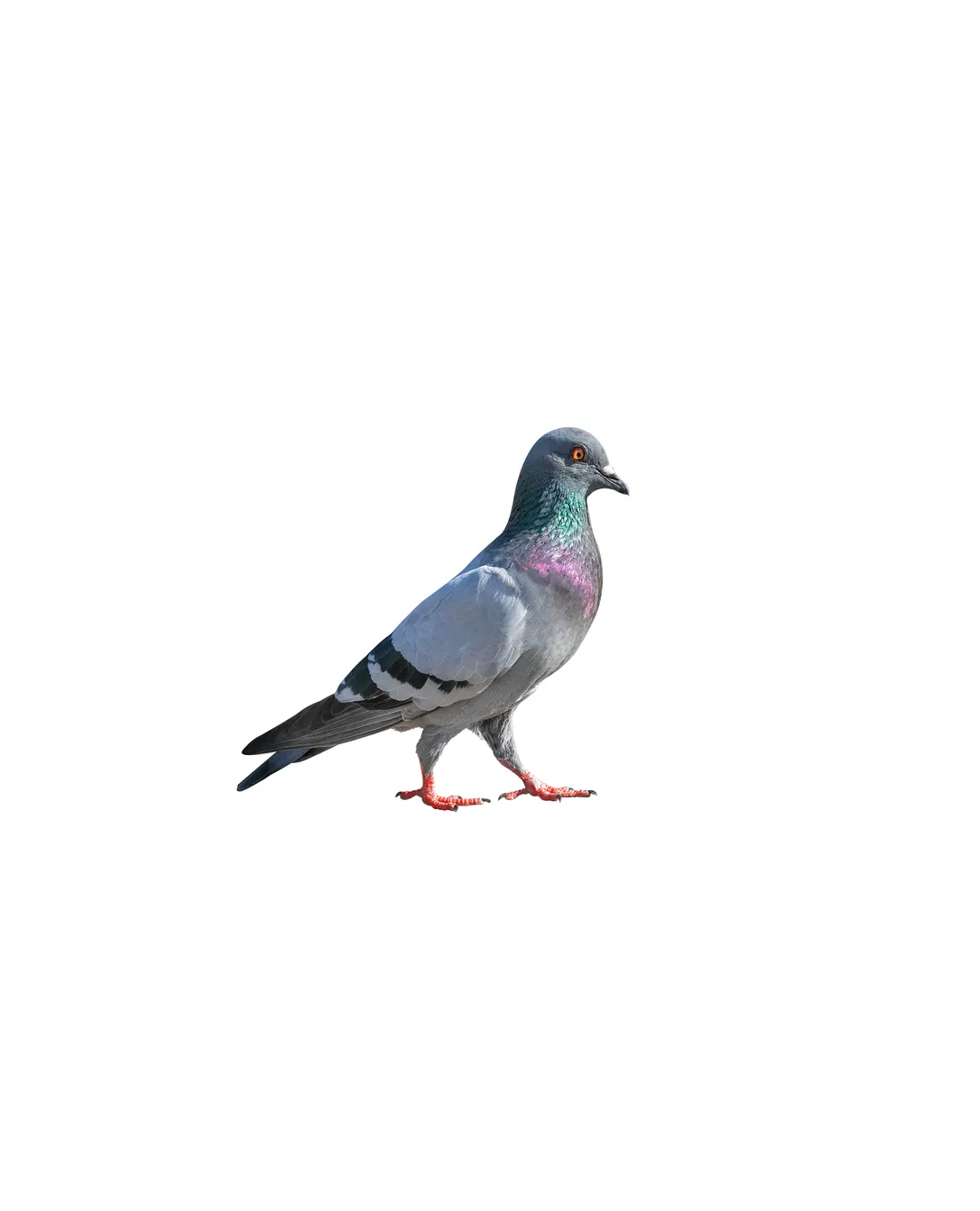
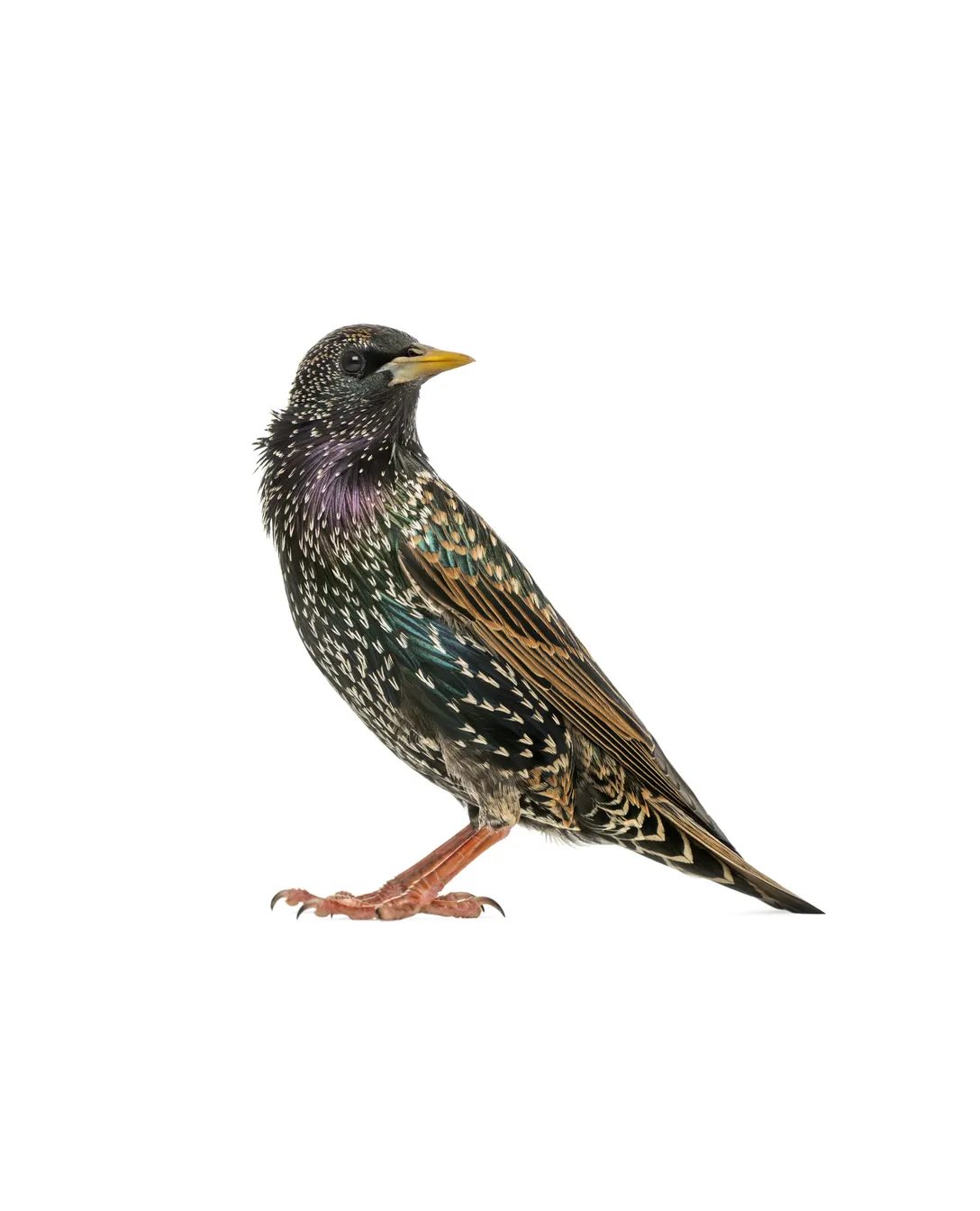
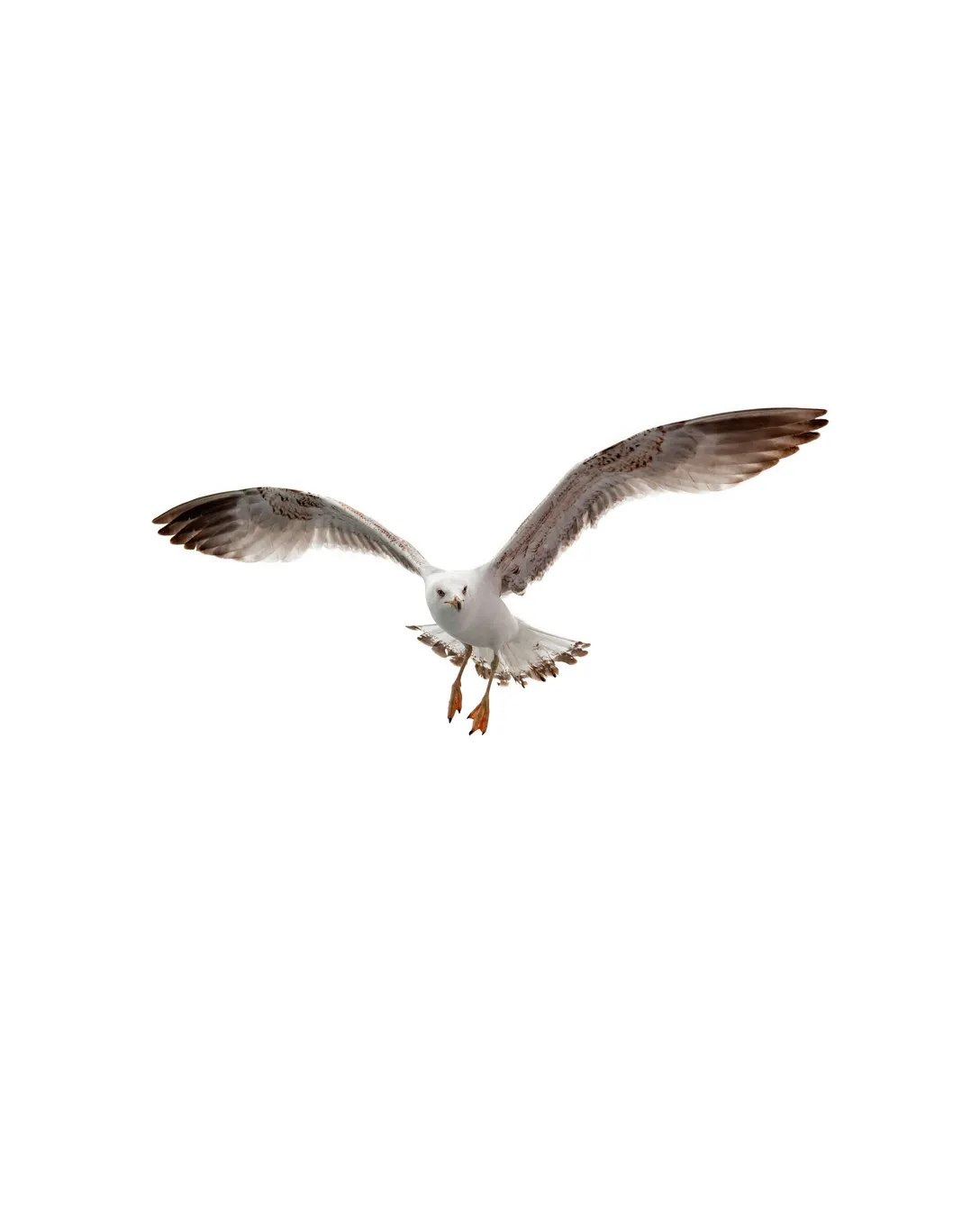
Public works departments manage more exposed structure than almost any other client we serve: treatment plants, pump stations, garages, reservoirs, and municipal buildings spread across a wide service area. Pigeons, starlings, and gulls settle into that infrastructure fast, and once they do, a town is left with corroded railings, fouled walkways, and a maintenance crew that spends its week cleaning up after birds instead of running the facility.
Birds & Geese Beware, Inc. has served municipal and public works clients across New Jersey, New York, and Connecticut since 1991. We understand the added weight of working on public infrastructure: every install has to hold up to public traffic, survive budget scrutiny, and comply with the Migratory Bird Treaty Act and state wildlife rules from day one.

Where birds settle on public infrastructure
Public works sites tend to combine open water, large flat roofs, and heavy equipment, all of which draw birds for different reasons.
- Reservoirs, holding tanks, and clarifiers, where gulls and pigeons contaminate water sources
- Municipal garage and depot roofs, ledges, and loading bays
- Pump stations, transfer stations, and treatment plant catwalks
- Public building facades, parapets, and signage
Because these sites are often unstaffed for long stretches, a roost can go unnoticed for months. By the time it's reported, the fouling has usually reached surfaces that are expensive to clean and, at a treatment facility, a genuine contamination concern.
Deterrent options for municipal facilities
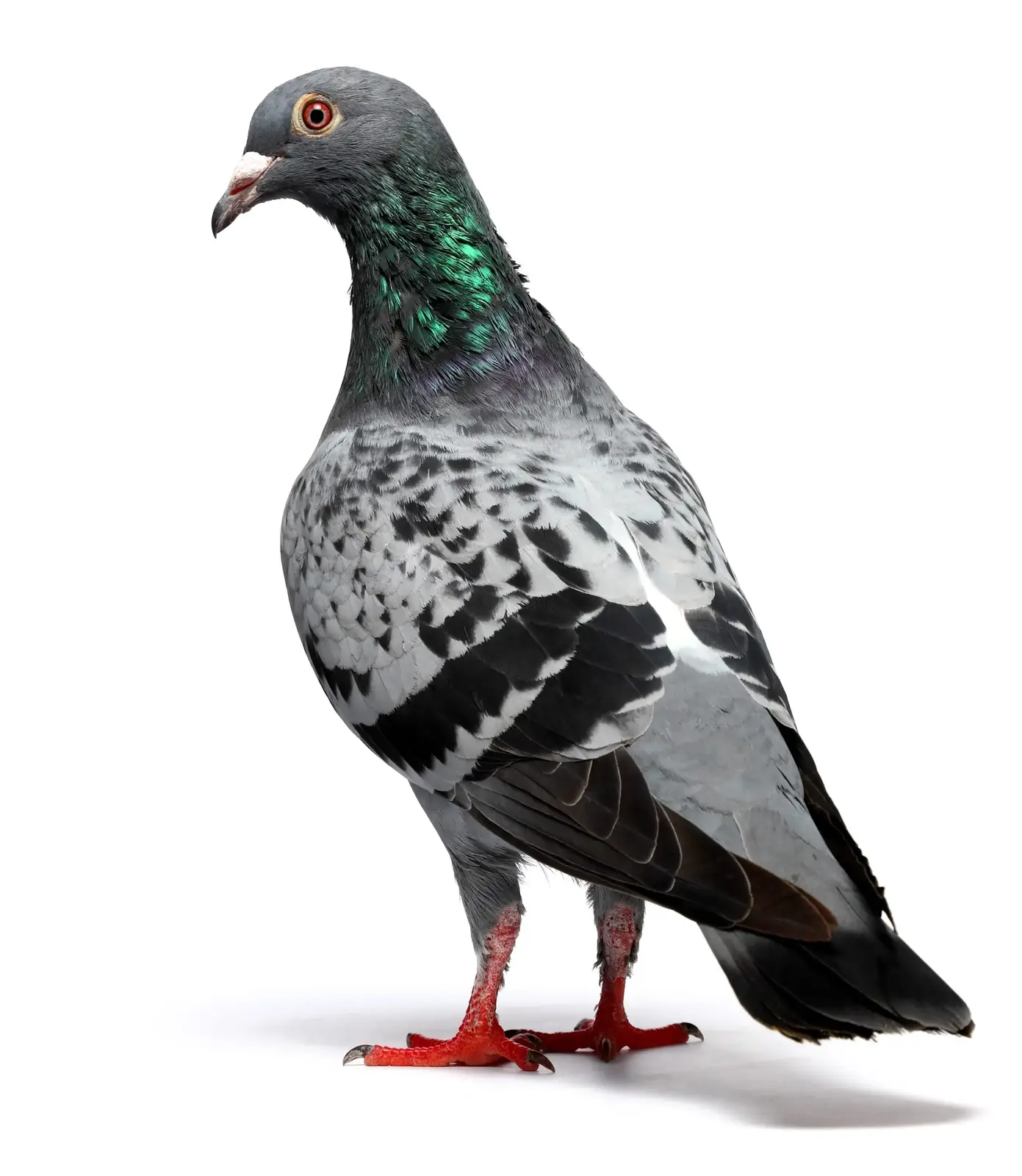
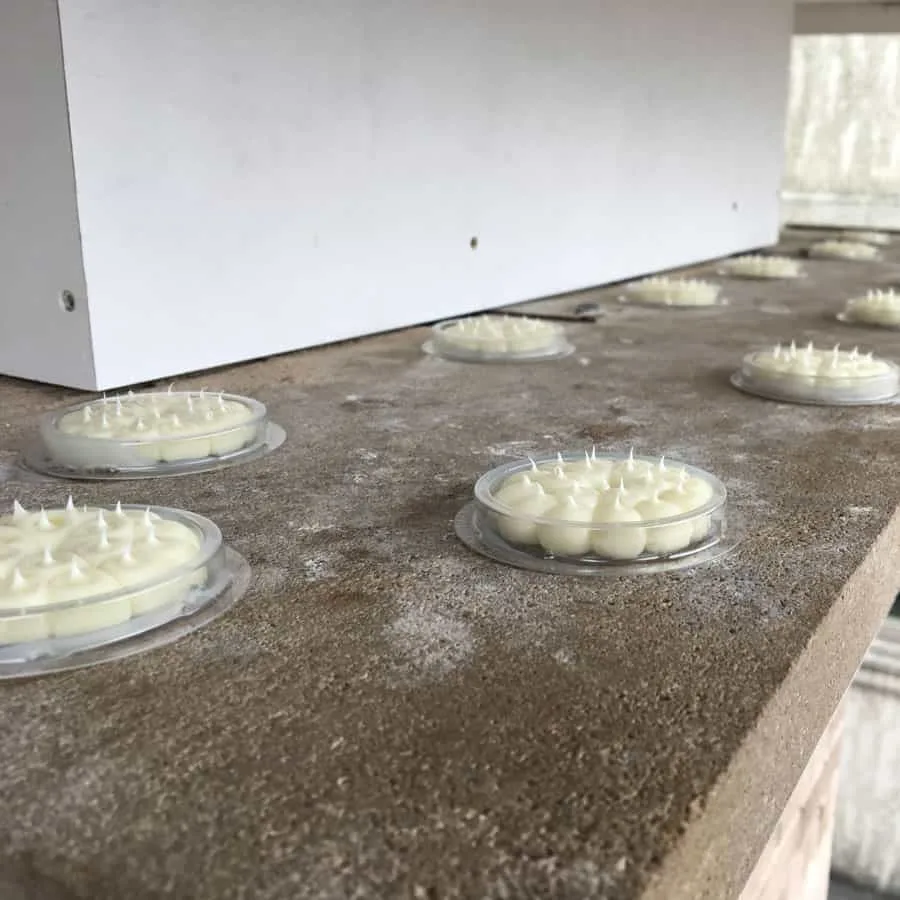
We match the deterrent to the surface and the exposure. On public infrastructure, that usually means combining a physical barrier with a discreet perimeter treatment.
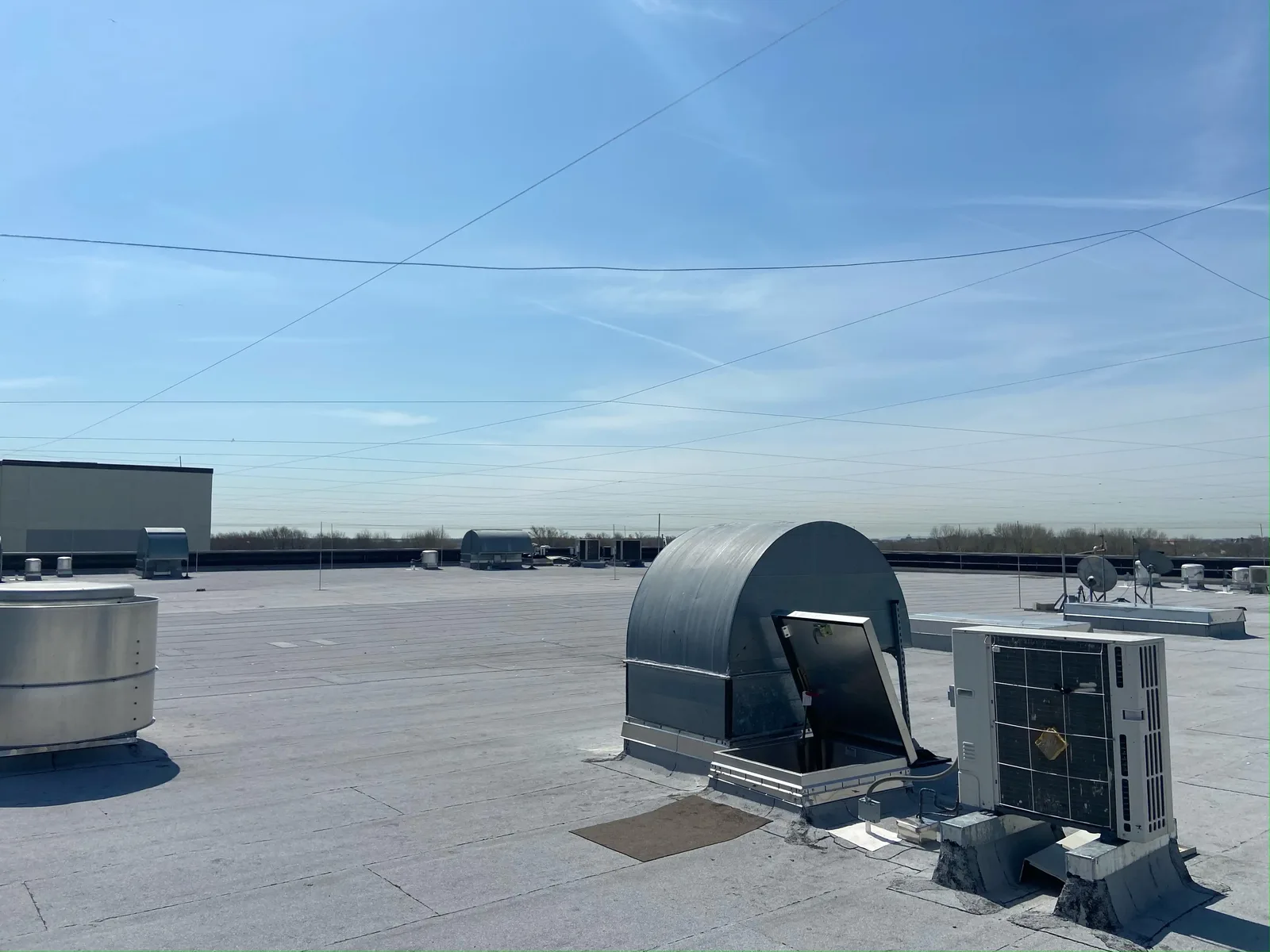
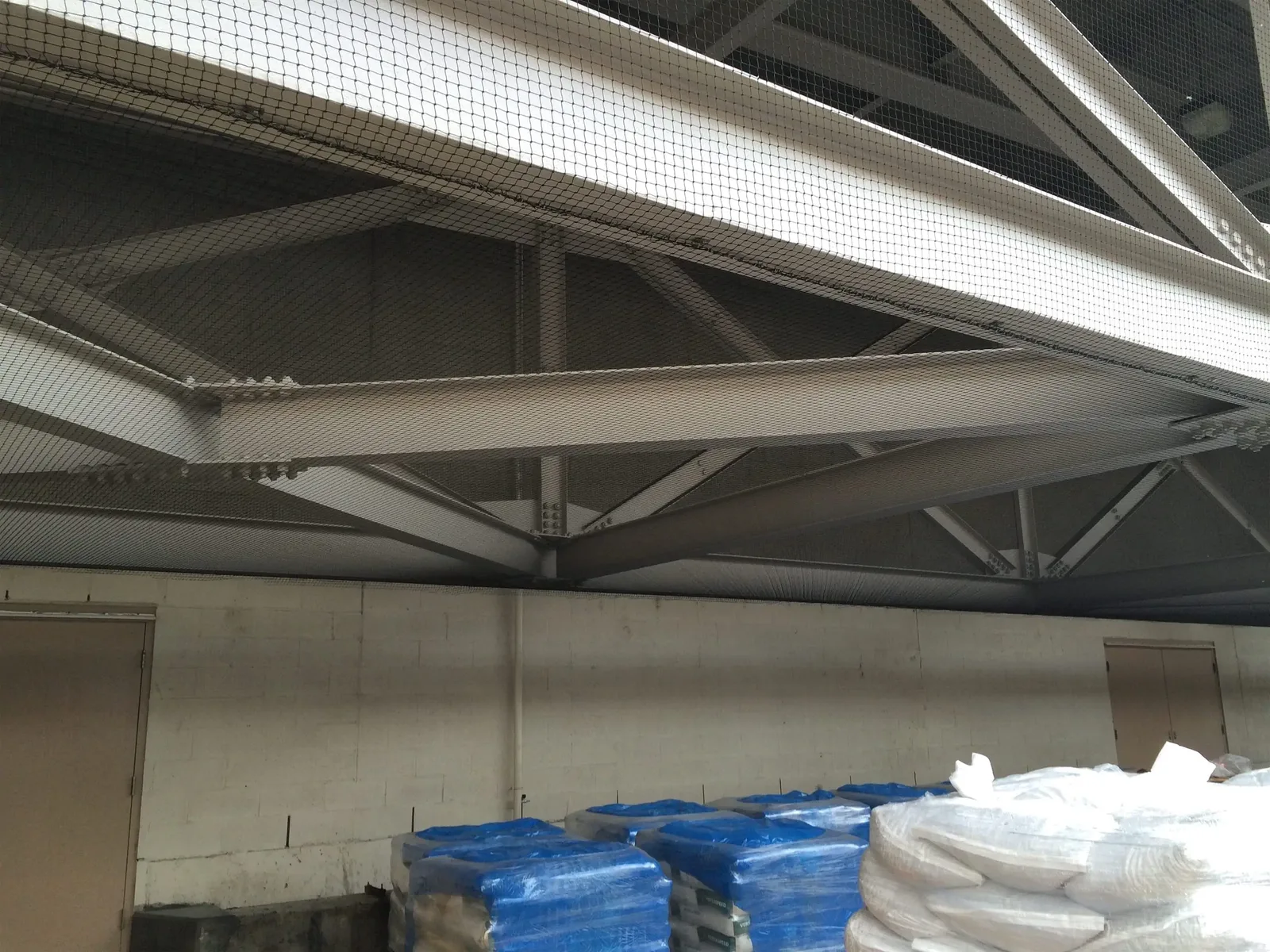
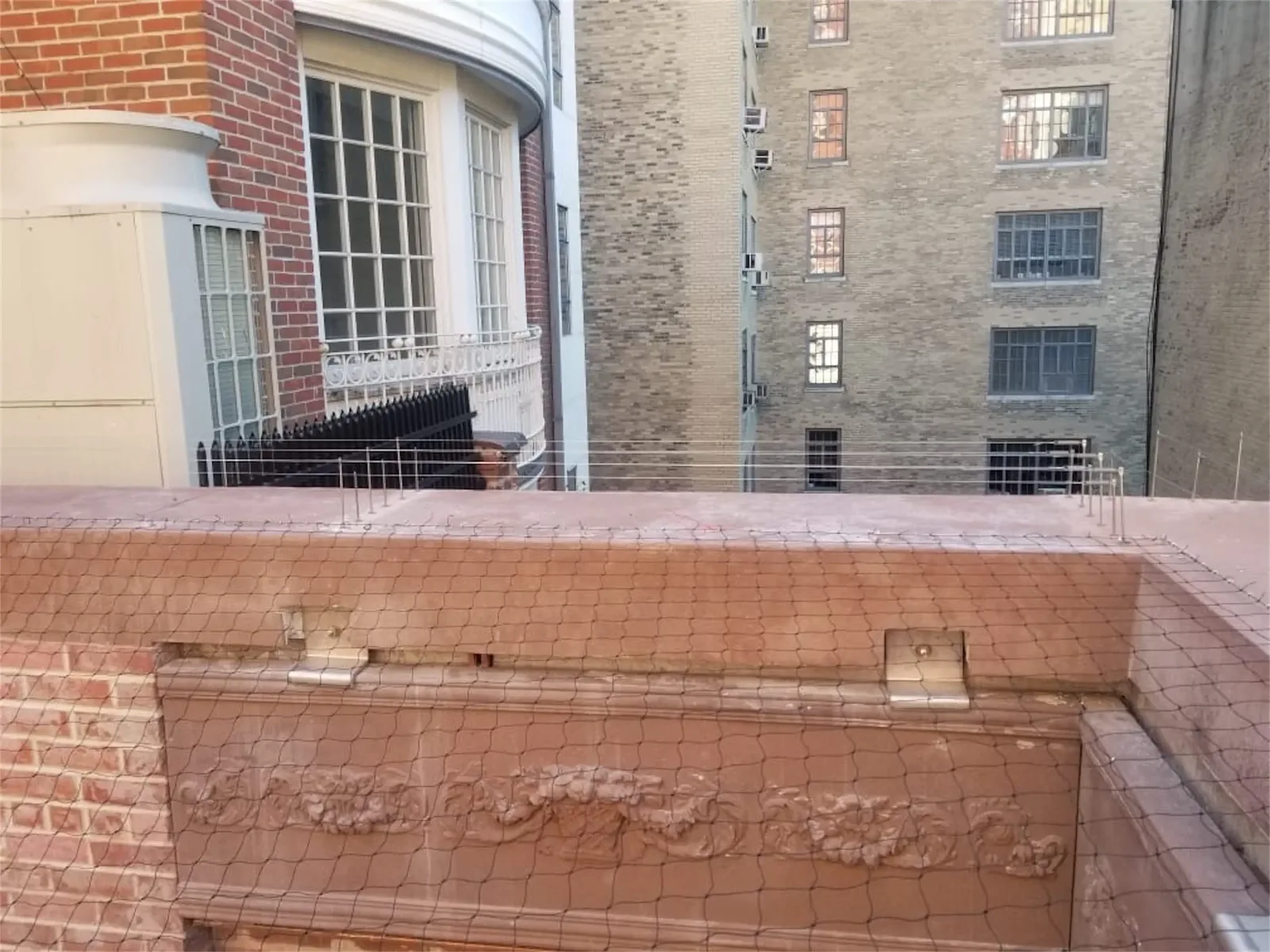


For depots and equipment buildings with active roosts, we also apply hard exclusion to seal gaps in the building envelope for good.
See your bird deterrent options
Every municipal site is different, so we match the deterrent to the structure, the exposure, and the budget.
Health, safety, and compliance
Bird droppings around public infrastructure aren't just a maintenance headache. They're acidic enough to accelerate corrosion on metal railings and roofing, and slick enough to create slip and fall risk on walkways used by the public every day. At water treatment plants and reservoirs, gull and pigeon activity is a direct contamination concern that inspectors take seriously. Every method we install is non-lethal and follows federal and state migratory bird protections, so departments can document compliance without a second thought.
How a public works job runs
- Site survey. We walk the full site, mapping every roost and access constraint across buildings, tanks, and yards.
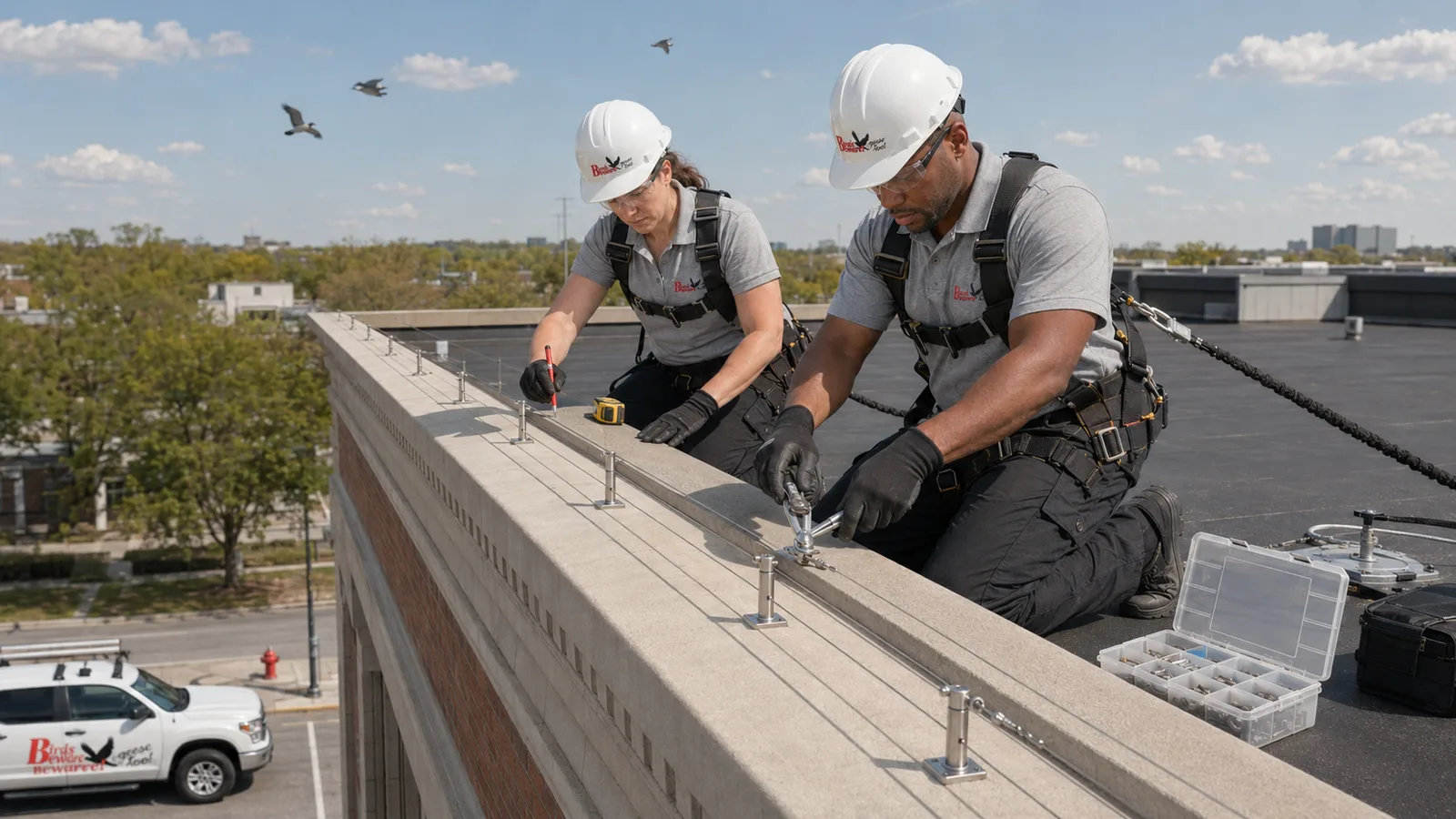
- Matched install. Crews fit the deterrent to each structure, from reservoir grids to building-mounted wire.
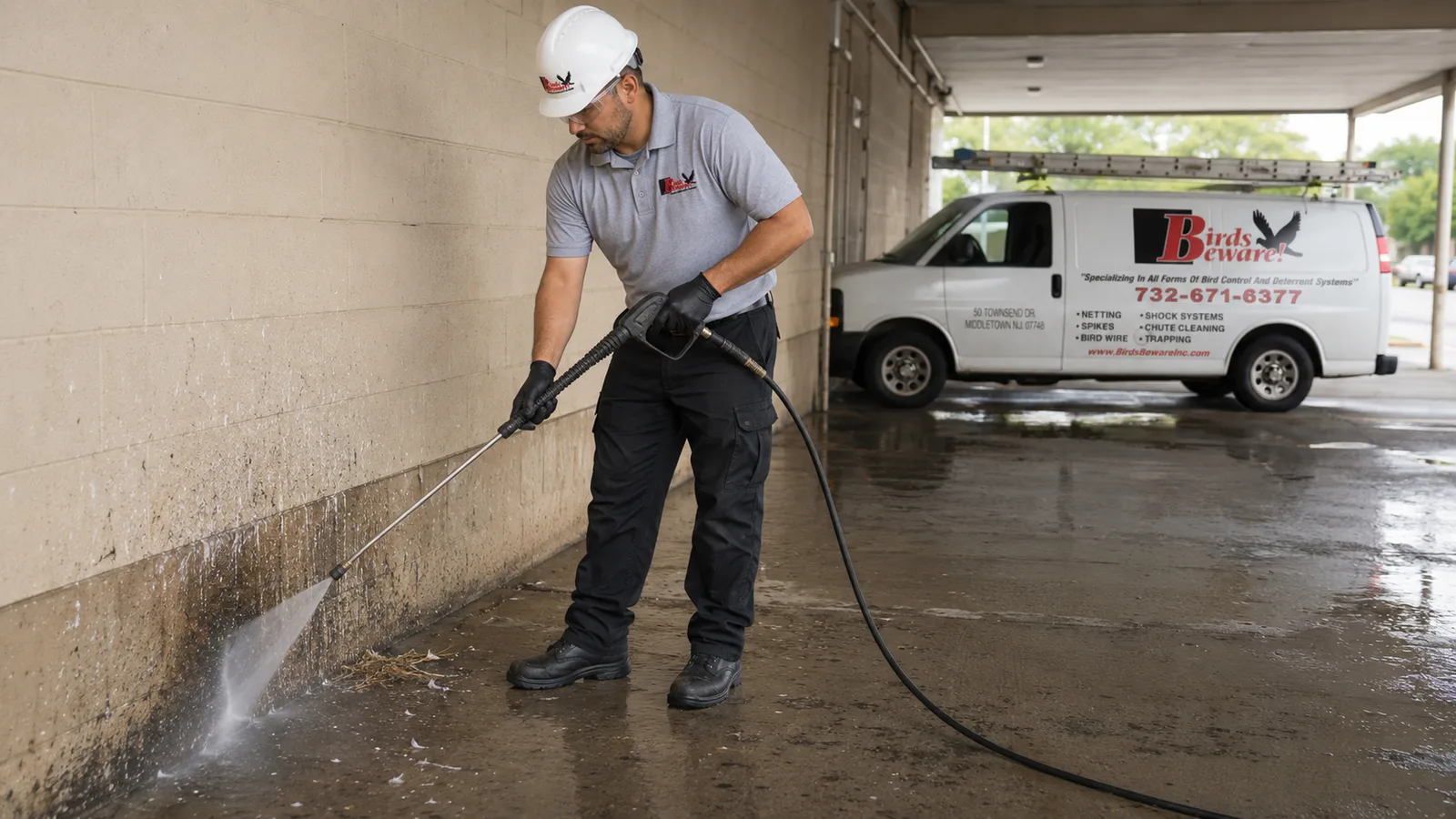
- Cleanup & sanitize. We clear droppings and nesting debris and sanitize the affected surfaces.
- Follow-up. We check back through nesting season so the fix holds across multiple sites and seasons.
We're used to working with facility and public works managers who need documentation for budget approval or a town council. We provide a clear site assessment and written scope before any work begins.

Related bird control services
Public works departments often manage several of these property types at once.
Our process for Public Works Bird Control.
Facility Walkthrough
We inspect the property the way the birds use it — rooflines, ledges, loading areas, grounds, and water — and document the pressure points that matter for your type of facility.
Plan Built for Your Operation
The program is designed around your hours, tenants, and compliance needs: humane deterrents and geese management that solve the problem without disrupting the way the facility runs.
Clean Installation & Service
Uniformed, insured crews install deterrents or run goose-control visits on a schedule that works for the site, then clean and disinfect the areas the birds fouled.
Verify & Maintain
We confirm the pressure is gone, report what was done, and keep the property protected with maintenance visits — so the problem stays solved.
Questions we get about public works bird control
Don't see your question? Call the owner directly — we're glad to talk through your property.
Call us(732) 558-2464Bird Control, Species & Deterrents

Site Resources for You
Guides, answers, and company pages — everything else you might need.
Bird Resources
Canada Geese Resources
- Resources for Canada GeeseThe geese knowledge hub.
- Hazing TechniquesHow humane hazing actually works.
- Canada Goose BiologyWhy geese behave the way they do.
- Control MethodsEvery method, and when each applies.
- Geese FAQsCommon questions, straight answers.
- Signs of a Geese InvasionEarly warnings a flock is settling in.
- Geese & Human Health MythsWhat's real and what's exaggerated.
- Property Damage from GeeseTurf, water, and walkway damage explained.
Get in Touch
Choose how to reach us and tell us about your bird or Canada geese problem.