

Recycling Facility Bird Control
Recycling Bird Control from Birds & Geese Beware. Practical bird control planning, FAQs, and service guidance across NJ, NYC, NY, and CT.












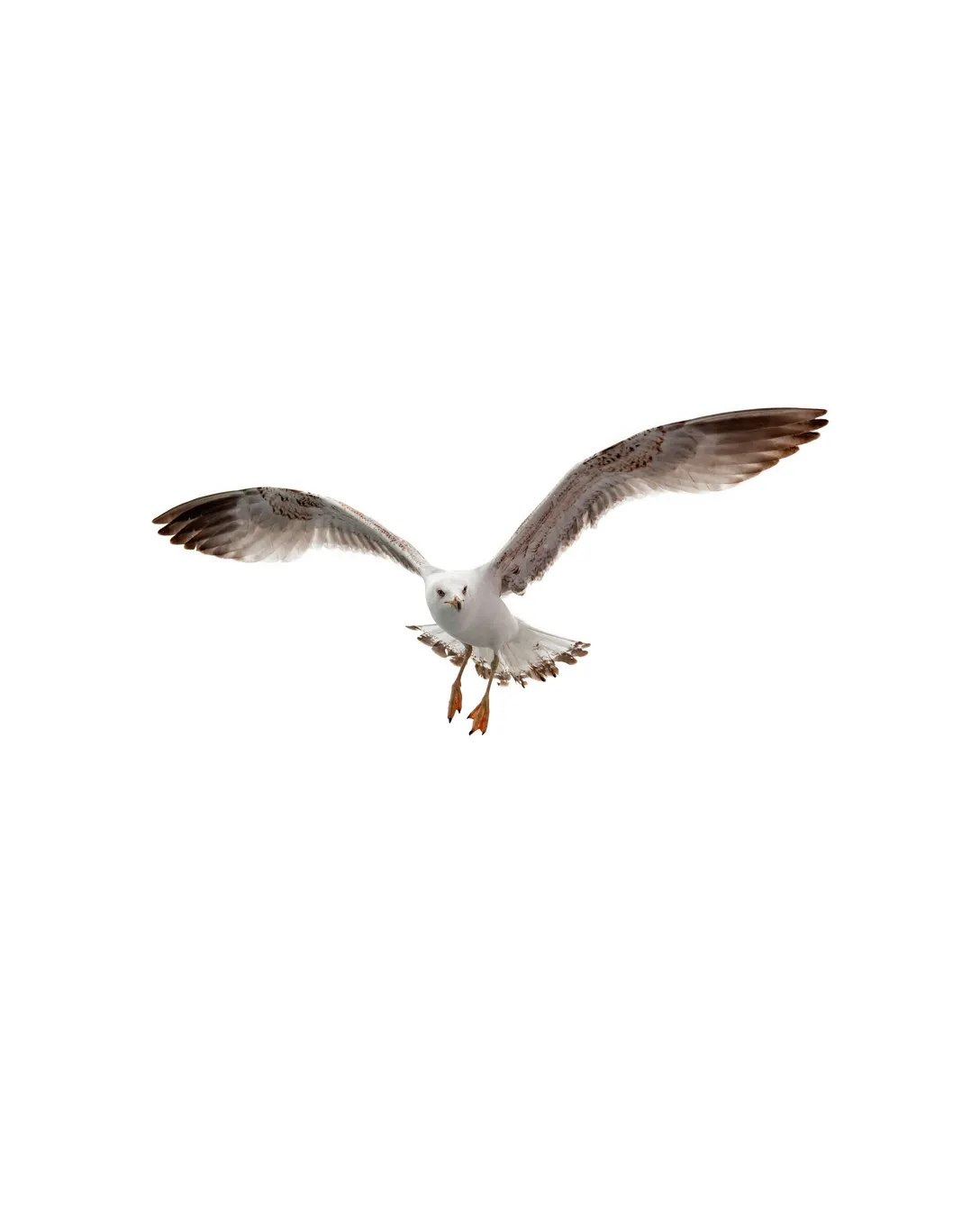
Open sorting lines and exposed material draw large gull and pigeon flocks fast. We reduce roosting around the tipping floor without slowing sort operations.
Tipping Floor Exclusion
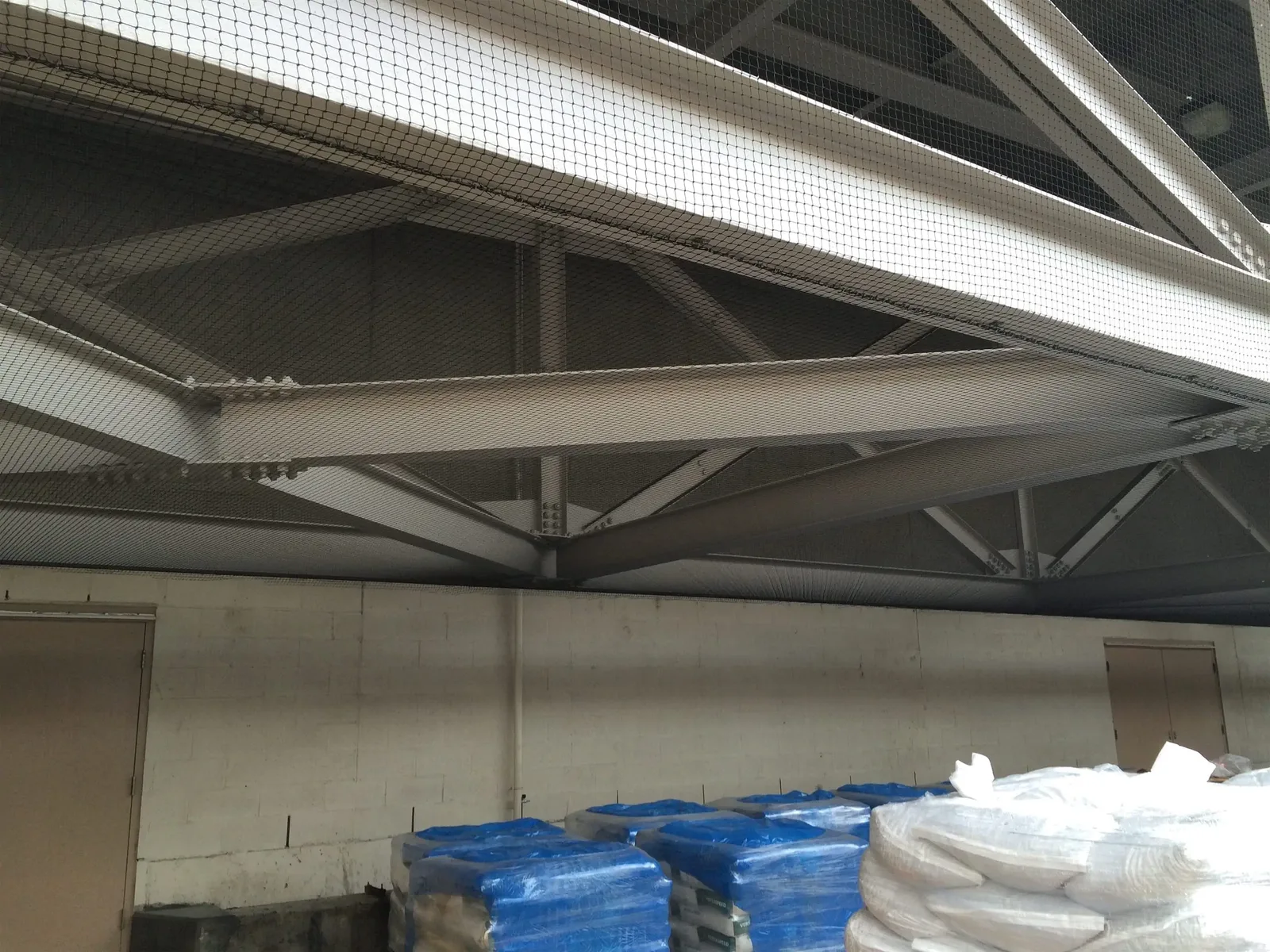
Netting and wire fitted to rafters and openings above sorting and tipping areas.
Contamination Reduction
Fewer birds around material streams means fewer droppings contaminating recyclables.
Operations-Safe Scheduling
Installation planned around active sort lines and truck traffic.
Facility-Wide Assessment
Full walkthrough maps every access point before quoting a plan.
Bird control for recycling facilities across NJ, NY & CT
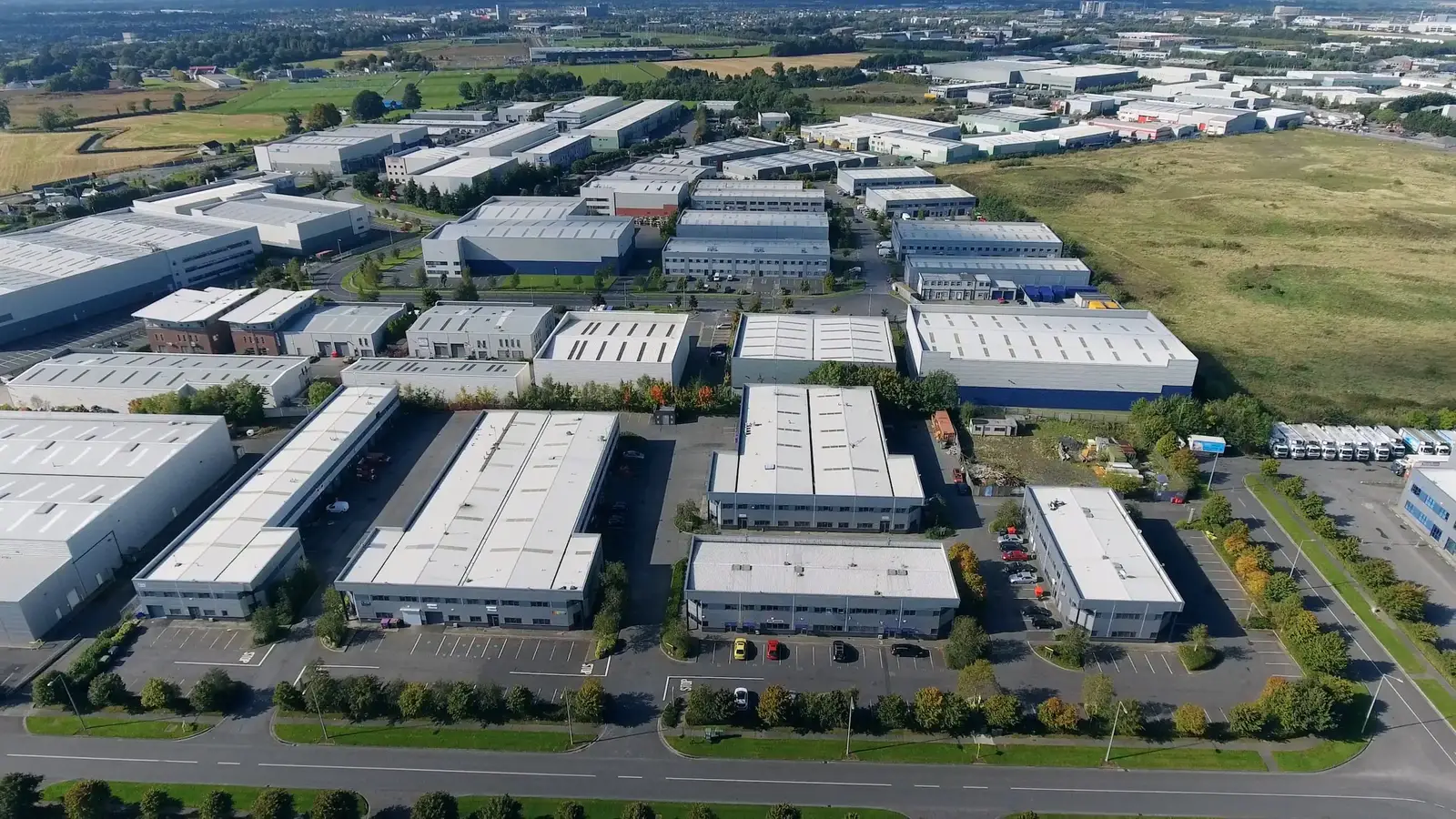
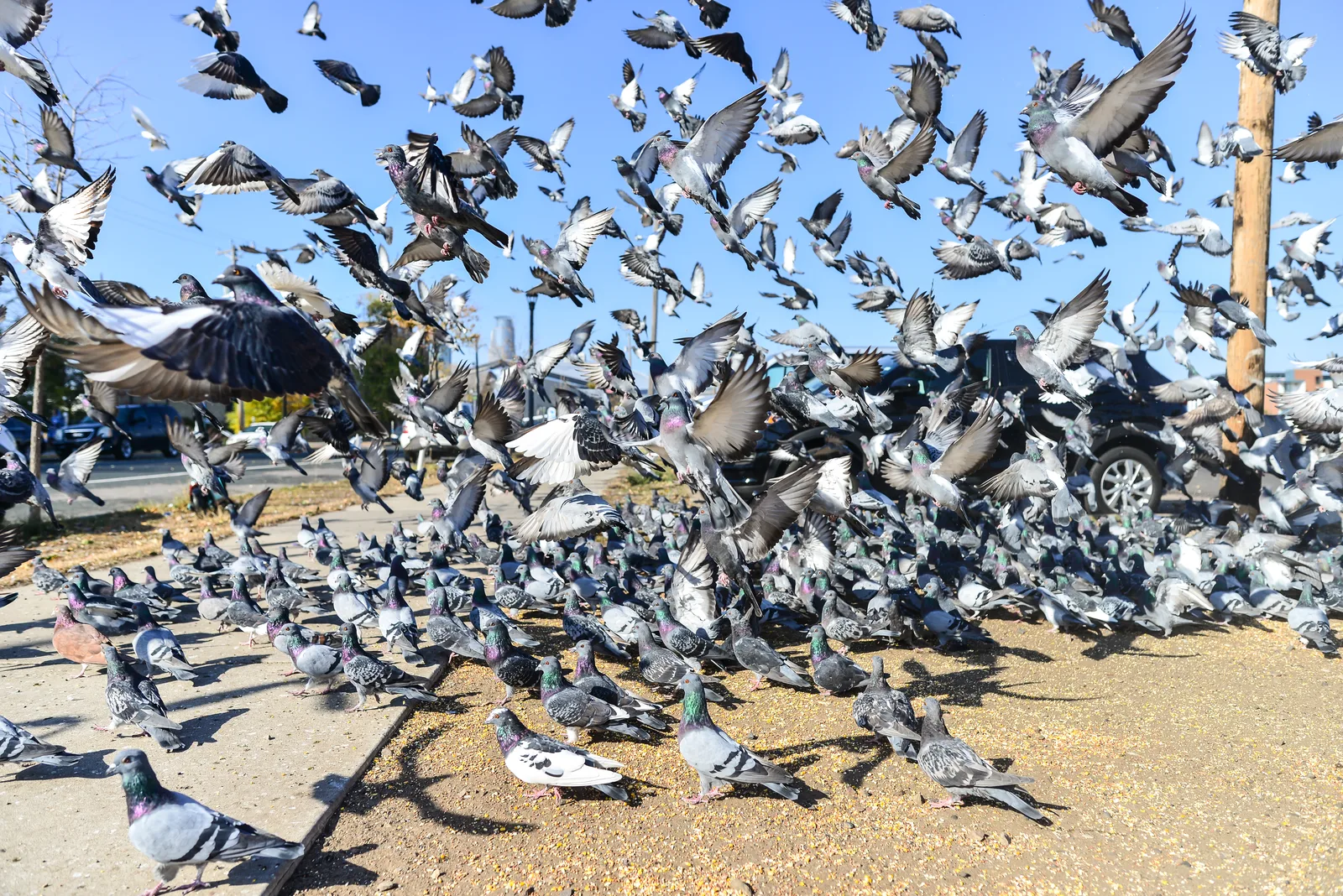
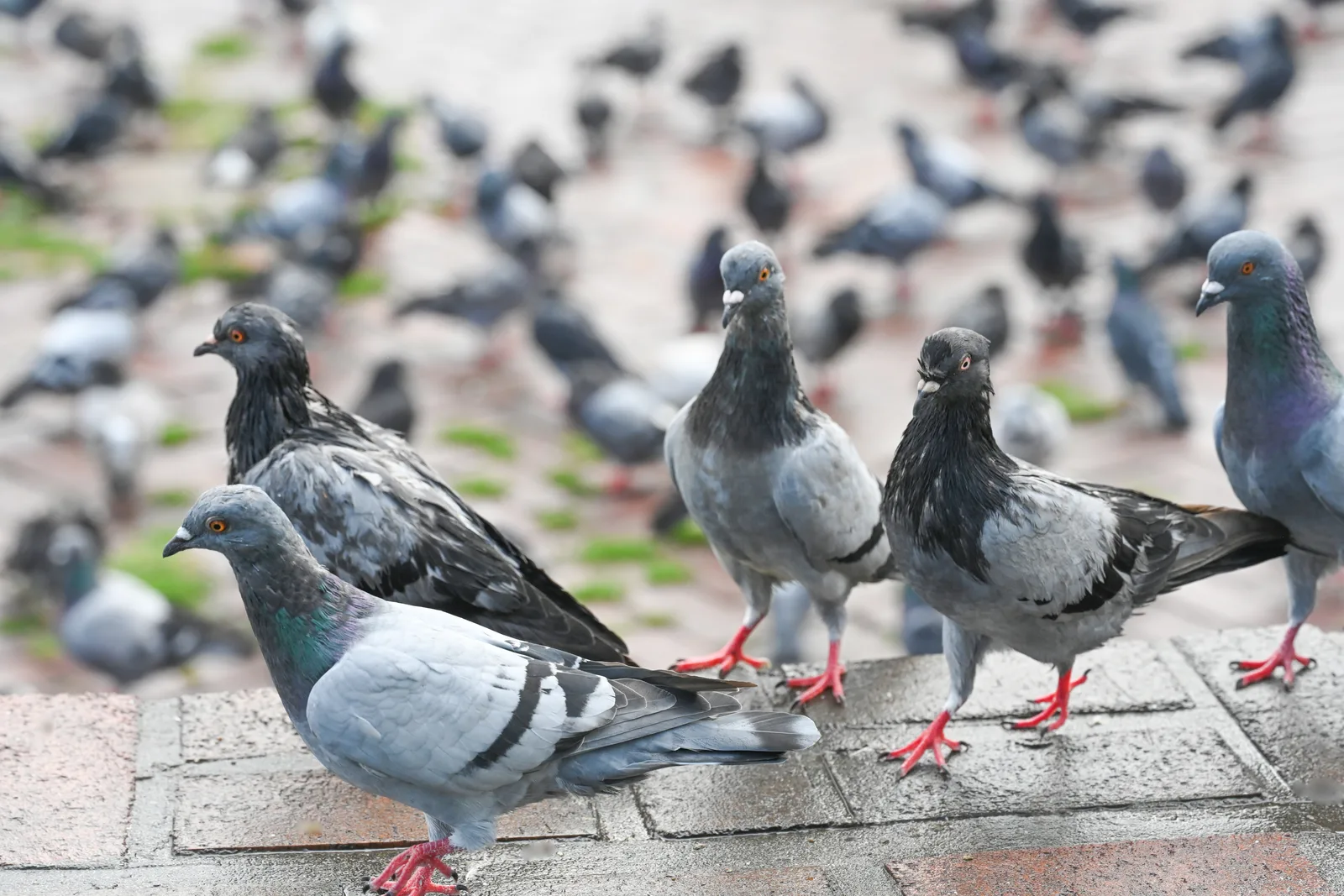
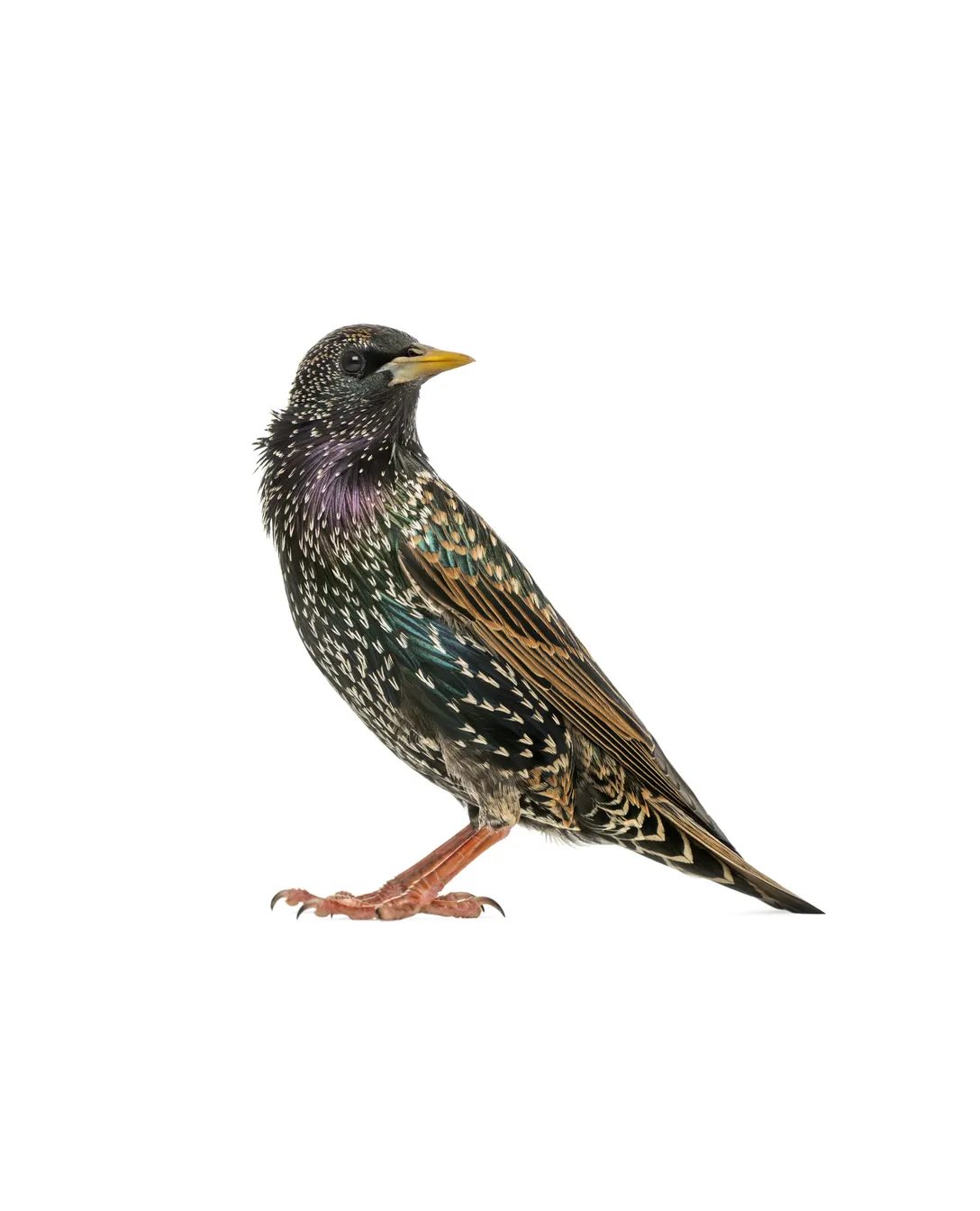
Open waste is a bird magnet, and a recycling facility is nothing but open waste at scale. Tipping floors, sorting lines, and outdoor bale storage put food scraps and organic material within easy reach of gulls, starlings, and pigeons, and once a flock finds a reliable feeding ground, it moves in for good.
Birds & Geese Beware, Inc. has protected recycling and waste handling facilities across New Jersey, New York, and Connecticut since 1991. Scavenging birds at a working facility aren't just a nuisance, they contaminate material streams, interfere with equipment, and create real hazards for the crews working the floor. We install physical barriers built for that scale of exposure, not spot treatments.

Why birds target recycling facilities
Gulls and starlings key in on a few consistent features at recycling and waste transfer sites.
- Open tipping floors and transfer bays with exposed organic material
- Conveyor lines and sorting stations left uncovered
- Outdoor bale and container storage yards
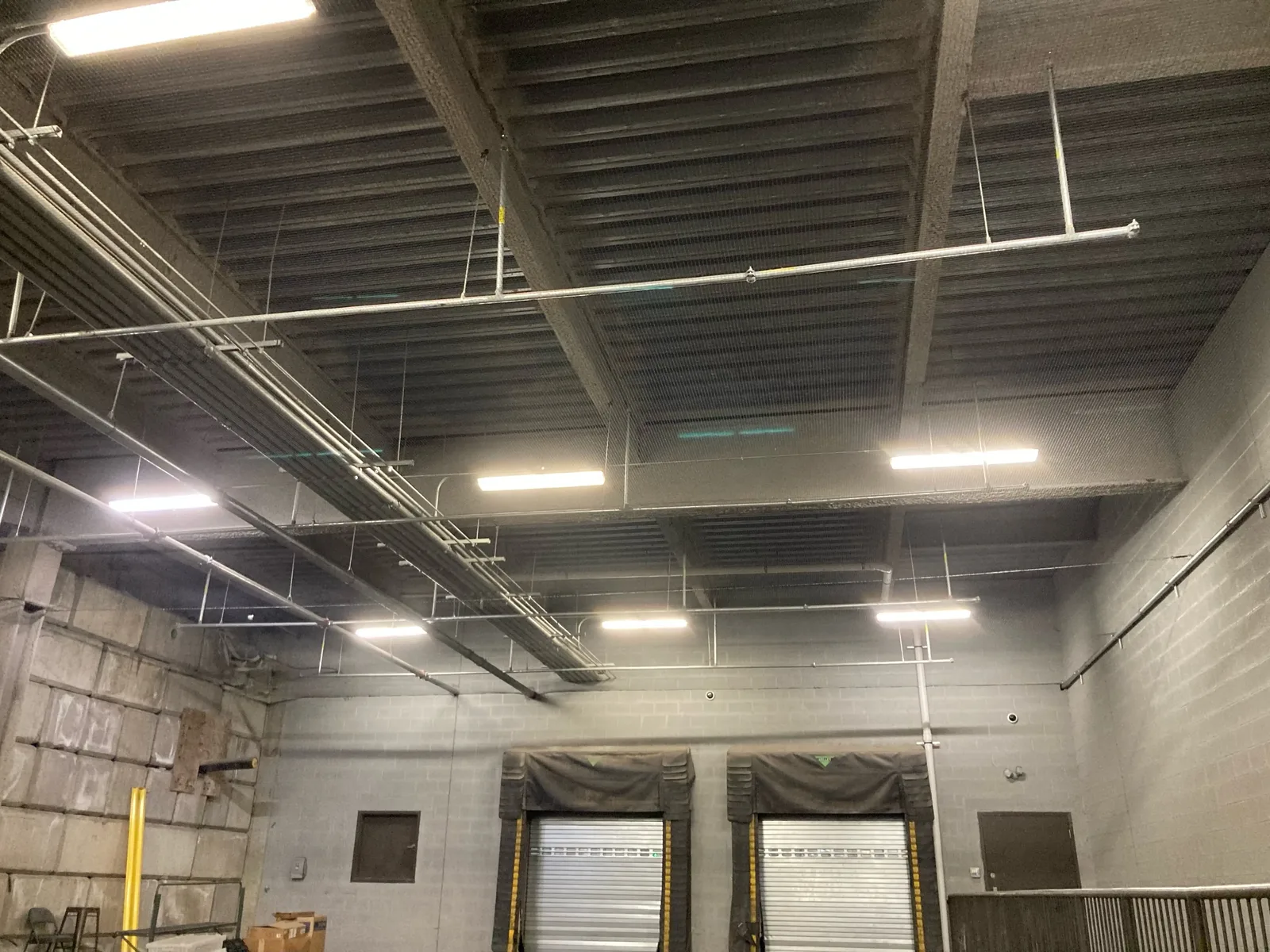
- Rafters and steel beams inside high-bay processing buildings
Once birds are working a tipping floor, they don't just perch nearby, they drop material onto conveyors, foul sorting equipment, and leave droppings across walkways where crews are moving quickly. That's a contamination problem and a safety problem in the same footprint.

Deterrents built for open-waste facilities
Recycling facilities need coverage across large open spans, not just a ledge here and there. We build the install around the size of the exposure.
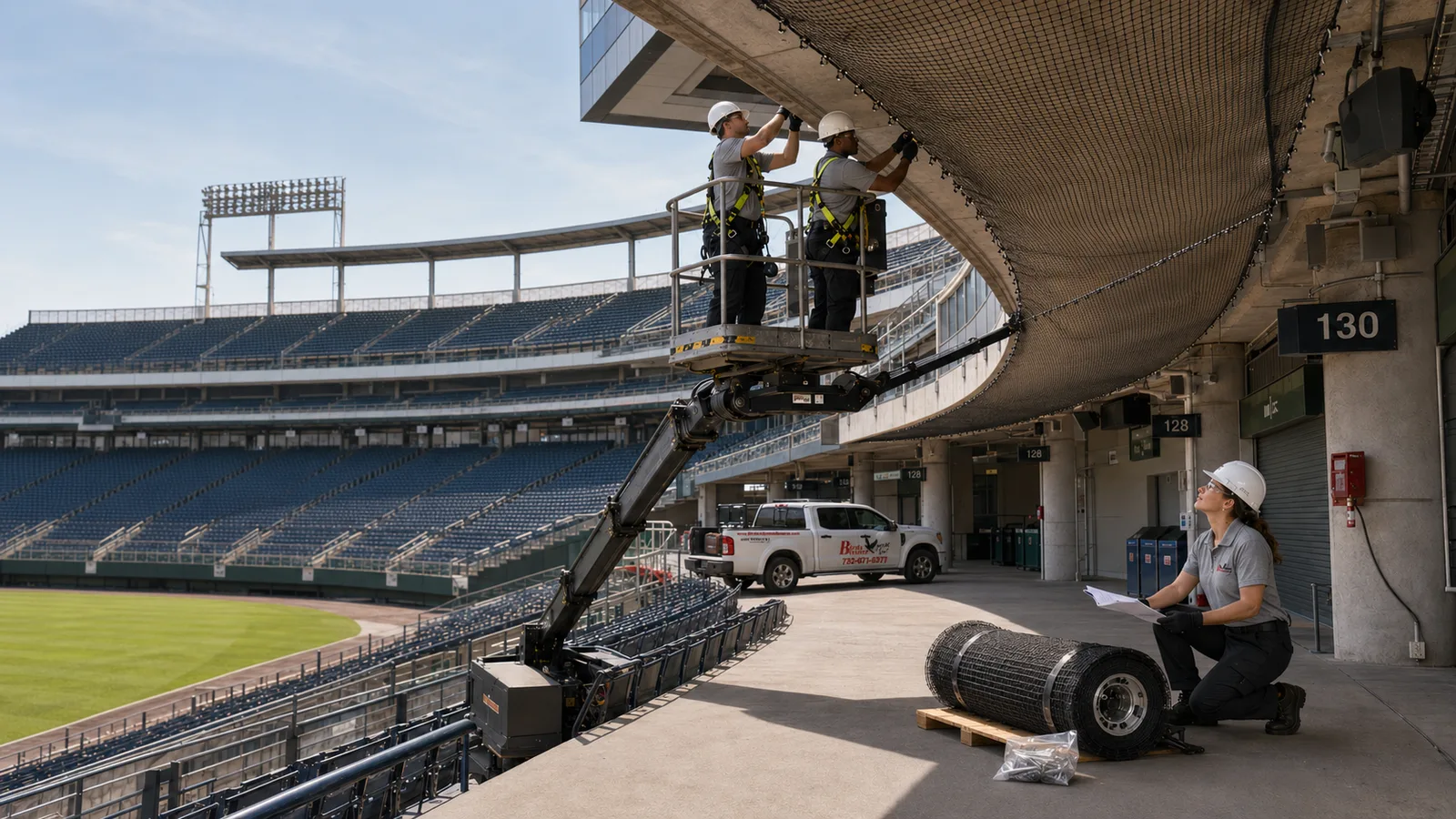
- Bird netting over tipping floors, transfer bays, and processing lines to seal off the airspace entirely.
- Wire-grid systems across open storage yards and container areas where full netting isn't practical.
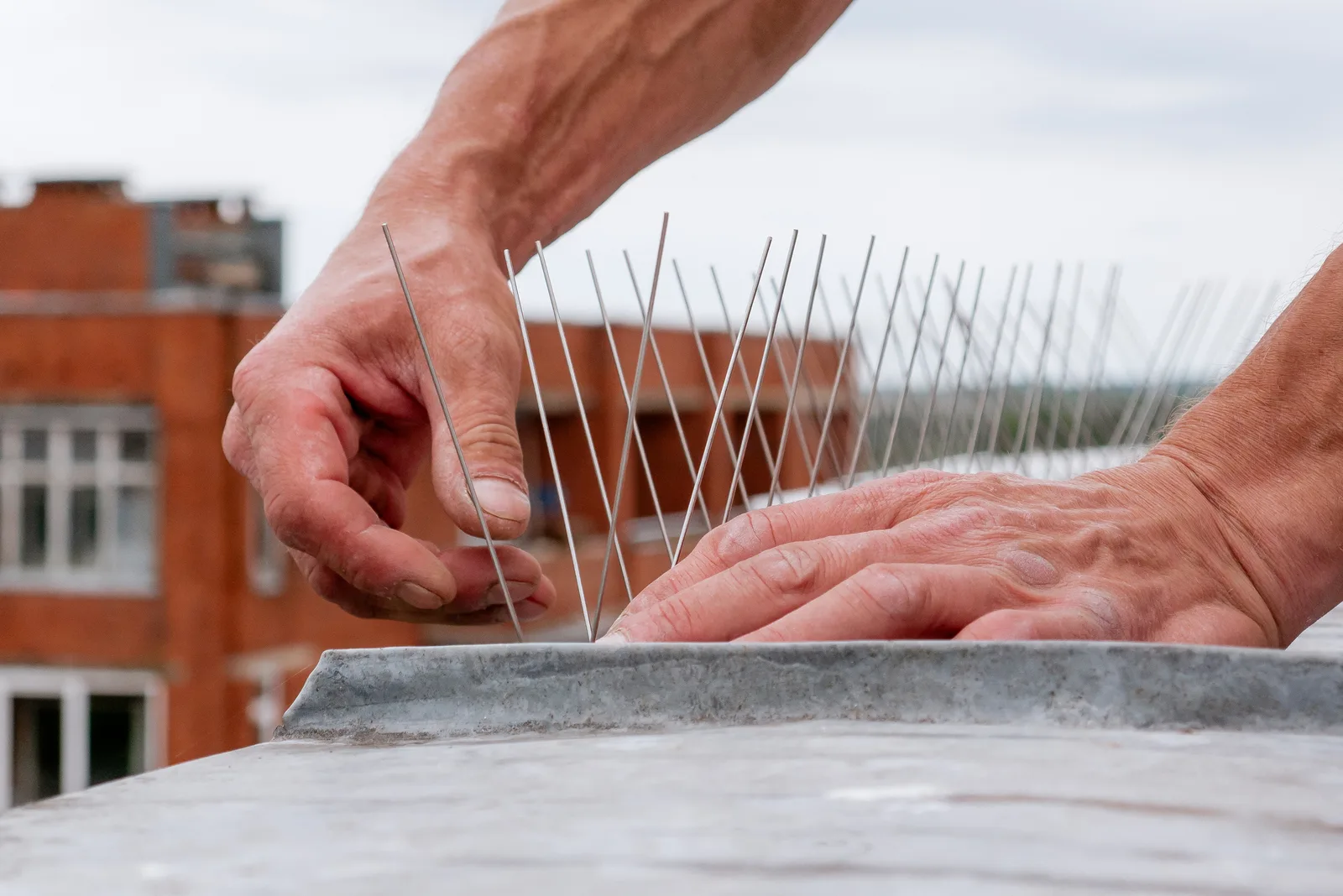
- Bird spikes on beams, rafters, and steel supports inside the processing building.
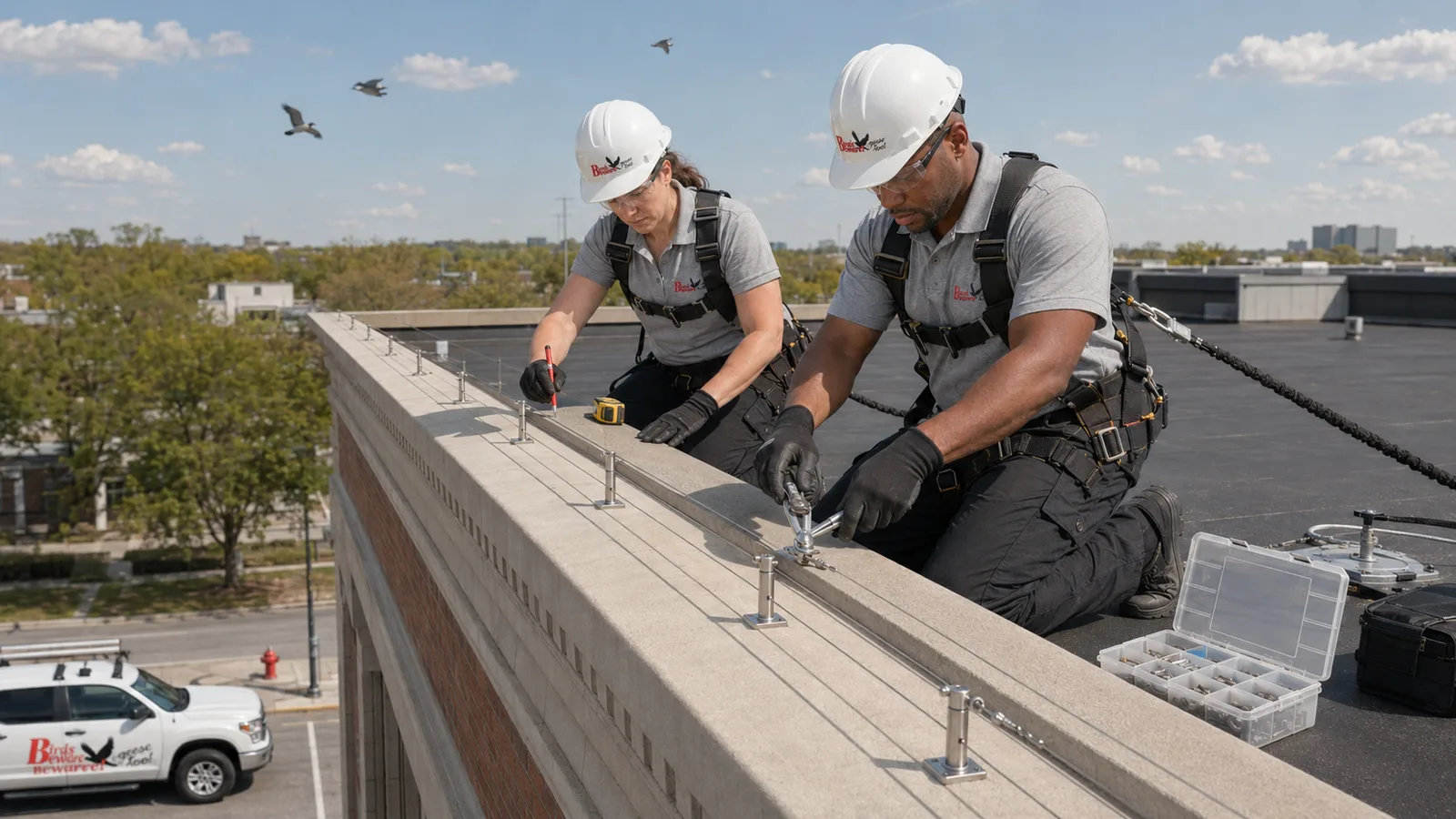
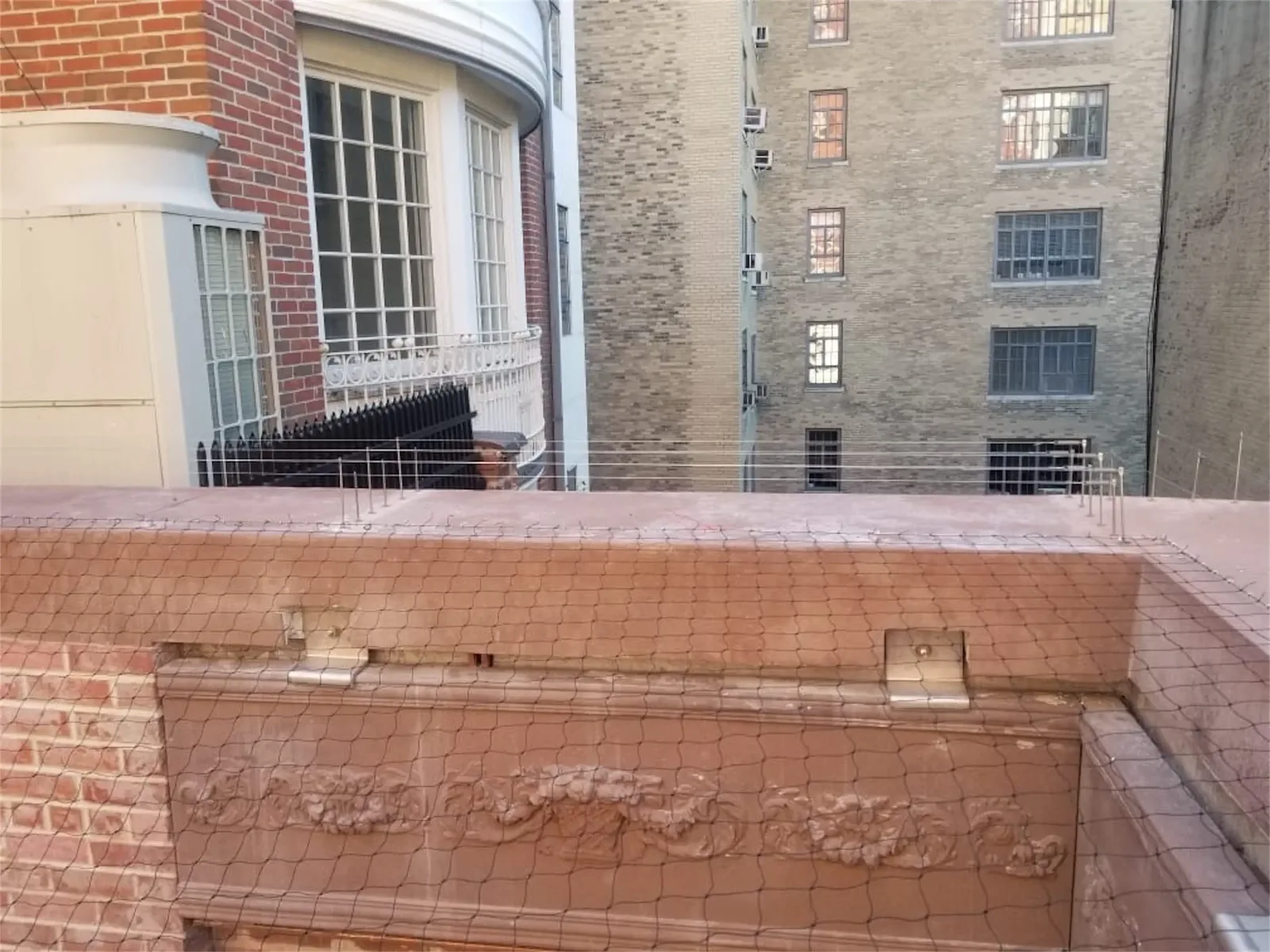
- Shock track along high-pressure roof edges and parapets where birds stage before dropping to the floor below.
- Hard exclusion to close gaps in the building envelope where birds are getting inside at all.
On active facilities we sequence the work around operating hours so material handling isn't interrupted.
See your bird deterrent options
Every facility layout is different, so we scope the install to your tipping floor, sorting lines, and storage yard.
Contamination, safety, and the cost of waiting
A bird problem at a recycling facility touches the operation in ways a typical commercial property never sees. Droppings and feathers can contaminate material bound for resale, birds working conveyor lines can jam or foul equipment, and slick walkways around a heavily used roost create a genuine slip and fall risk for crews moving fast between stations. The longer scavenging birds have run of a tipping floor, the more they train the rest of the flock to follow, which is why we treat established roosts as an operational priority, not a cosmetic one.
How a recycling facility job runs
We build every install around your building's layout and your operating schedule.
- Site survey. We walk the tipping floor, sorting lines, and storage yard to map every access point and roost.
- Matched install. Crews fit netting, wire-grid, spikes, and shock track to the spans and surfaces that need them.
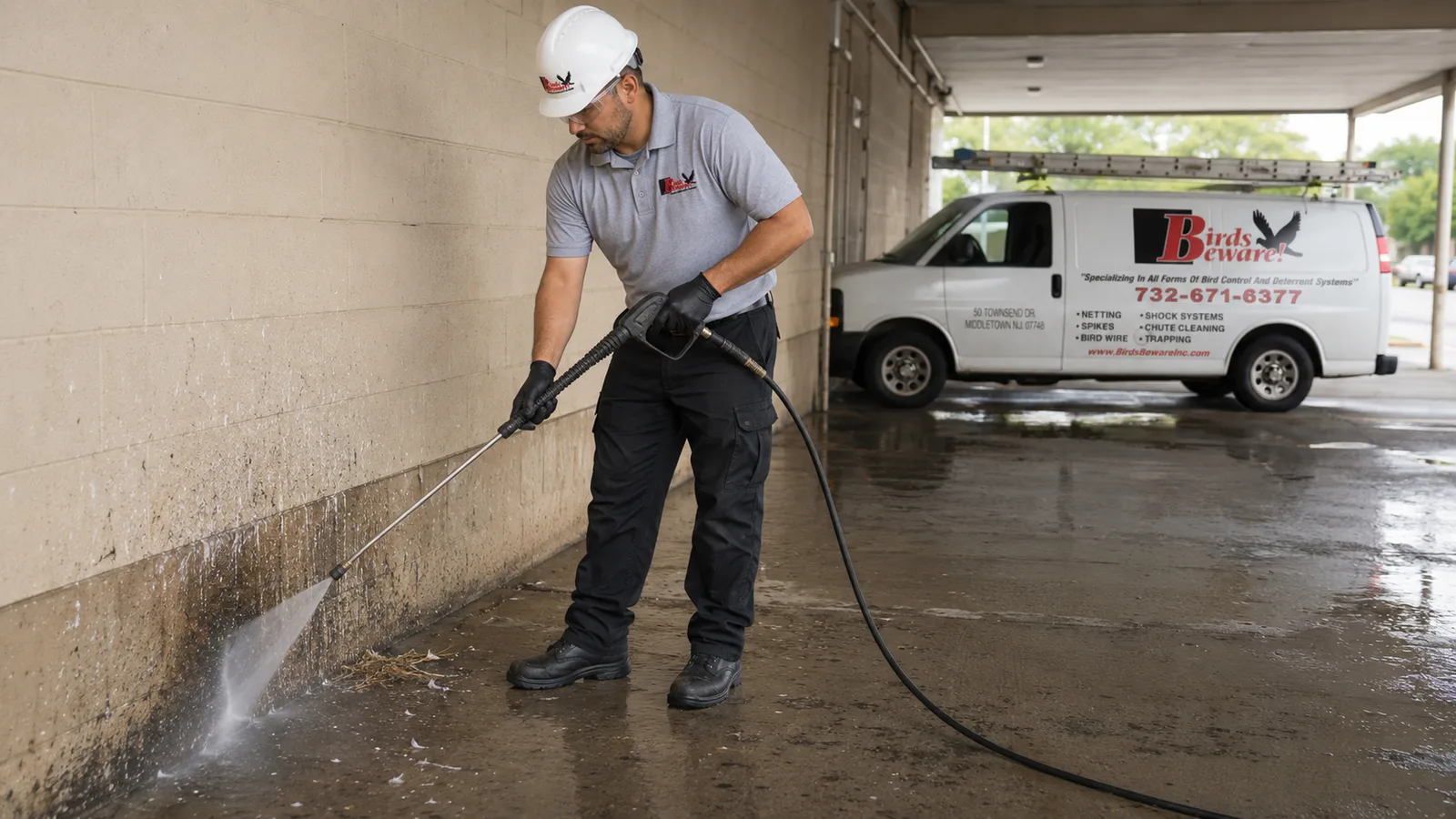
- Cleanup & sanitize. We clear droppings and debris and sanitize affected surfaces before handing the site back.
- Follow-up. We check the install through nesting season, since large open facilities take repeated pressure from local flocks.
Every method is non-lethal and follows federal and state migratory bird protections, so facility managers can document compliance for any audit or inspection.
Related bird control services
Recycling facilities often sit alongside these property types.
Our process for Recycling Facility Bird Control.
Facility Walkthrough
We inspect the property the way the birds use it — rooflines, ledges, loading areas, grounds, and water — and document the pressure points that matter for your type of facility.
Plan Built for Your Operation
The program is designed around your hours, tenants, and compliance needs: humane deterrents and geese management that solve the problem without disrupting the way the facility runs.
Clean Installation & Service
Uniformed, insured crews install deterrents or run goose-control visits on a schedule that works for the site, then clean and disinfect the areas the birds fouled.
Verify & Maintain
We confirm the pressure is gone, report what was done, and keep the property protected with maintenance visits — so the problem stays solved.
Questions we get about recycling facility bird control
Don't see your question? Call the owner directly — we're glad to talk through your property.
Call us(732) 558-2464Bird Control, Species & Deterrents


Site Resources for You
Guides, answers, and company pages — everything else you might need.
Bird Resources
Canada Geese Resources
- Resources for Canada GeeseThe geese knowledge hub.
- Hazing TechniquesHow humane hazing actually works.
- Canada Goose BiologyWhy geese behave the way they do.
- Control MethodsEvery method, and when each applies.
- Geese FAQsCommon questions, straight answers.
- Signs of a Geese InvasionEarly warnings a flock is settling in.
- Geese & Human Health MythsWhat's real and what's exaggerated.
- Property Damage from GeeseTurf, water, and walkway damage explained.
Get in Touch
Choose how to reach us and tell us about your bird or Canada geese problem.