

Tennis Court Canada Geese Control
Tennis Court Geese Control from Birds & Geese Beware. Practical Canada Geese Control planning, FAQs, and service guidance across NJ, NYC, NY, and CT.












Flat, open turf near a pond or lawn is built for geese to graze on between matches. We clear the courts and benches before droppings foul the surrounds for players.
Keeps Courts Playable
Clears droppings from court surrounds, walkways, and player benches near open turf.
Fits Match Schedules
Visits can run between matches so courts stay clear during peak play times.
Safe Around Players
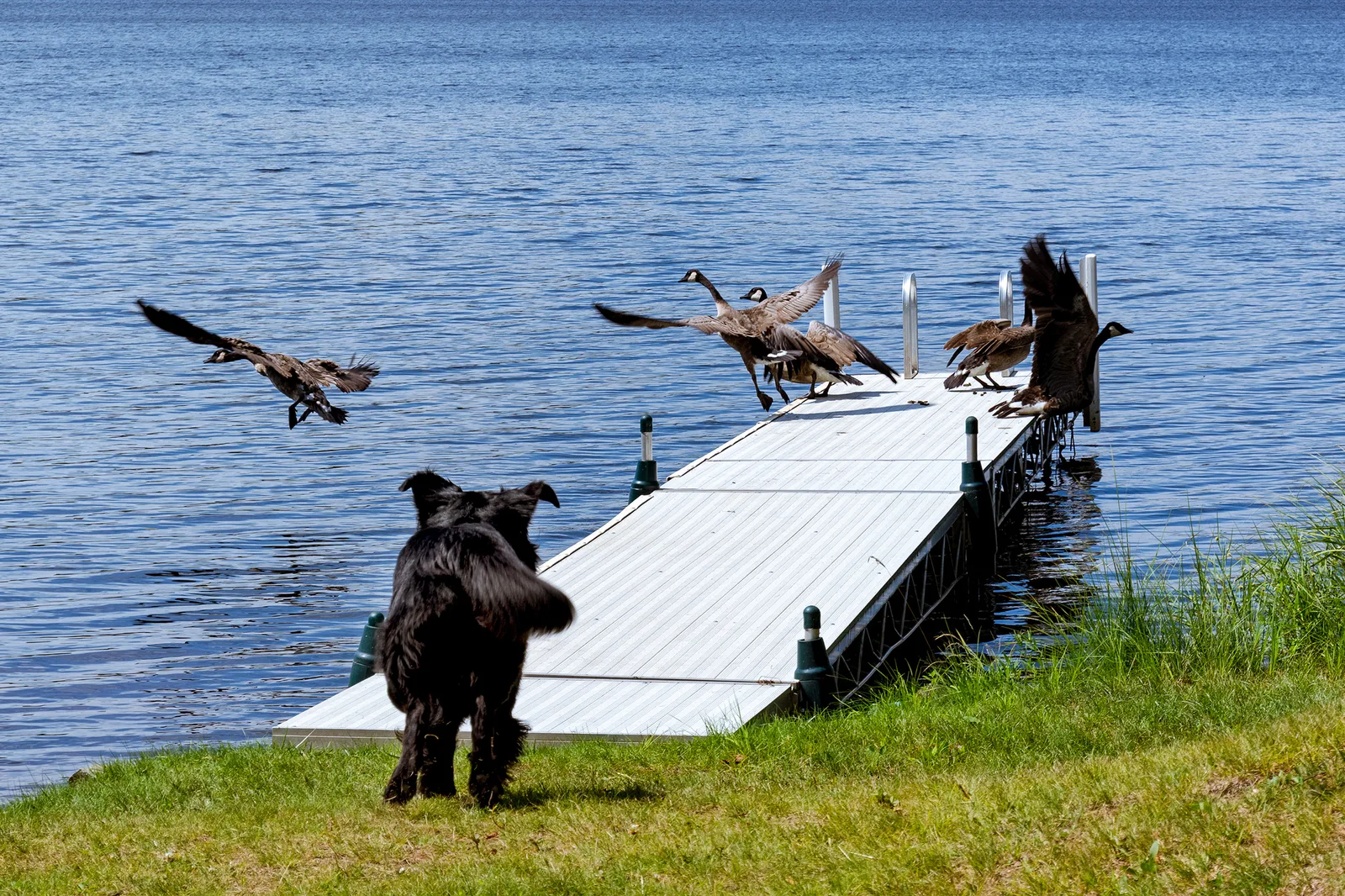
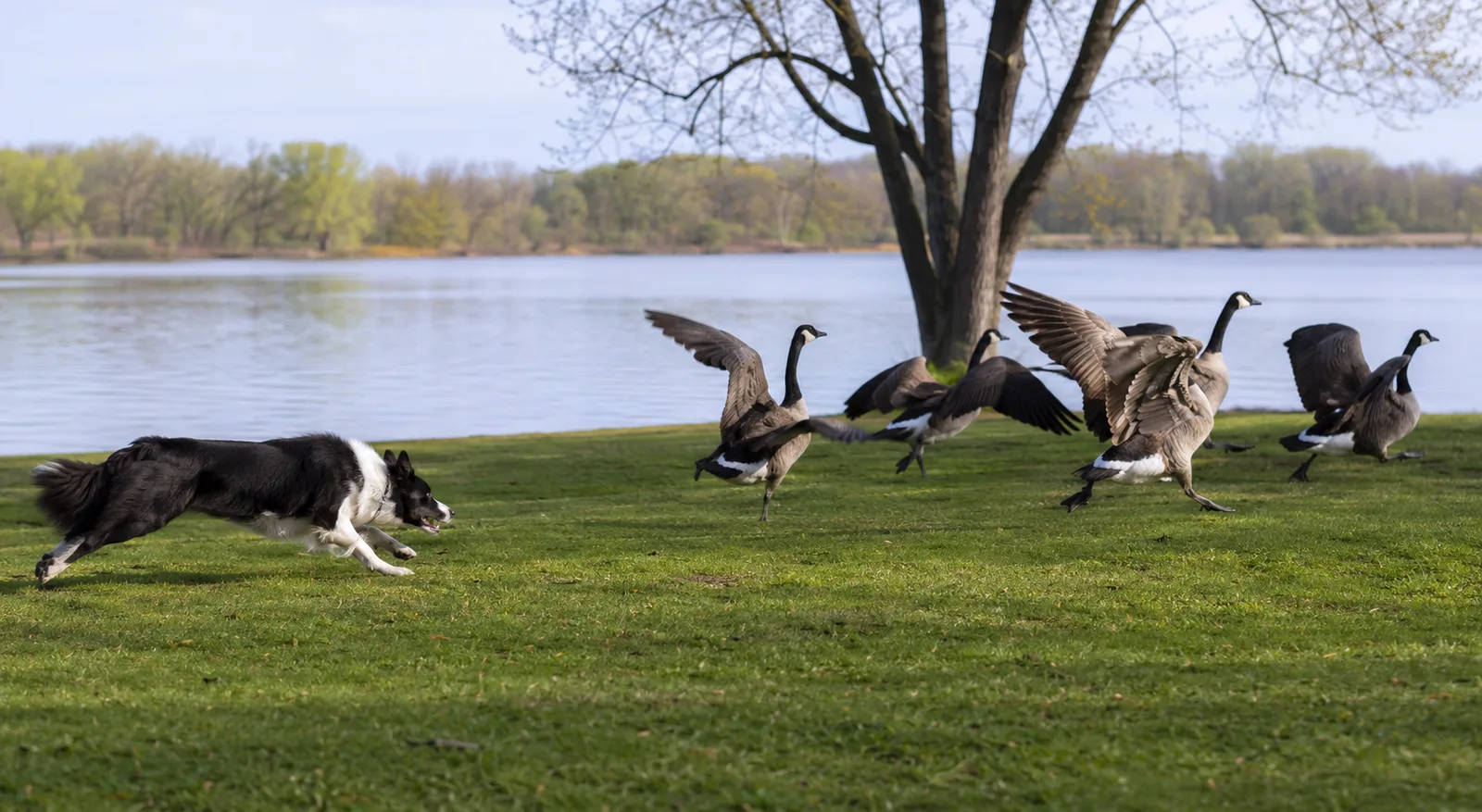
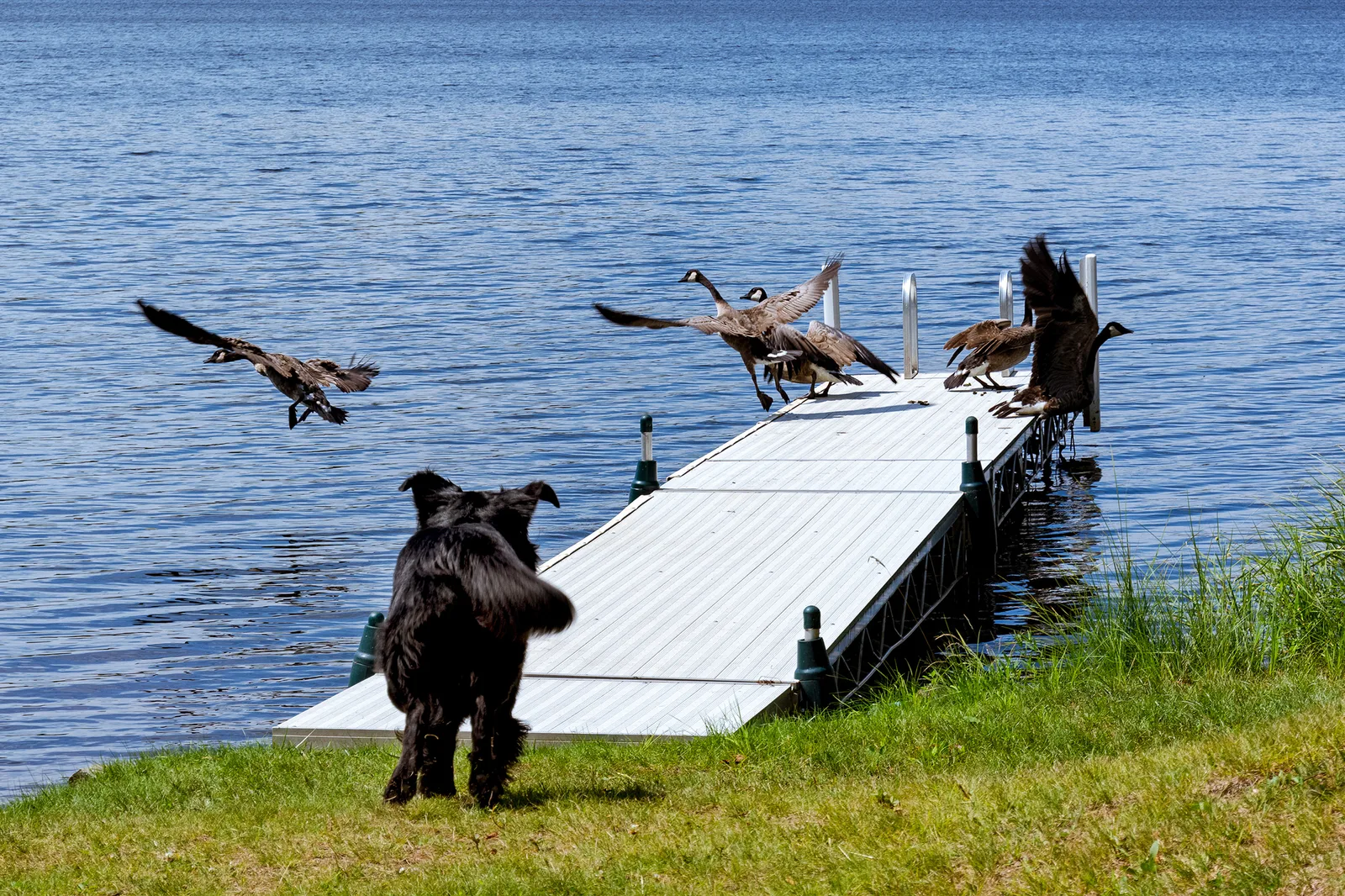
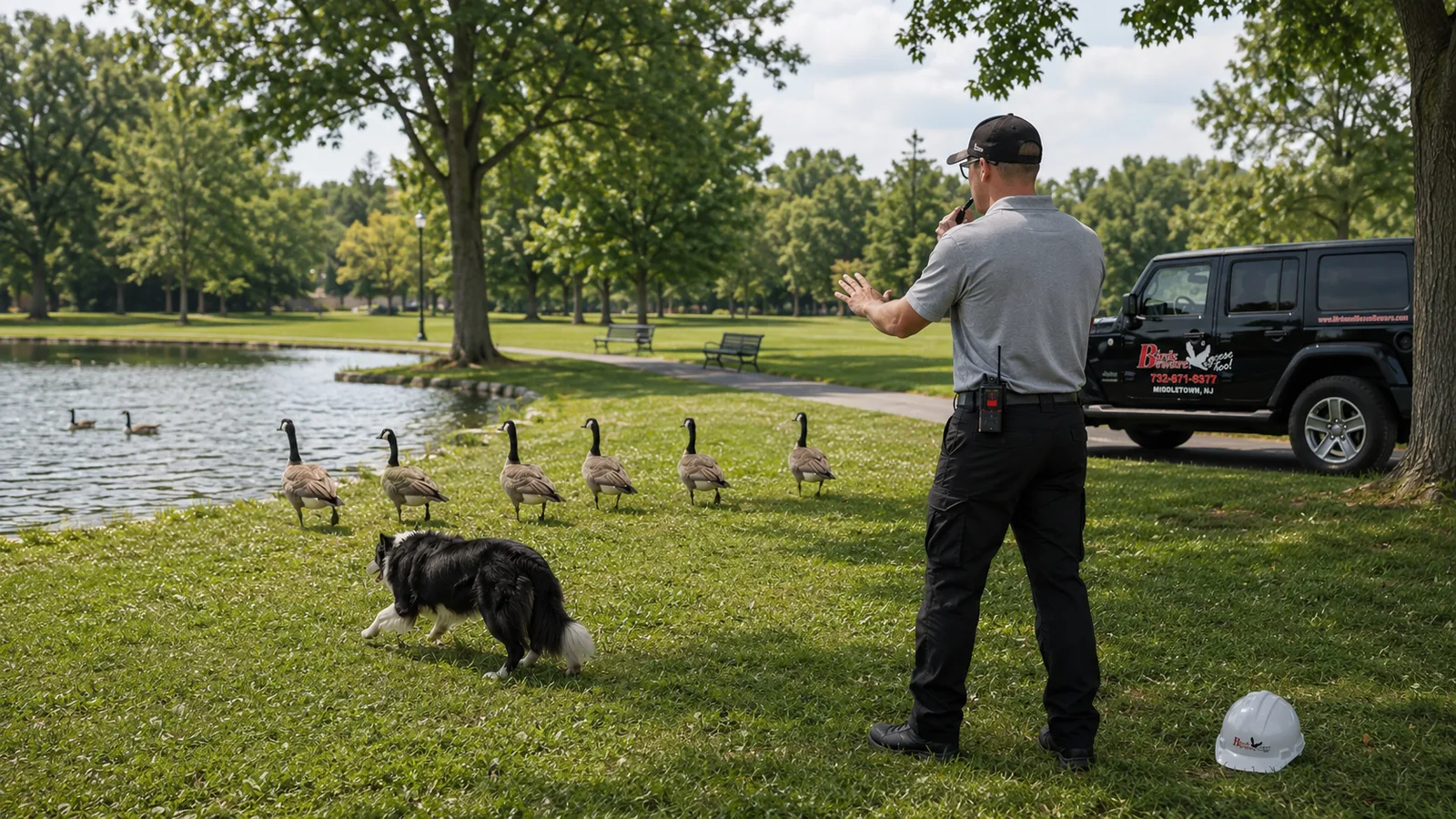
Trained dogs clear the perimeter without traps or chemicals near an active playing surface.
Fewer Defensive Encounters
Reduces nesting-season aggression toward players walking near a claimed spot.
Canada geese control for tennis courts
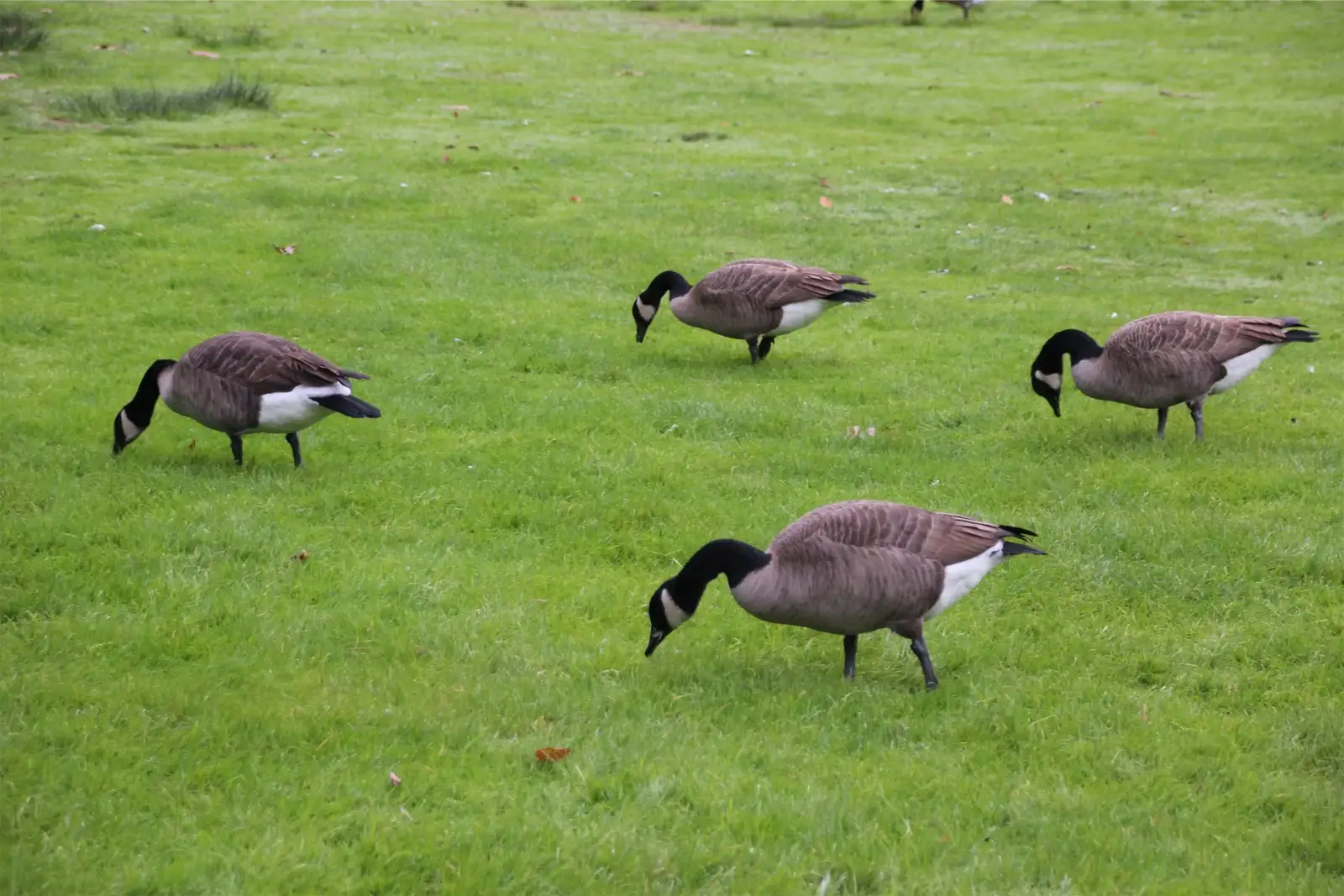
Tennis and pickleball courts sit on the kind of flat, open turf Canada geese are built to graze, usually within a short walk of a pond, retention basin, or lawn that never sees heavy foot traffic between matches. The droppings that follow are more than a nuisance: they foul court surrounds, adjacent walkways, and player benches, and during nesting season geese can become defensive toward anyone who walks near a claimed spot.
Birds & Geese Beware, Inc. has helped clubs, parks departments, and community facilities across New Jersey, New York, and Connecticut keep courts playable since 1991, using methods that never harm the birds.

Why courts draw geese in
Both migratory and resident Canada geese use court complexes, though resident flocks that stay in the area year-round tend to cause the most persistent problems. Courts share a set of conditions that geese favor: short grass nearby, clear sightlines to spot predators, and long stretches of time between matches when the area sits quiet.
- Grass surrounds and buffer lawns adjacent to the courts
- A pond, retention basin, or wetland within easy walking distance
- Low foot traffic during off-peak hours and weekdays
- Nesting sites in nearby landscaping during late winter and spring
A tailored plan for court complexes
We start by walking the property to see where geese graze, rest, and nest relative to the courts, parking, and any water on site. From there we combine several humane methods, since a single tool rarely holds a flock off for long.
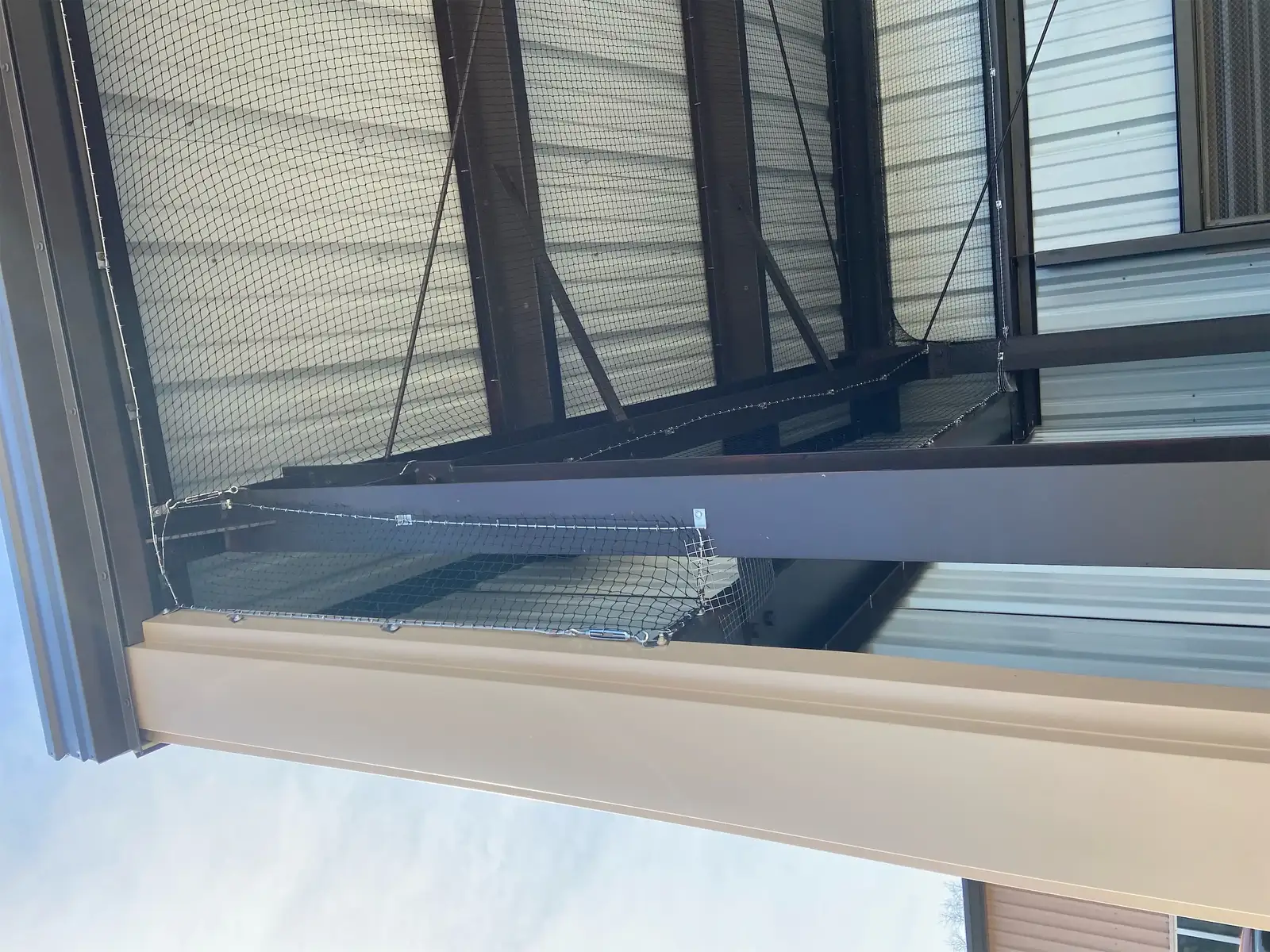
See your tennis and court complex deterrent options
We schedule visits around league play, tournaments, and peak court hours.
Timing service to the goose calendar
Goose pressure at court complexes shifts through the year. Nesting season, late winter into early spring, is when resident pairs claim ground near a court's edge or a nearby pond, and it is the best window for a concentrated Initial Clearing Program to keep a pair from settling in for the year. During the summer molt, adult geese are flightless for several weeks and settle on the safest open turf available, which can turn a quiet court complex into a temporary refuge for a larger flock than usual, right as summer league play picks up. Migratory flocks passing through in fall can briefly add to whatever resident geese are already using the site.
Clubs and parks departments that share their league and tournament calendar with us get service scheduled around it, rather than a flat weekly visit that may not line up with when pressure is actually highest.
Humane, permitted, and reliable
Canada geese are protected under the federal Migratory Bird Treaty Act, and every step of a control program, Border Collie visits and habitat changes, is fully compliant with federal and state wildlife rules. We never harm geese; our dogs never make contact with a bird, and the goal is always to make courts and their surrounds feel unsafe to settle on. For clubs and parks departments with a recurring flock, a standing Maintenance Program through spring nesting season keeps new arrivals from establishing before they become a pattern players notice.
Our process for Tennis Court Canada Geese Control.
Facility Walkthrough
We inspect the property the way the geese use it — rooflines, ledges, loading areas, grounds, and water — and document the pressure points that matter for your type of facility.
Plan Built for Your Operation
The program is designed around your hours, tenants, and compliance needs: humane deterrents and geese management that solve the problem without disrupting the way the facility runs.
Clean Installation & Service
Uniformed, insured crews install deterrents or run goose-control visits on a schedule that works for the site, then clean and disinfect the areas the geese fouled.
Verify & Maintain
We confirm the pressure is gone, report what was done, and keep the property protected with maintenance visits — so the problem stays solved.
Questions we get about geese control at tennis courts
Don't see your question? Call the owner directly — we're glad to talk through your property.
Call us(732) 558-2464Canada Geese Control & Deterrents
Canada Geese Control & Removal
The full humane program: dogs, hazing, and habitat pressure.
View serviceGoose-Chasing Dogs
Trained border collies that teach flocks to move on.
View service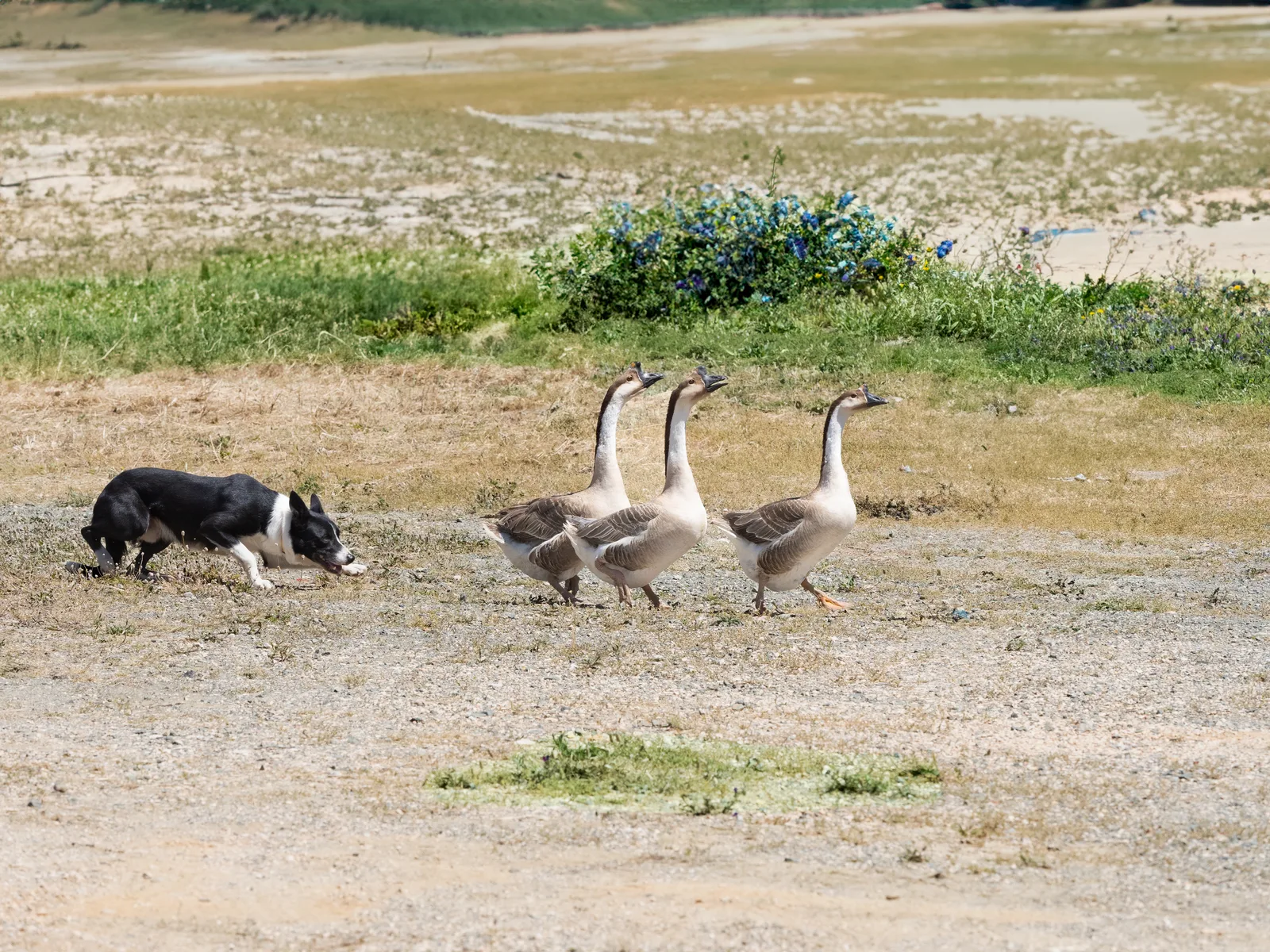
Single Clearing Services
One-time clearing for events, closings, and inspections.
View serviceMaintenance Programs
Scheduled visits that keep cleared properties clear.
View service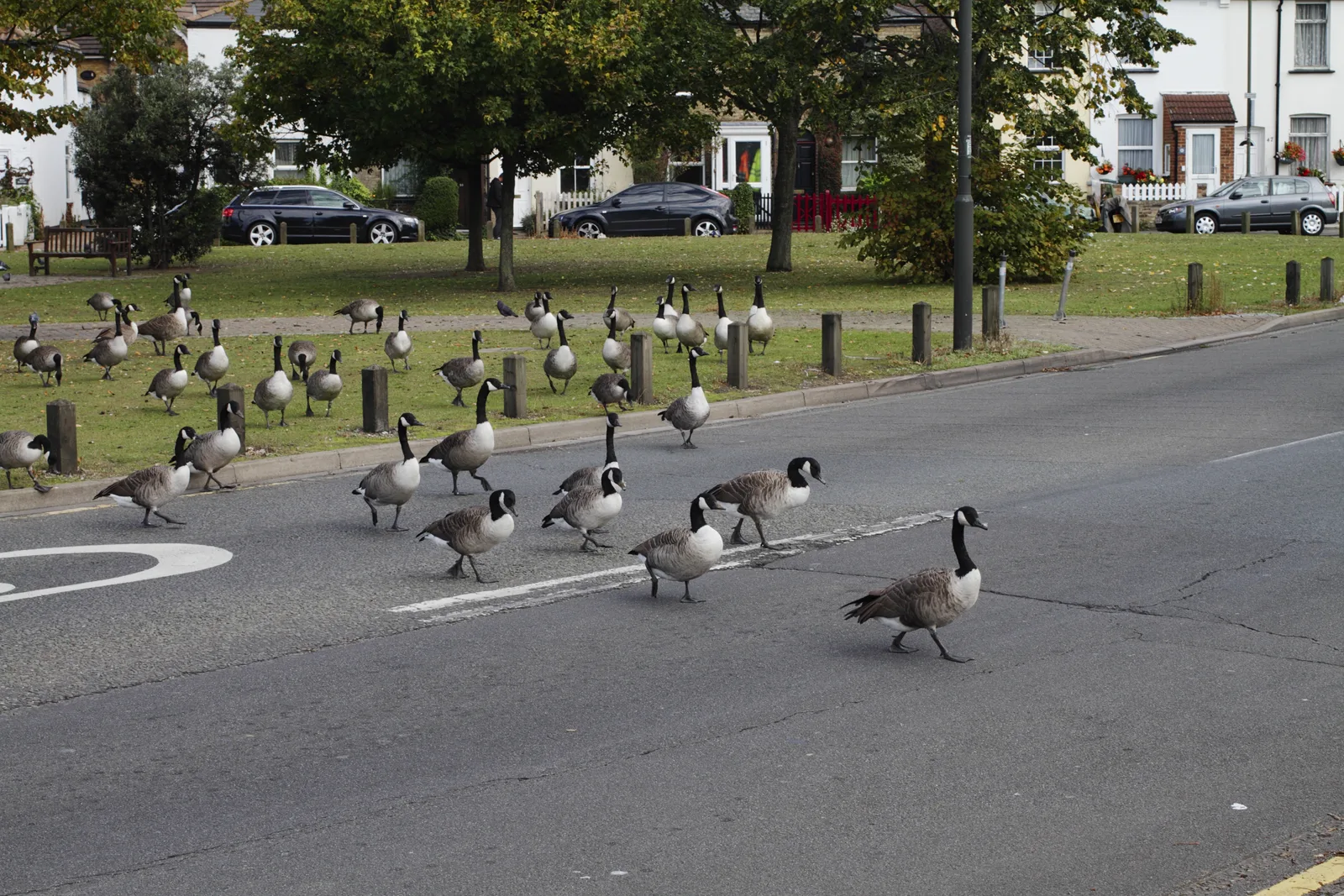
Emergency Services
Rapid response when geese take over overnight.
View service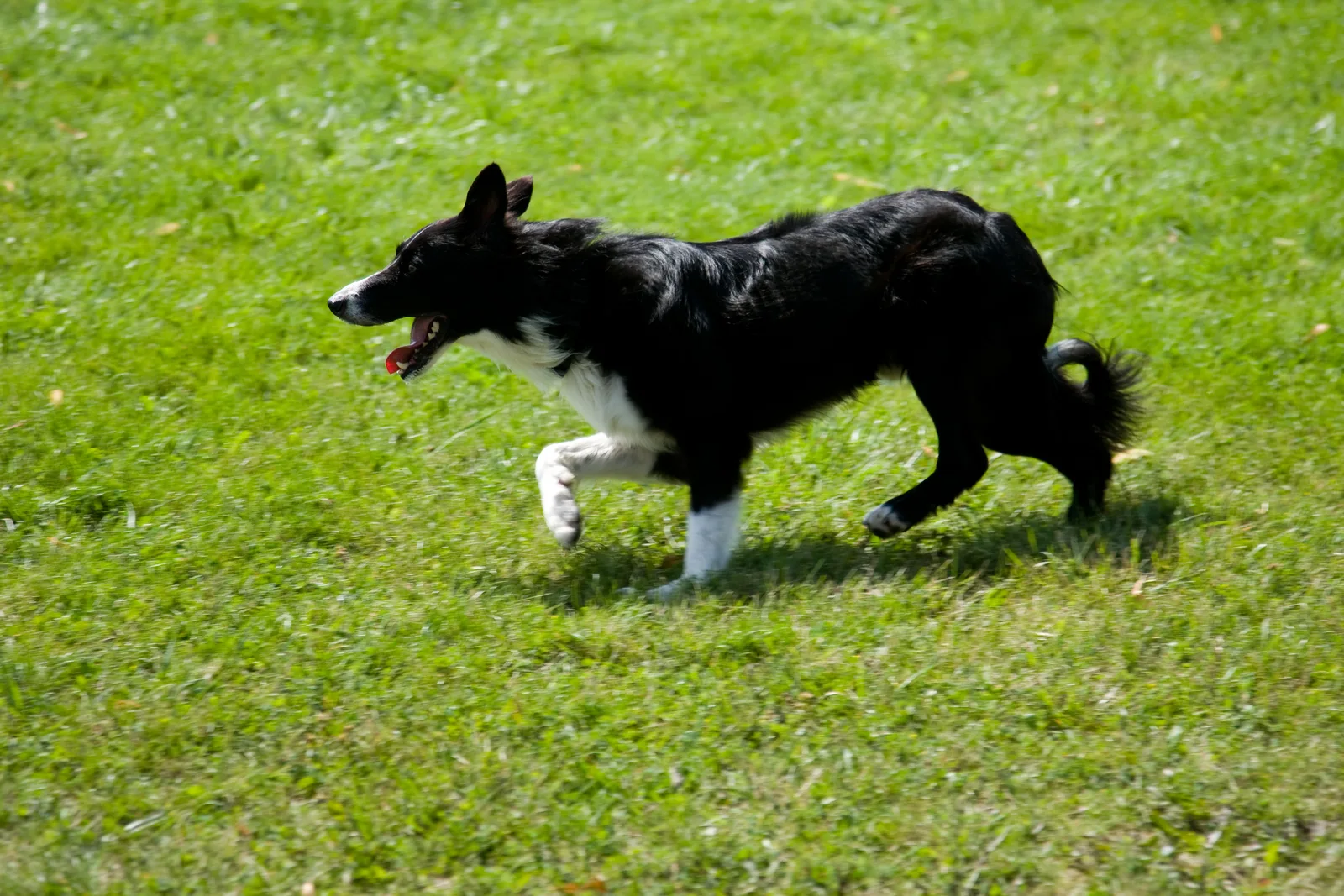
Behavioral Modification
Breaking the site-loyalty habit that brings flocks back.
View serviceHabitat Modification
Removing the food and nesting cover geese look for.
View service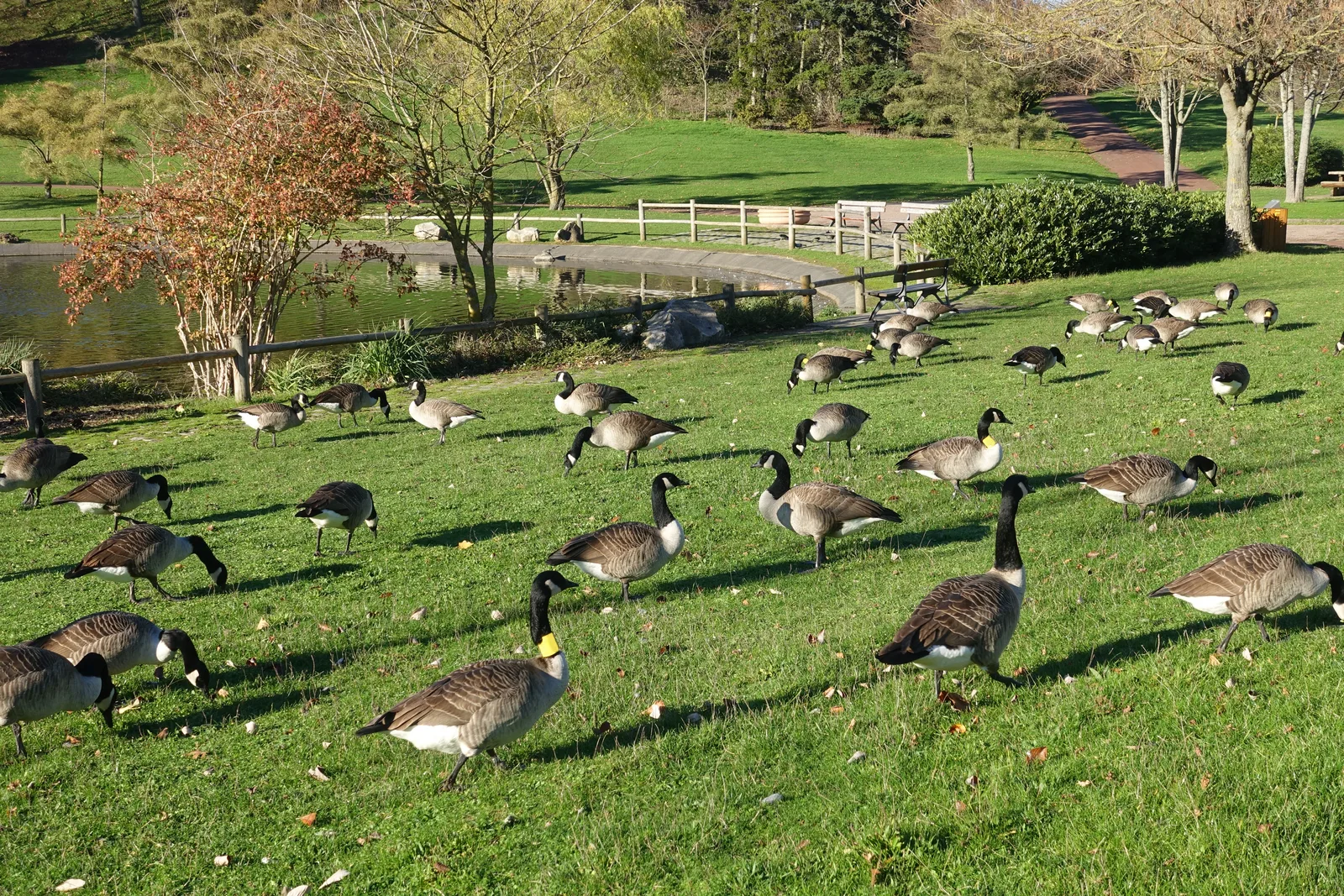
All Geese Deterrents
Every non-lethal deterrent we deploy, compared.
View service
Nuisance Bird Species
Also have birds? Every species we control and deter.
View serviceCustomers We Serve
Site Resources for You
Guides, answers, and company pages — everything else you might need.
Bird Resources
Canada Geese Resources
- Resources for Canada GeeseThe geese knowledge hub.
- Hazing TechniquesHow humane hazing actually works.
- Canada Goose BiologyWhy geese behave the way they do.
- Control MethodsEvery method, and when each applies.
- Geese FAQsCommon questions, straight answers.
- Signs of a Geese InvasionEarly warnings a flock is settling in.
- Geese & Human Health MythsWhat's real and what's exaggerated.
- Property Damage from GeeseTurf, water, and walkway damage explained.
Get in Touch
Choose how to reach us and tell us about your bird or Canada geese problem.