

Waste Management Facility Bird Control
Waste Management Bird Control from Birds & Geese Beware. Practical bird control planning, FAQs, and service guidance across NJ, NYC, NY, and CT.












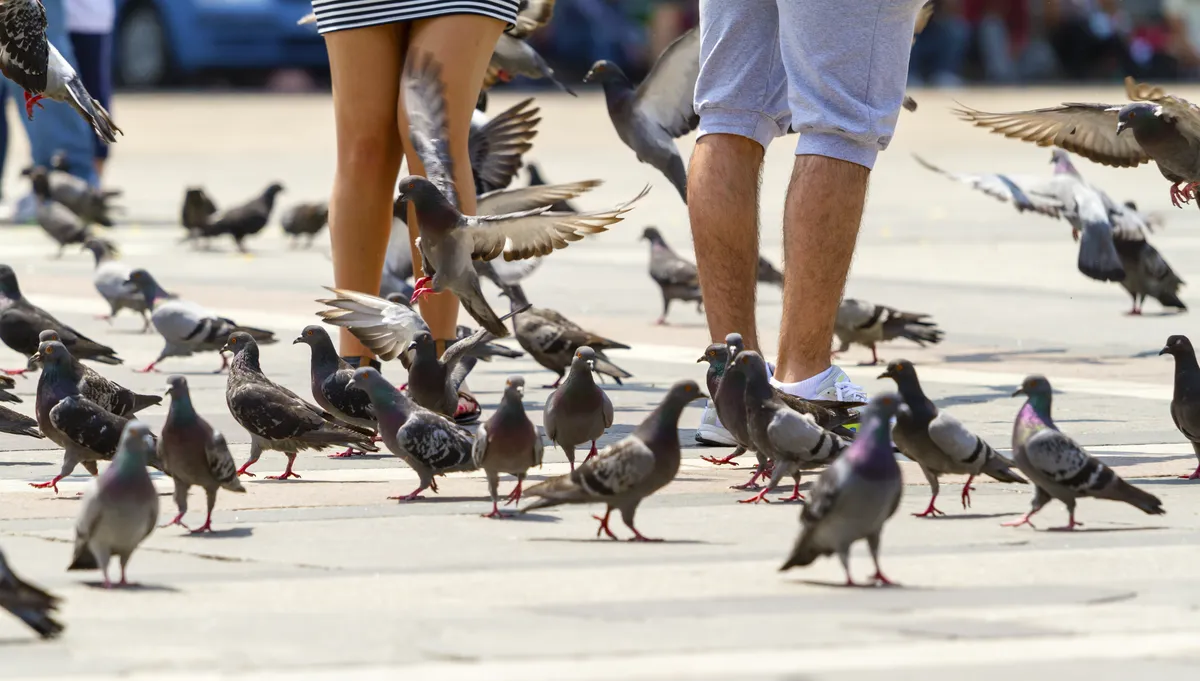
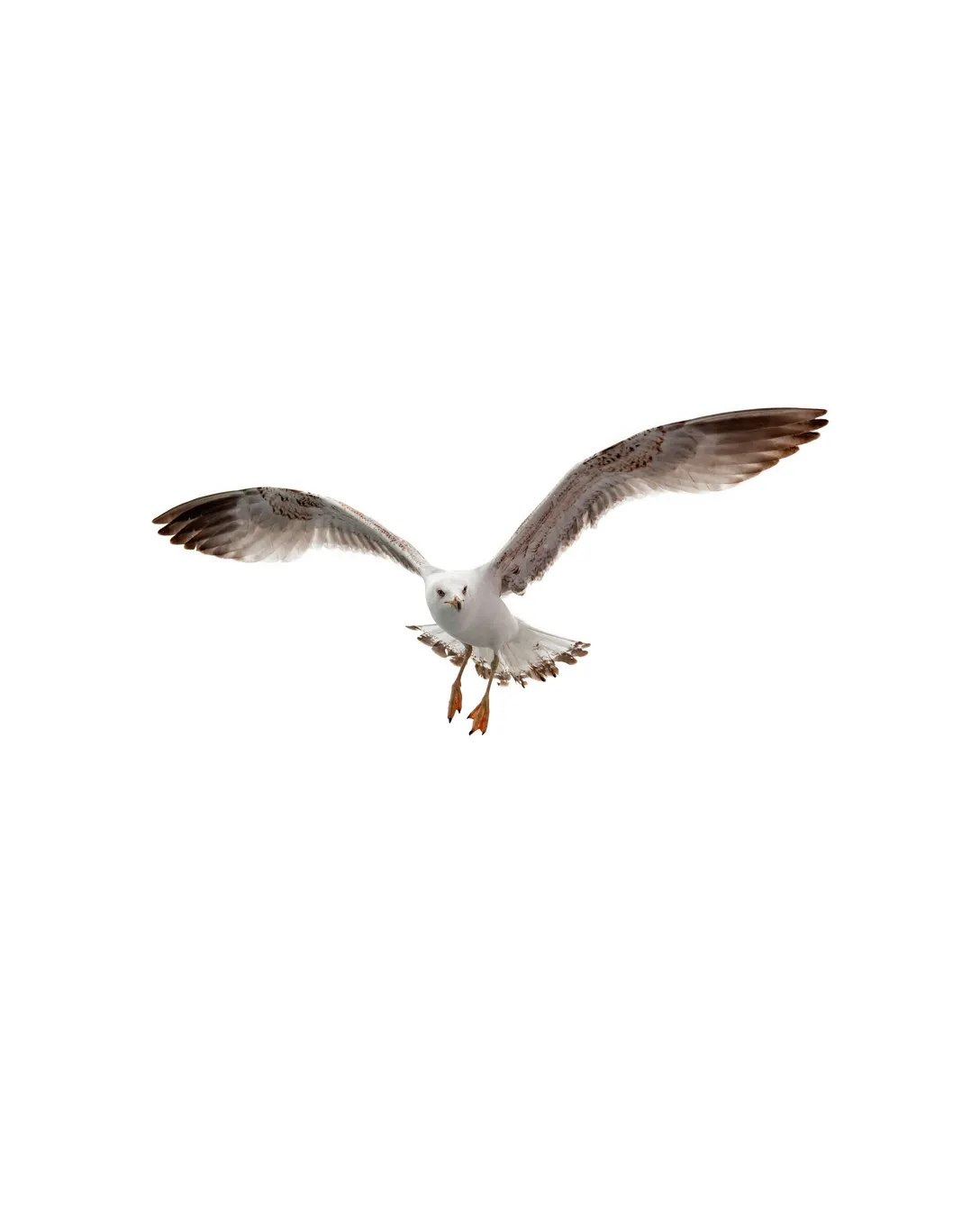
Transfer stations and landfills draw dense gull flocks looking for an easy meal. We reduce roosting around tipping floors and equipment without slowing operations.
Tipping Floor & Equipment Exclusion
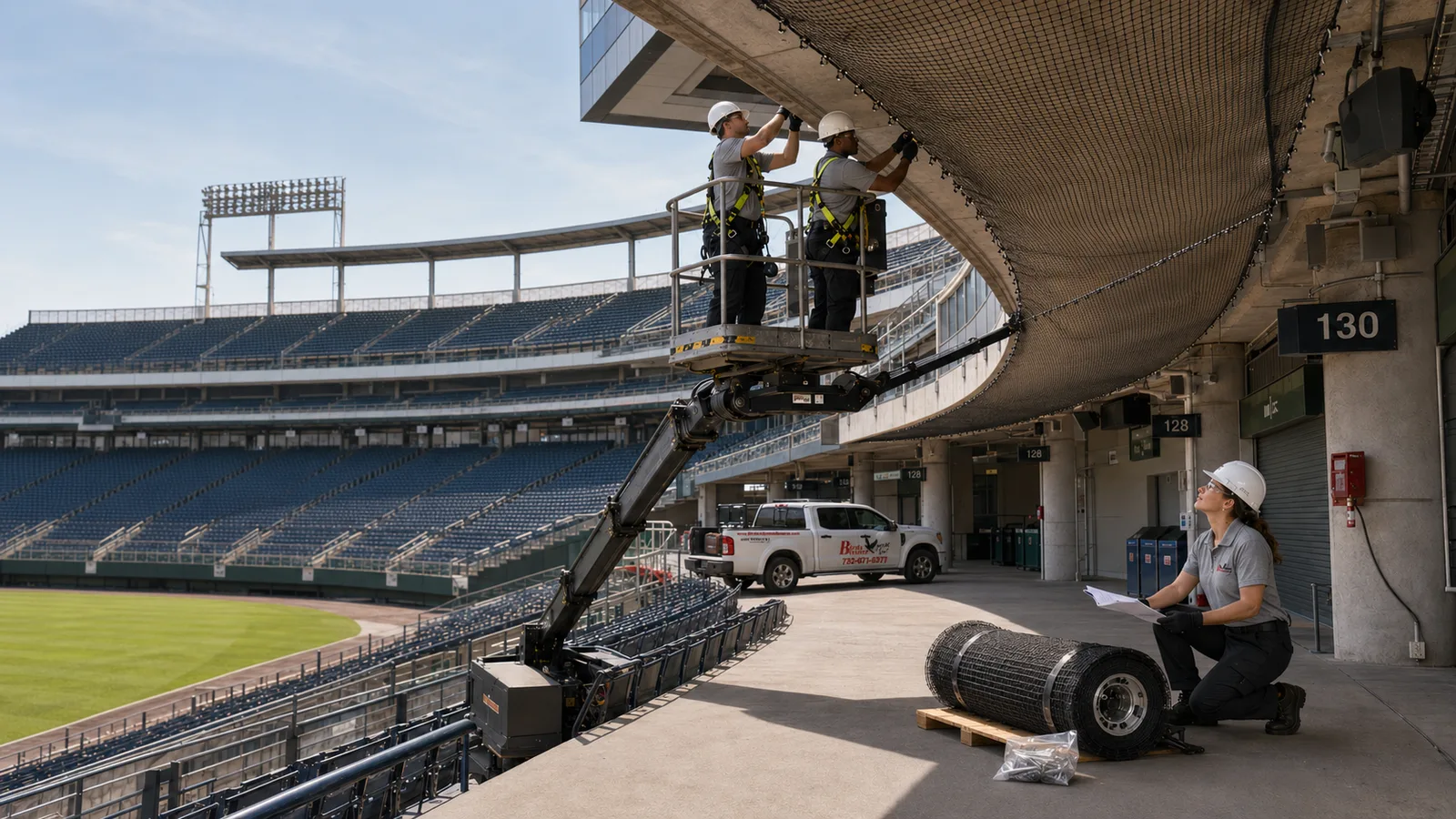
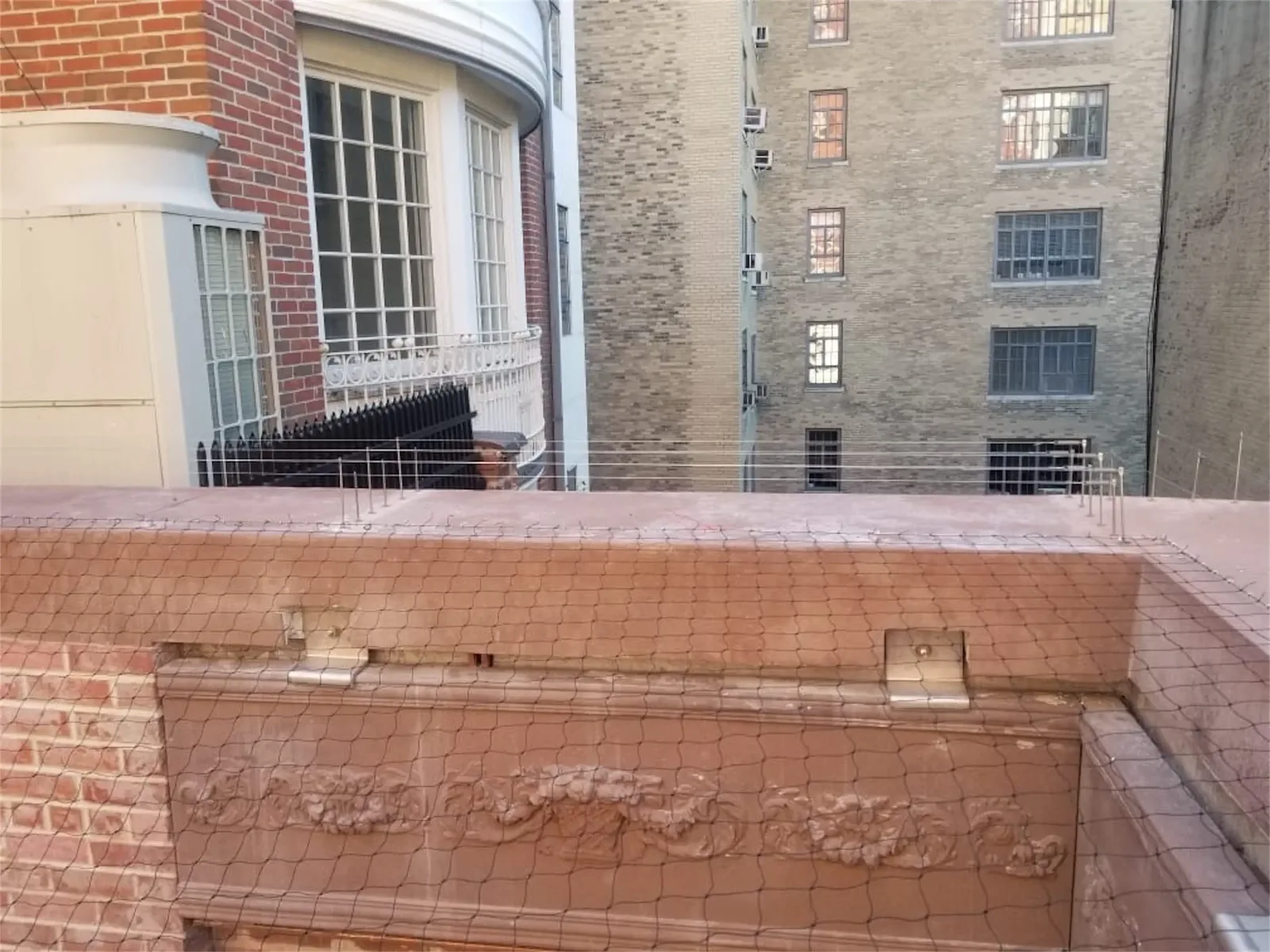
Netting and wire fitted to rafters, canopies, and equipment housings above active waste areas.
Vehicle & Equipment Protection
Exclusion keeps corrosive droppings off trucks, compactors, and stationary equipment.
Operations-Safe Scheduling
Work planned around active dumping and truck traffic patterns.
Facility-Wide Assessment
Full walkthrough identifies every access point before quoting a plan.
Bird control for waste management facilities & transfer stations
Open refuse is the single strongest bird attractant there is, which makes waste management facilities, transfer stations, and landfills some of the toughest bird pressure we see. Gulls in particular treat an active tipping floor as an open buffet, arriving in numbers that follow trucks in from the road and scatter across active work zones.
Birds & Geese Beware, Inc. has managed bird pressure at waste facilities across New Jersey, New York, and Connecticut since 1991. We focus on the structures around the operation, tipping floor canopies, transfer buildings, and perimeter fencing, to reduce the scavenging pressure that follows an open waste stream.
Why waste facilities draw such heavy pressure
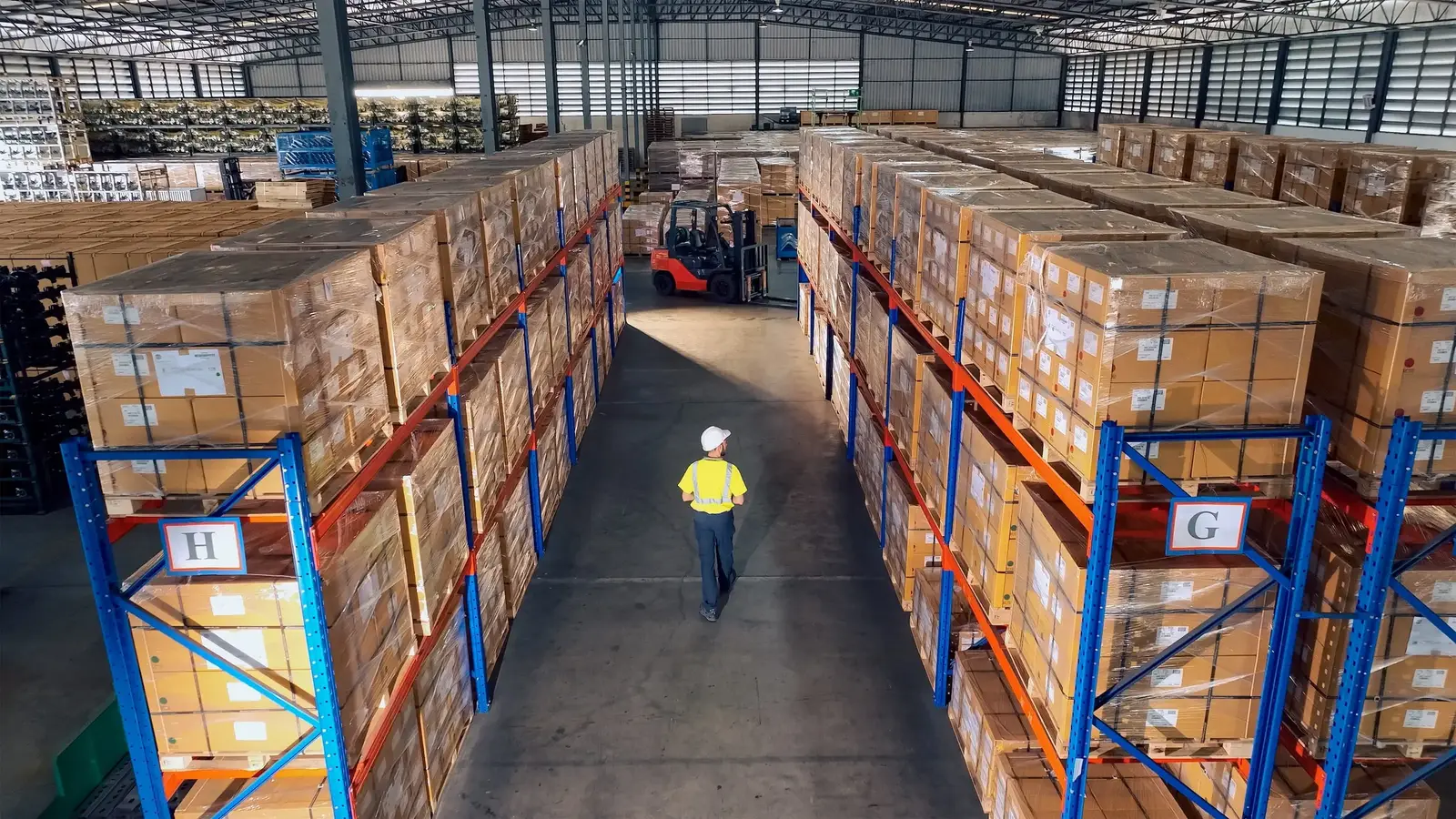
The scale of the food source at a transfer station or landfill is different from almost any other commercial site.
- Tipping floor canopies and transfer building structures
- Perimeter fencing and equipment storage buildings
- Rooflines and beams above active sorting areas
- Open working faces where gulls and pigeons scavenge in large flocks
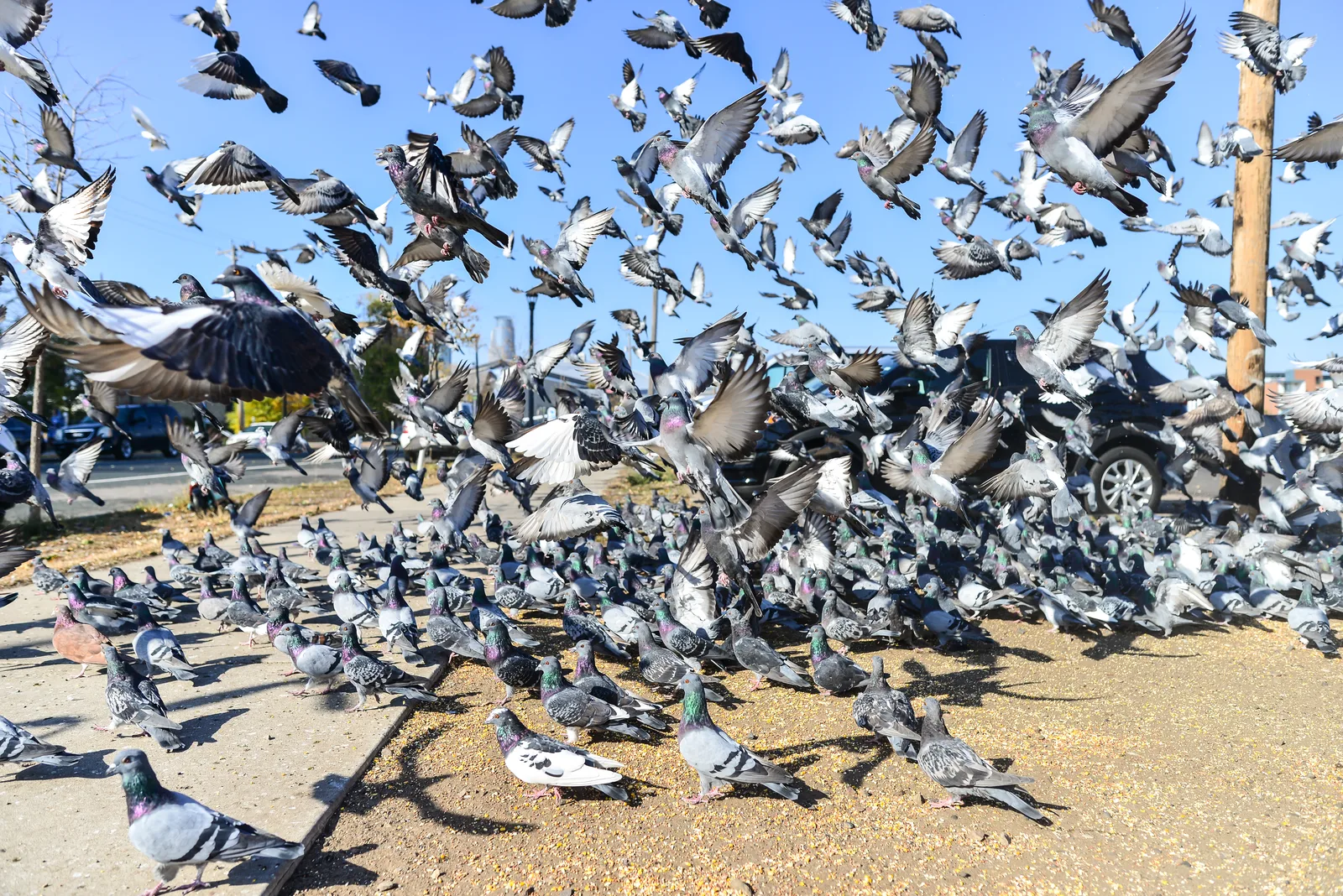
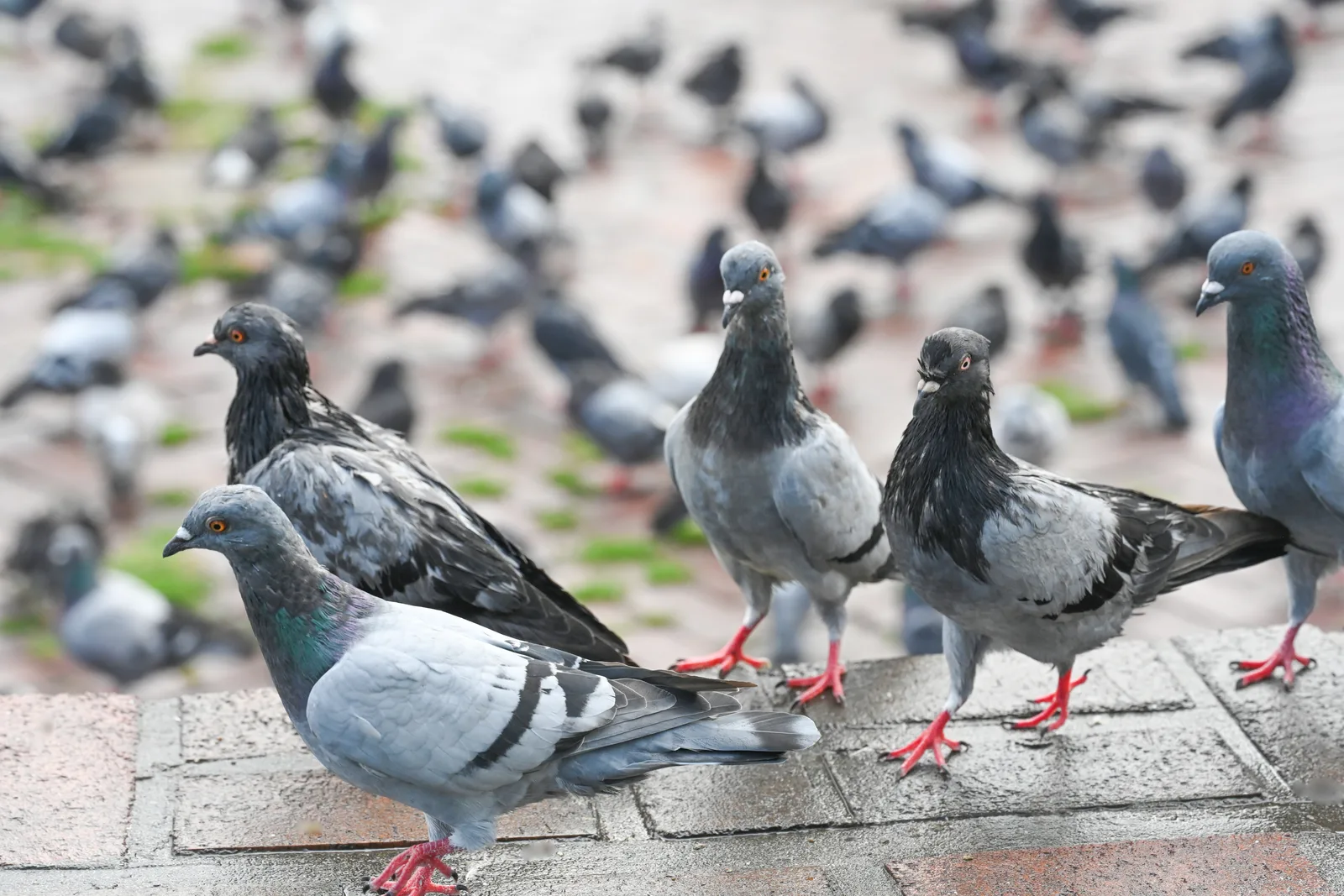
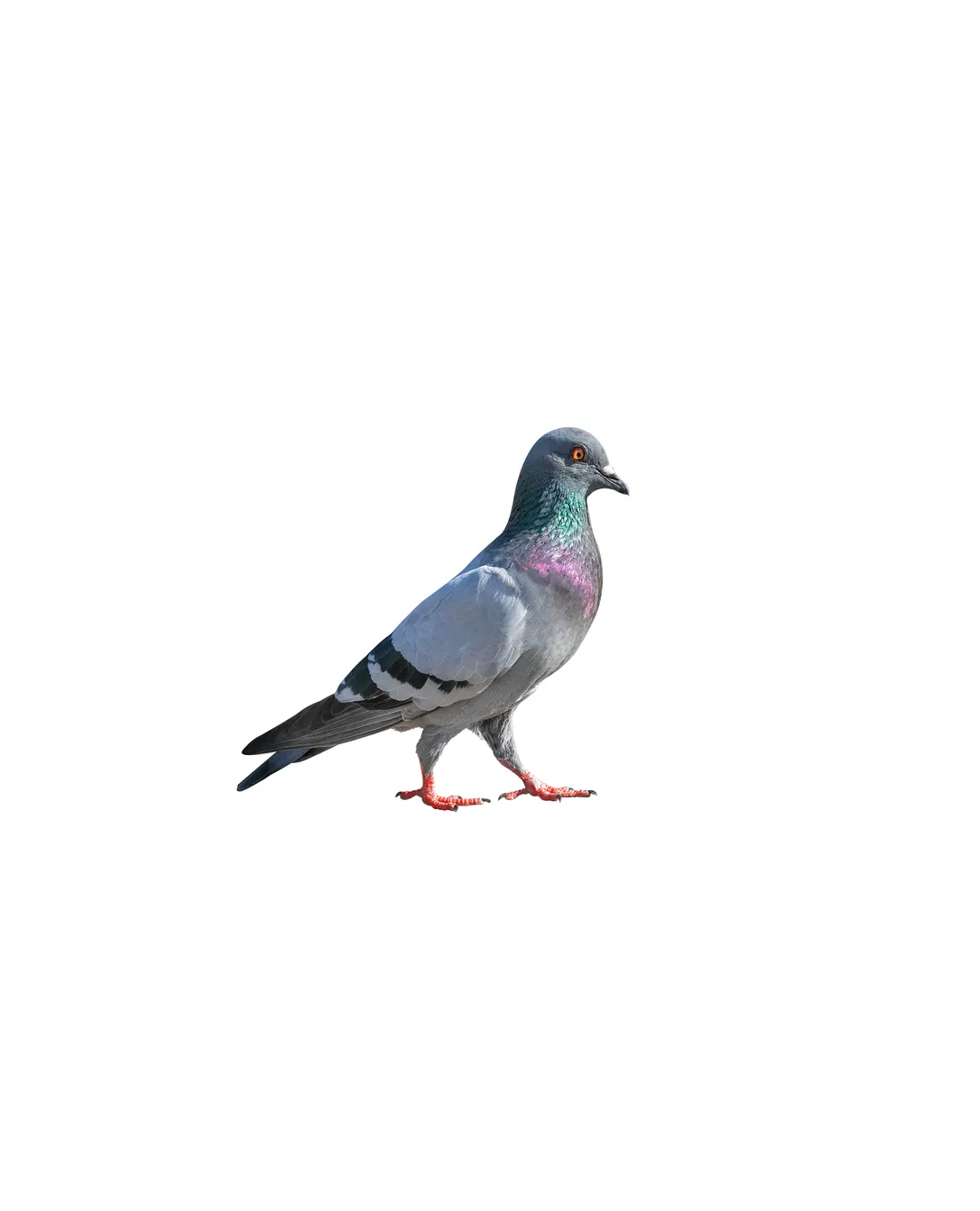
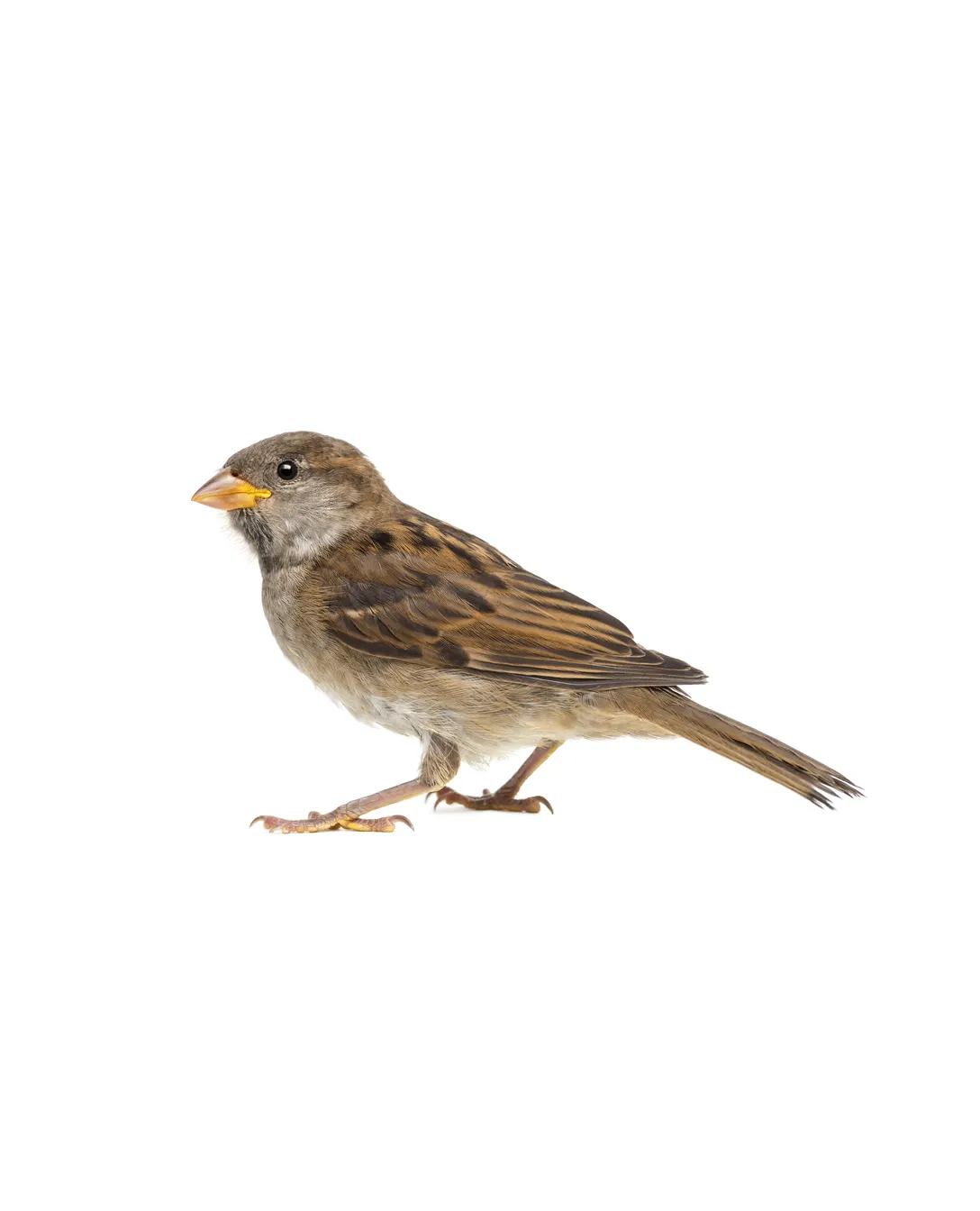
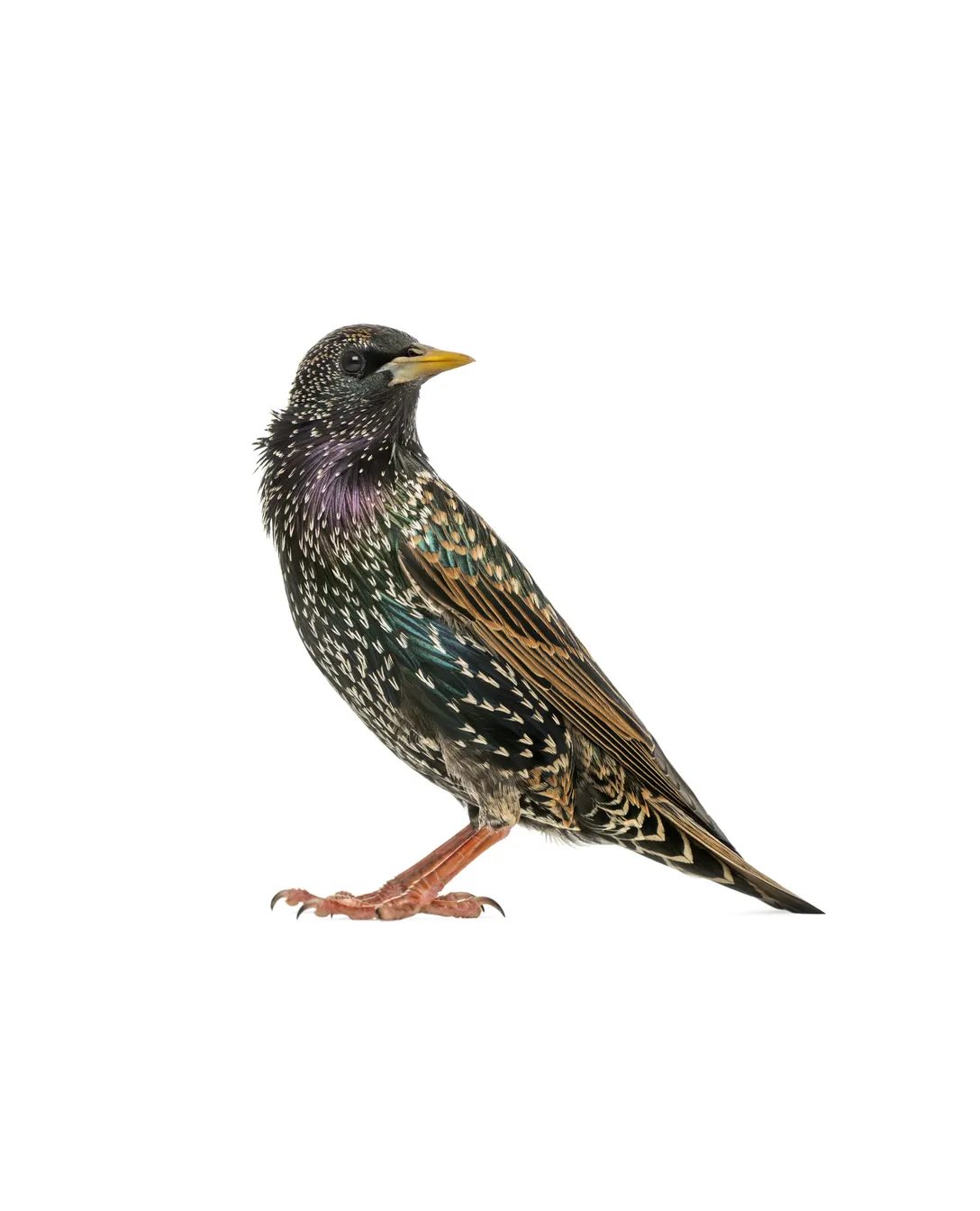
Gulls, pigeons, and starlings will follow an active waste stream in numbers that scale with the volume coming through the facility, and scavenging birds carry contamination between the working face and everywhere else they land.
Landfill operators in particular deal with a moving target, since the active face shifts across the site as cells fill and close. A deterrent plan built around the surrounding structures, scale houses, maintenance buildings, and perimeter fencing, holds up better over time than one aimed only at wherever the working face happens to sit this month.
Deterrents for high-volume waste operations
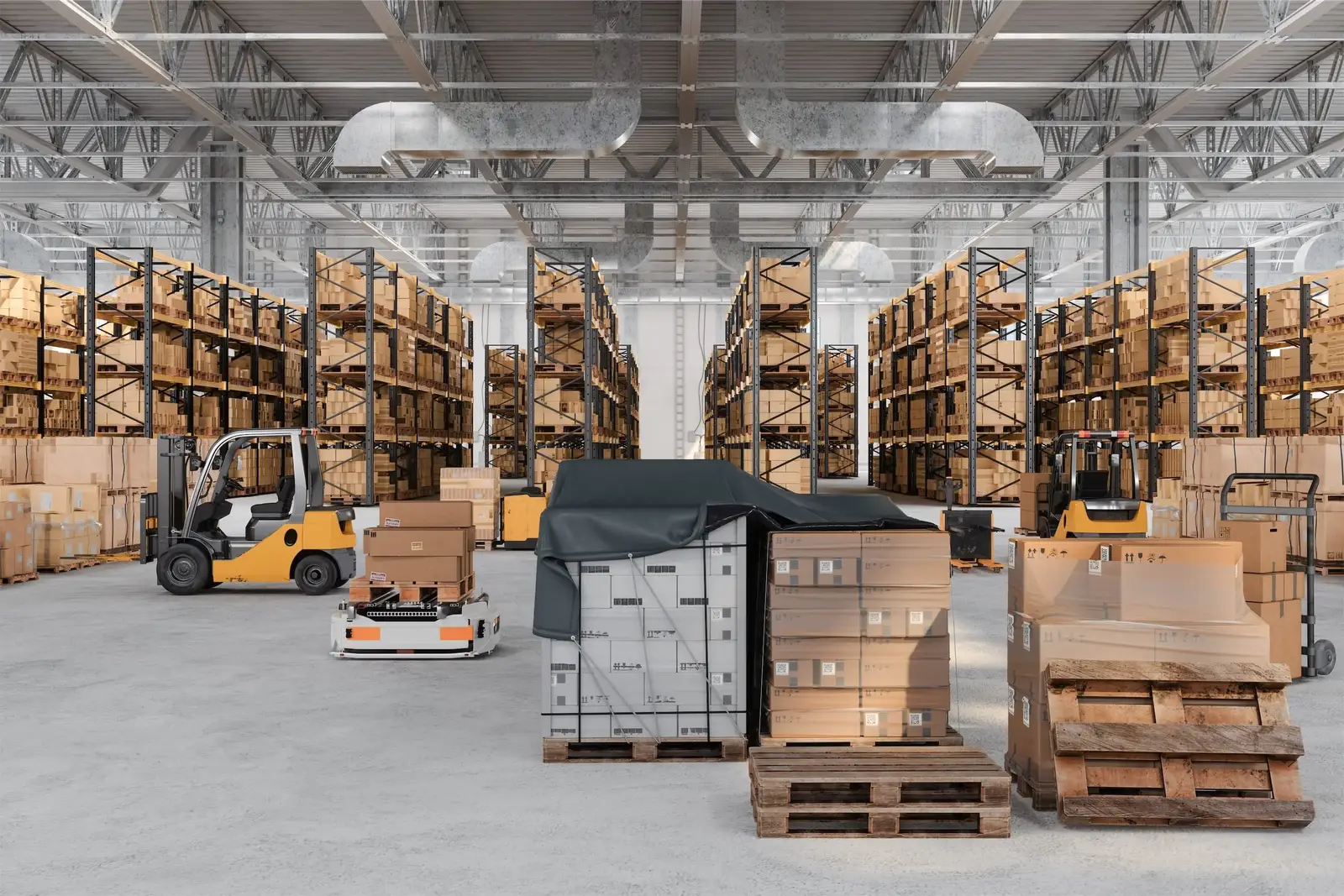
Waste facilities need durable systems built to hold under constant scavenging pressure. Here's how our options apply.
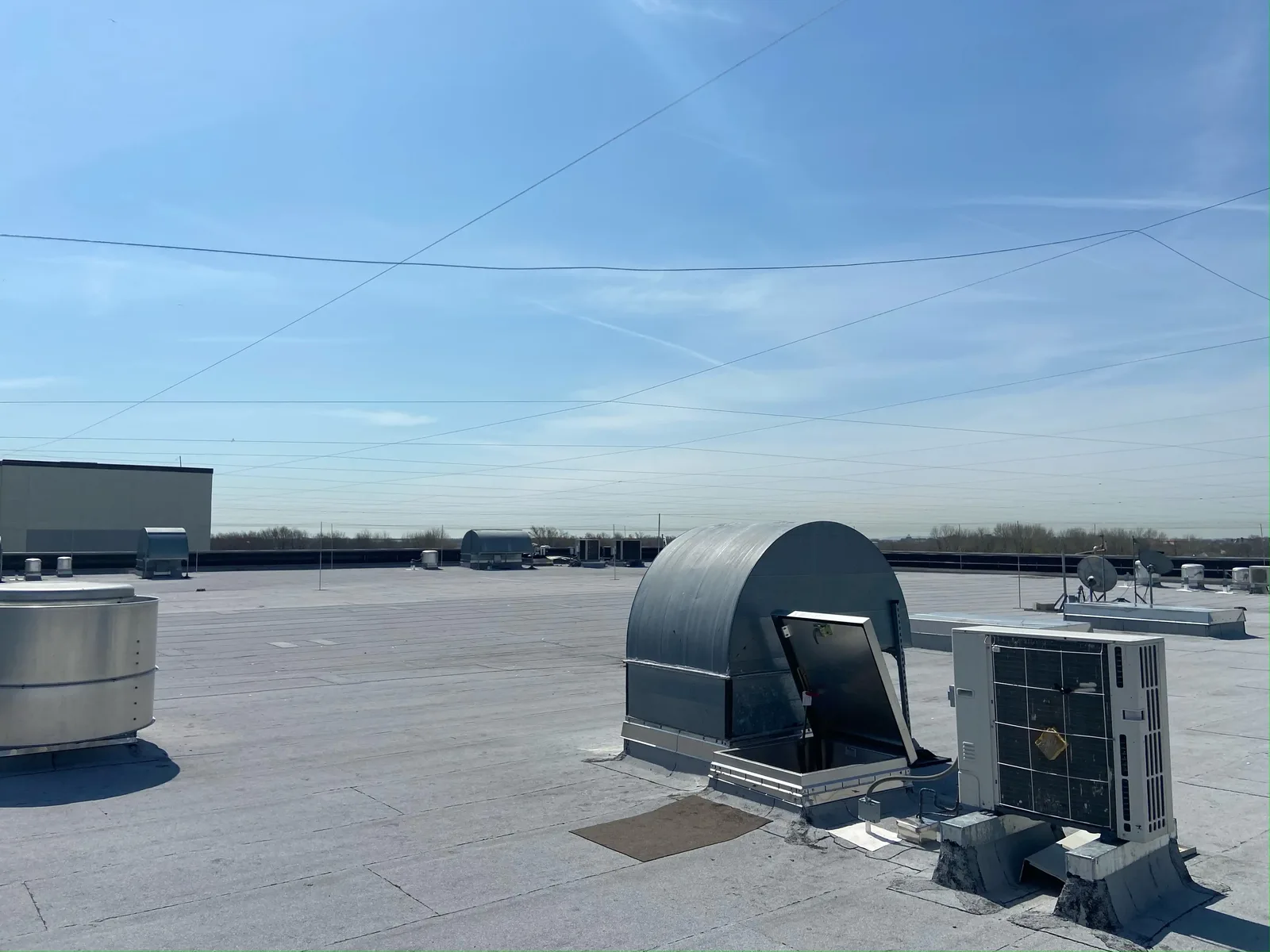
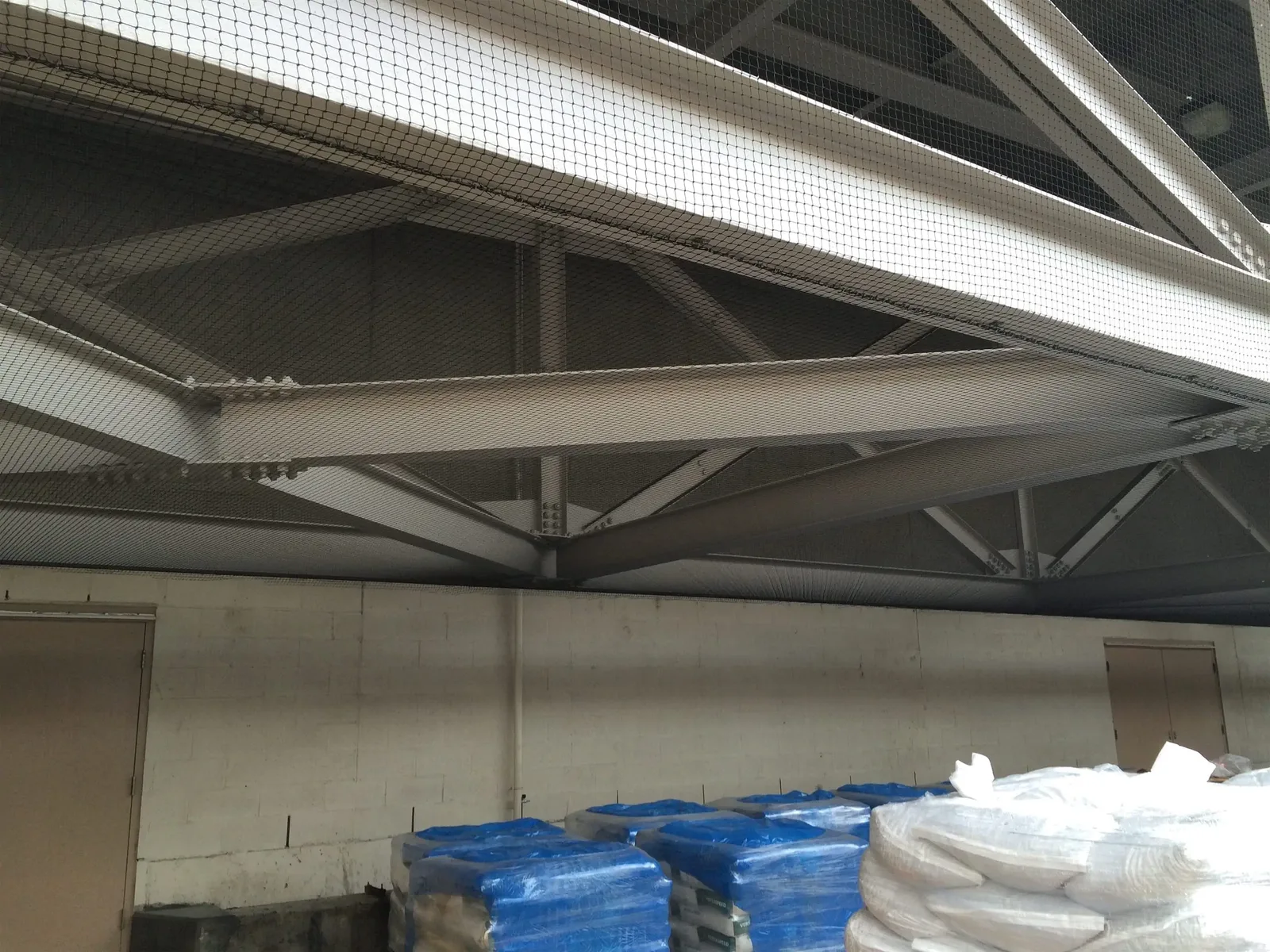
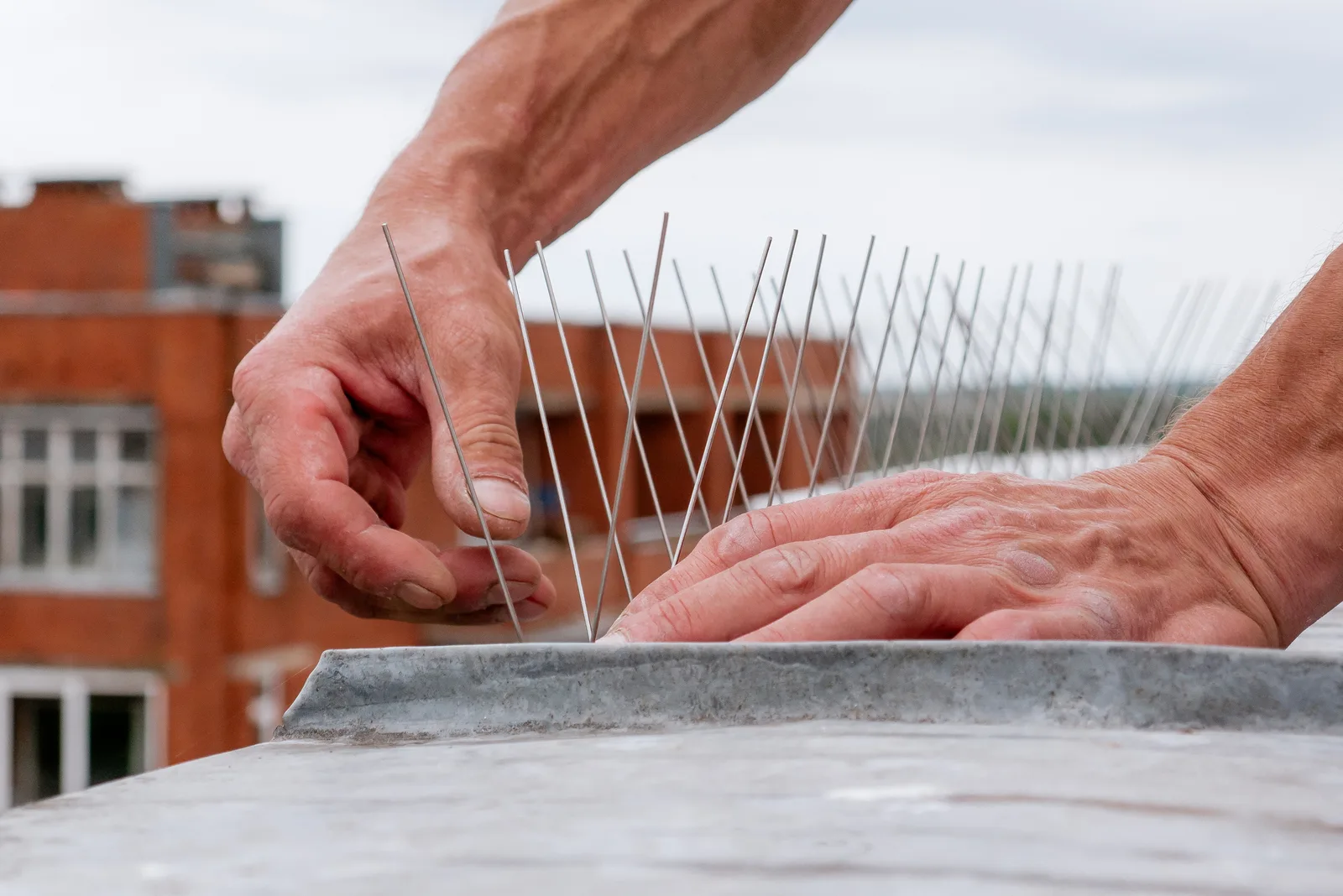

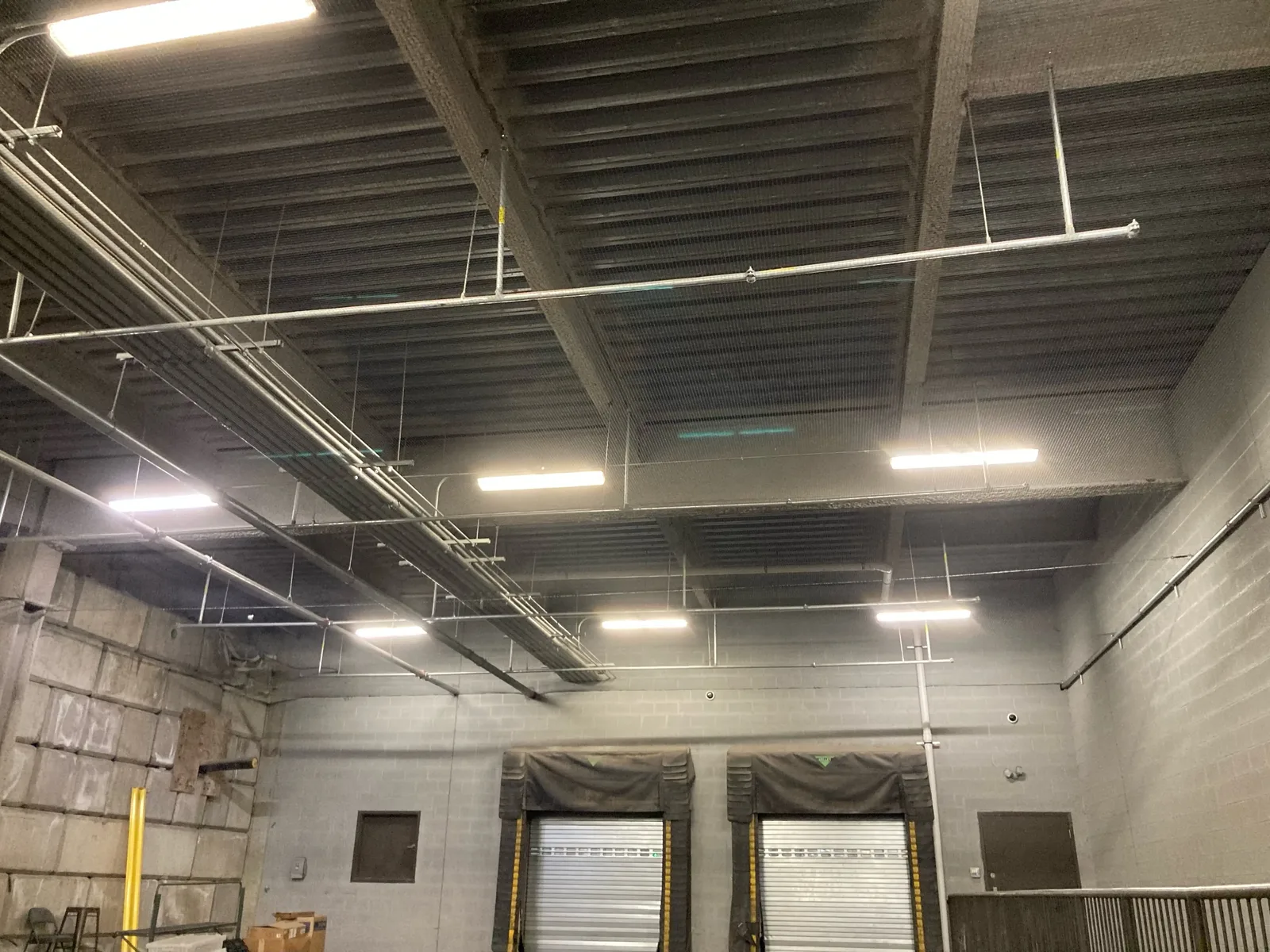
Most waste facility jobs combine wire-grid systems over the open working area with netting or exclusion on the surrounding buildings, addressing both the scavenging and the roosting side of the problem.
See our bird deterrent options
Every facility is different, so we match the deterrent to your tipping area, transfer buildings, and perimeter structures.
Why operators can't leave this unmanaged
Large scavenging flocks are a health and safety issue for your workforce, a compliance concern with local and state regulators, and a genuine nuisance for neighboring properties who see birds carrying debris off site. Left unmanaged, bird pressure at a waste facility only grows as more birds learn the site is a reliable food source. We pair every install with cleanup of affected structures so accumulated waste and debris don't compound the problem.
Vehicle and equipment maintenance is another cost operators don't always connect to bird activity. Droppings accumulating on parked trucks, loaders, and compactors accelerate corrosion on painted surfaces and hardware, and a heavy roost near an equipment yard means repeat cleaning before machinery goes back into service. Closing off the structures birds use to shelter cuts that cost along with the airborne exposure risk on the working face itself.
How a waste facility install runs
Facilities that run continuous operations need a plan that works around live equipment and truck traffic.
- Site survey. We assess the tipping floor, transfer buildings, and perimeter to identify the scale of the pressure and where birds are nesting.
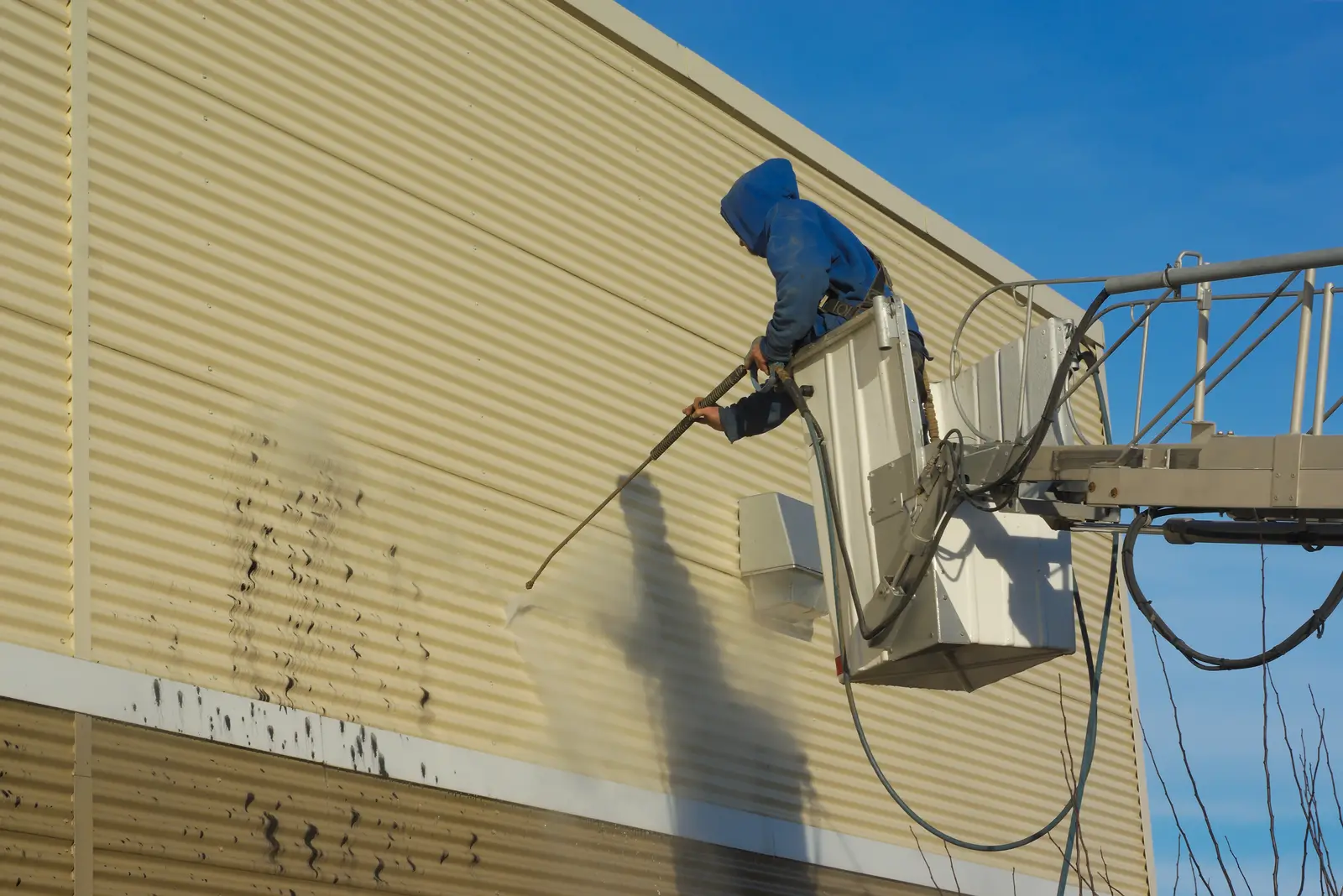
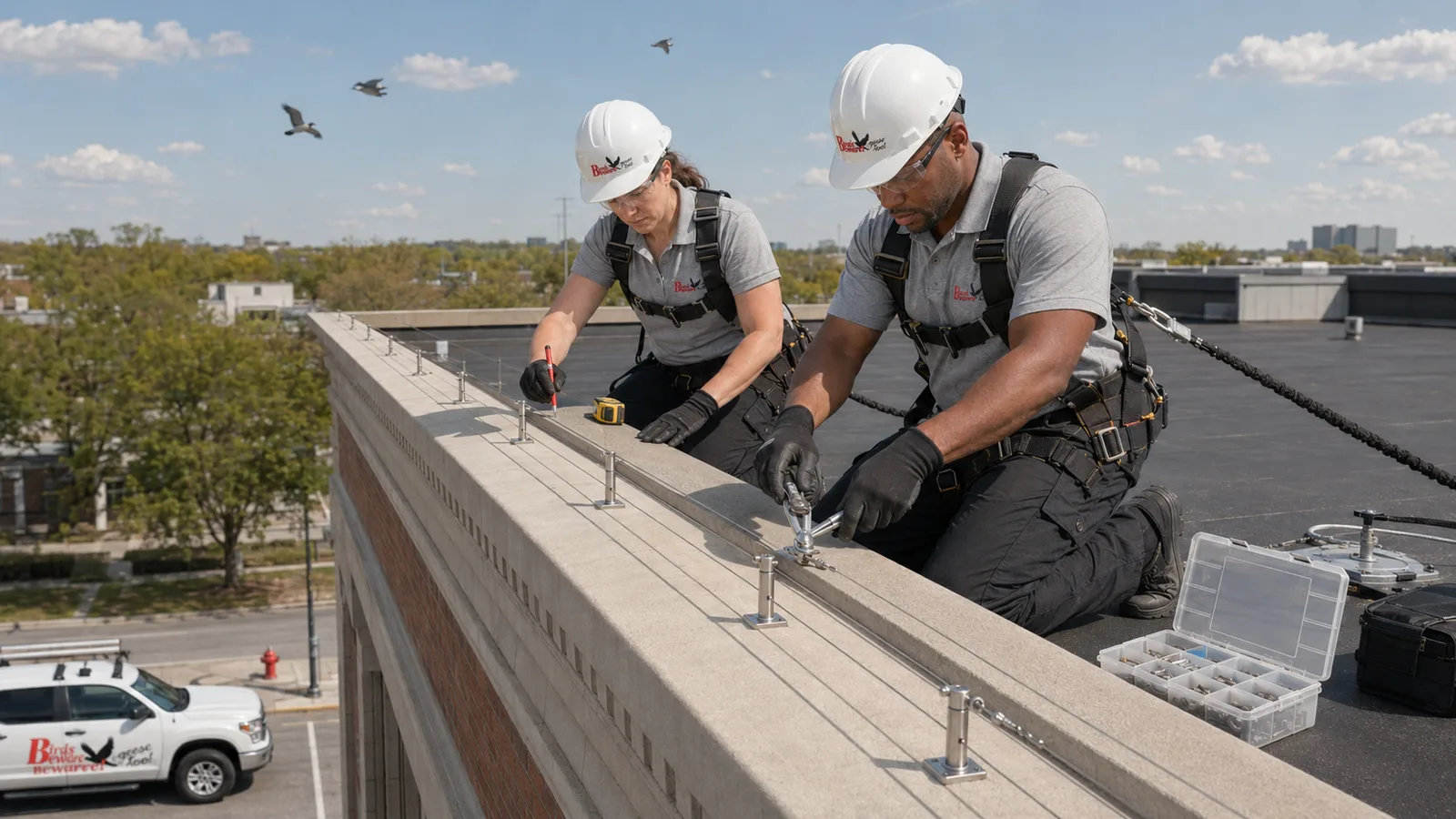
- Scheduled install. Crews work around active operations, fitting wire-grid, netting, or exclusion to the structures involved.
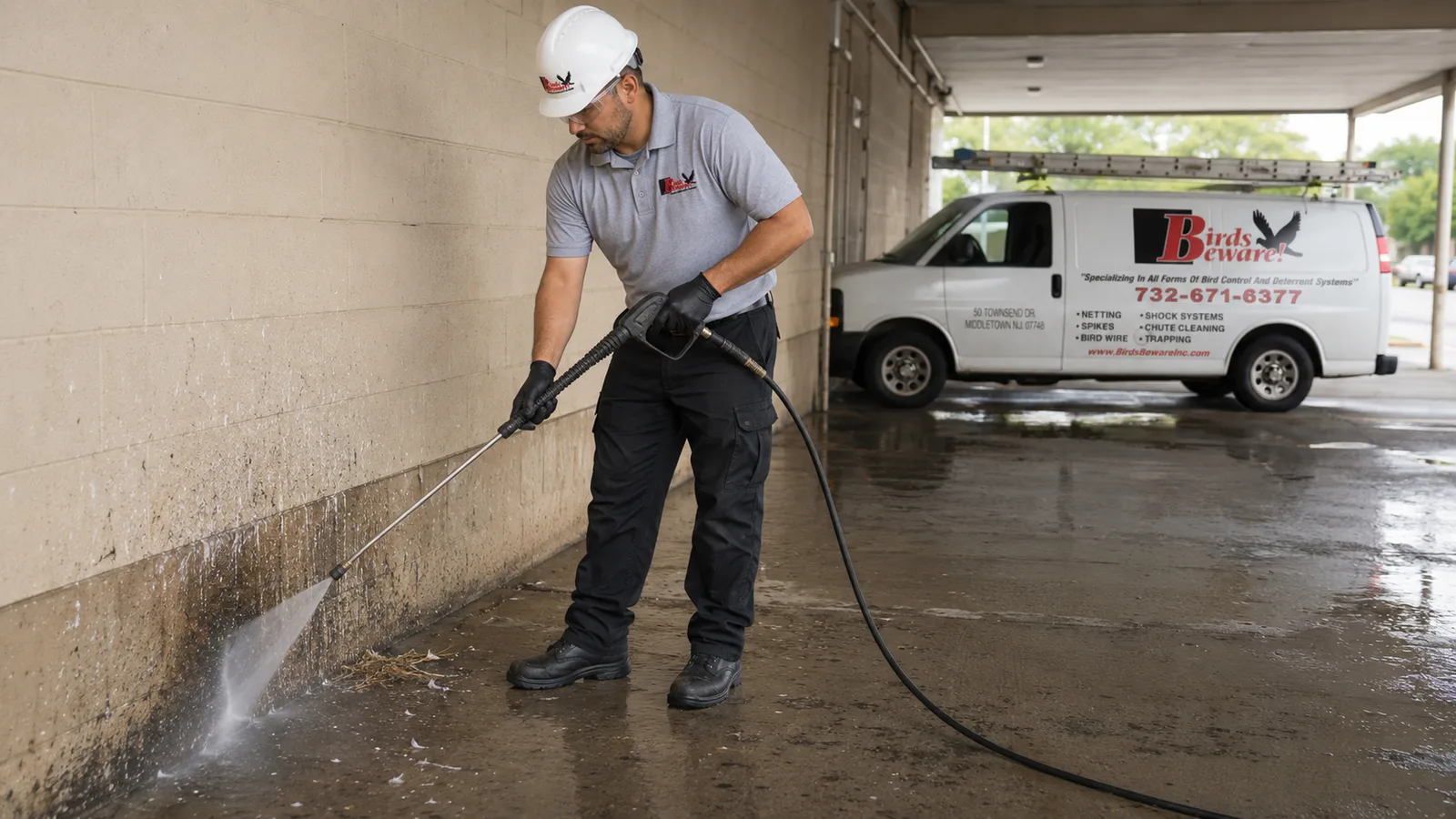
- Cleanup & sanitize. We clear droppings and nesting debris from affected buildings and equipment.
- Ongoing follow-up. We check back regularly given the continuous nature of waste operations, adjusting as volume changes.
Because scavenging pressure tracks volume rather than season, follow-up visits at a waste facility tend to run more often than at a typical commercial property, and we adjust the schedule as intake changes rather than sticking to a fixed calendar.

Our process for Waste Management Facility Bird Control.
Facility Walkthrough
We inspect the property the way the birds use it — rooflines, ledges, loading areas, grounds, and water — and document the pressure points that matter for your type of facility.
Plan Built for Your Operation
The program is designed around your hours, tenants, and compliance needs: humane deterrents and geese management that solve the problem without disrupting the way the facility runs.
Clean Installation & Service
Uniformed, insured crews install deterrents or run goose-control visits on a schedule that works for the site, then clean and disinfect the areas the birds fouled.
Verify & Maintain
We confirm the pressure is gone, report what was done, and keep the property protected with maintenance visits — so the problem stays solved.
Questions about waste facility bird control
Don't see your question? Call the owner directly — we're glad to talk through your property.
Call us(732) 558-2464Bird Control, Species & Deterrents

Customers We Serve
Site Resources for You
Guides, answers, and company pages — everything else you might need.
Bird Resources
Canada Geese Resources
- Resources for Canada GeeseThe geese knowledge hub.
- Hazing TechniquesHow humane hazing actually works.
- Canada Goose BiologyWhy geese behave the way they do.
- Control MethodsEvery method, and when each applies.
- Geese FAQsCommon questions, straight answers.
- Signs of a Geese InvasionEarly warnings a flock is settling in.
- Geese & Human Health MythsWhat's real and what's exaggerated.
- Property Damage from GeeseTurf, water, and walkway damage explained.
Get in Touch
Choose how to reach us and tell us about your bird or Canada geese problem.