

Lawn Canada Geese Control
Lawn Geese Control from Birds & Geese Beware. Practical Canada Geese Control planning, FAQs, and service guidance across NJ, NYC, NY, and CT.












A well-fed, mowed lawn is exactly what a Canada goose prefers over the wilder grass nearby. We clear the flock before feeding damage and nesting aggression take over the yard.
Built For Home Lawns
Sized for residential properties, not just large commercial and municipal sites.
One-Time Or Recurring
Single clearing visits work for a first-time flock; recurring visits fit a returning one.
Safe Around Family & Pets
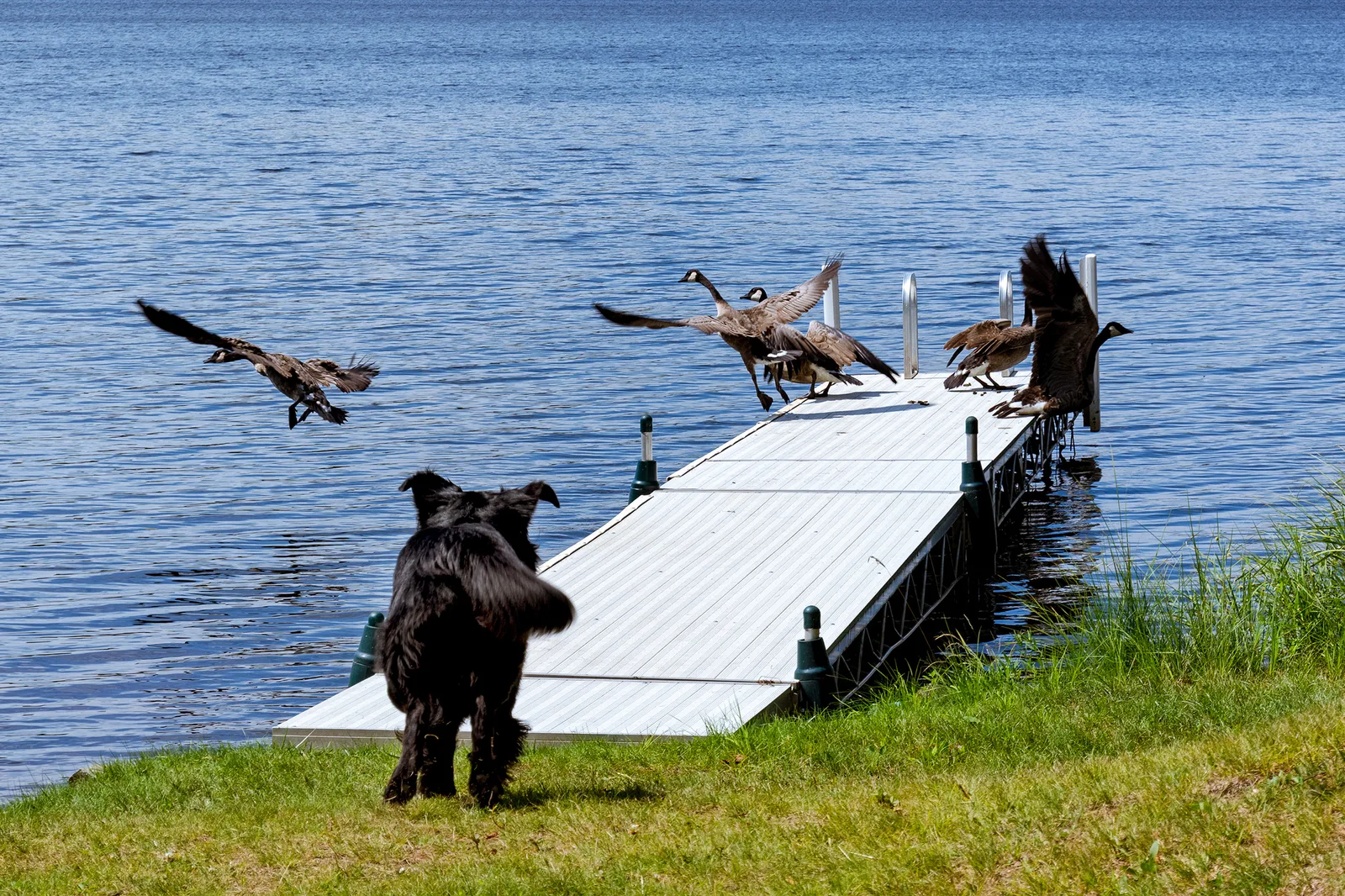
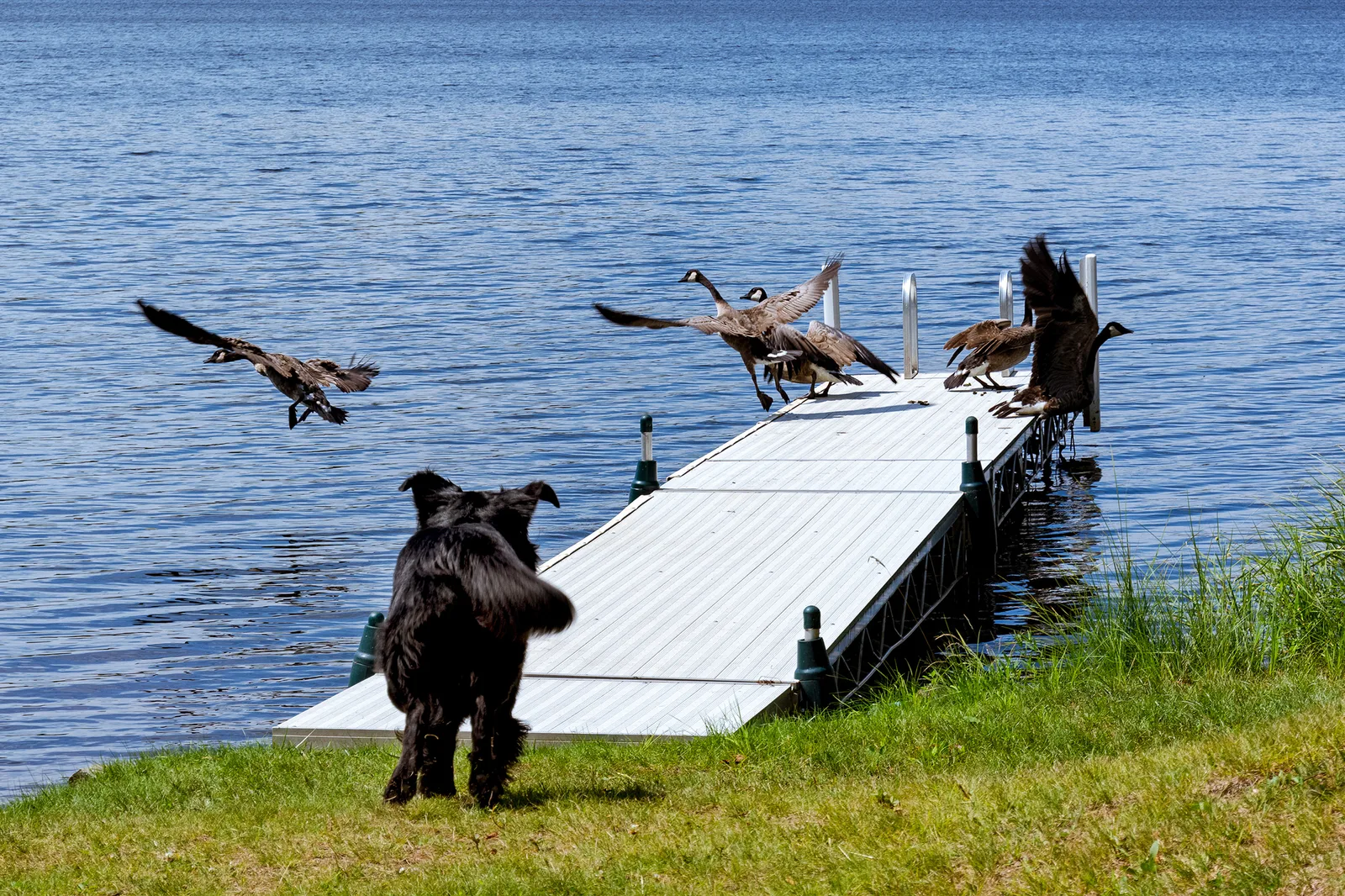
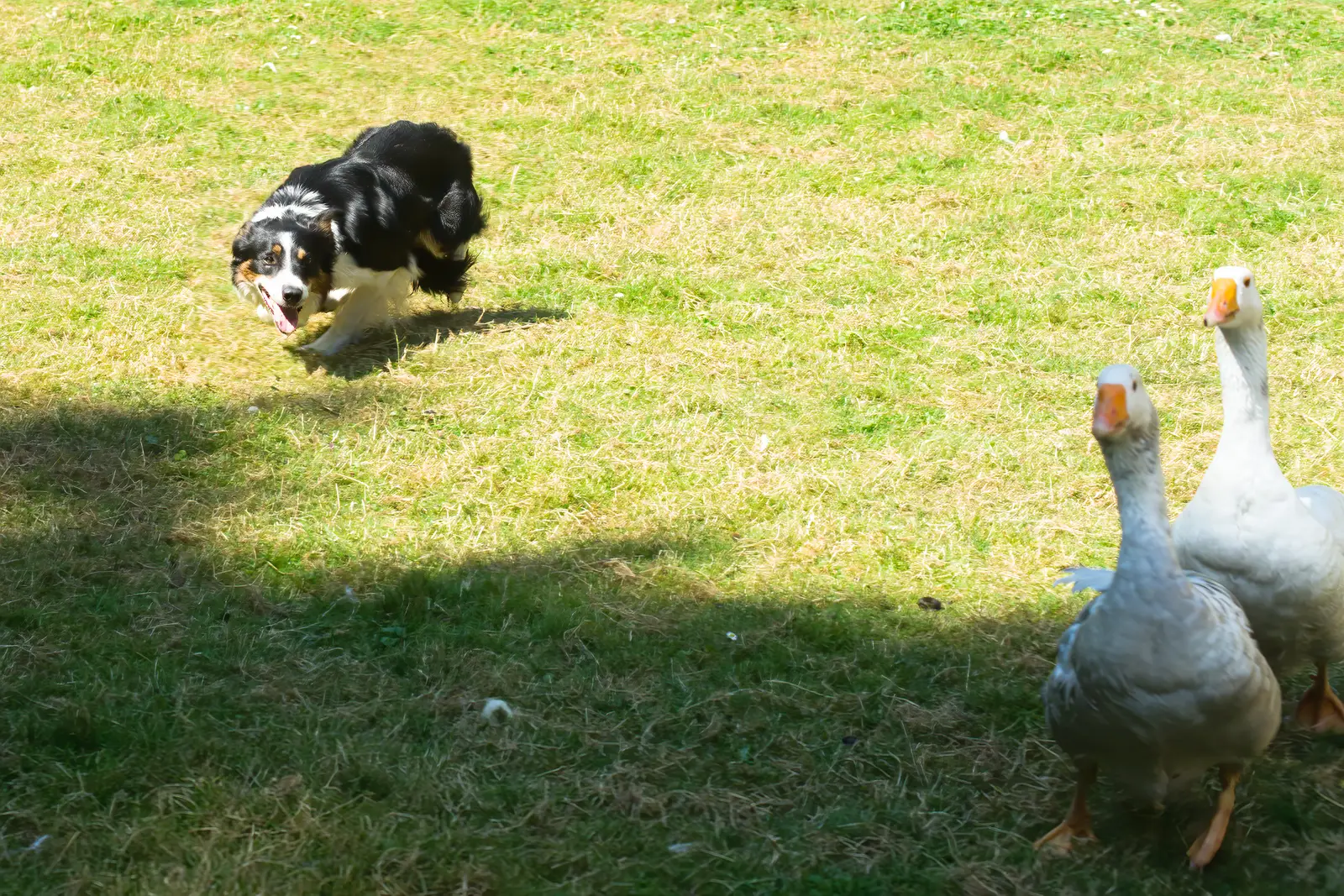
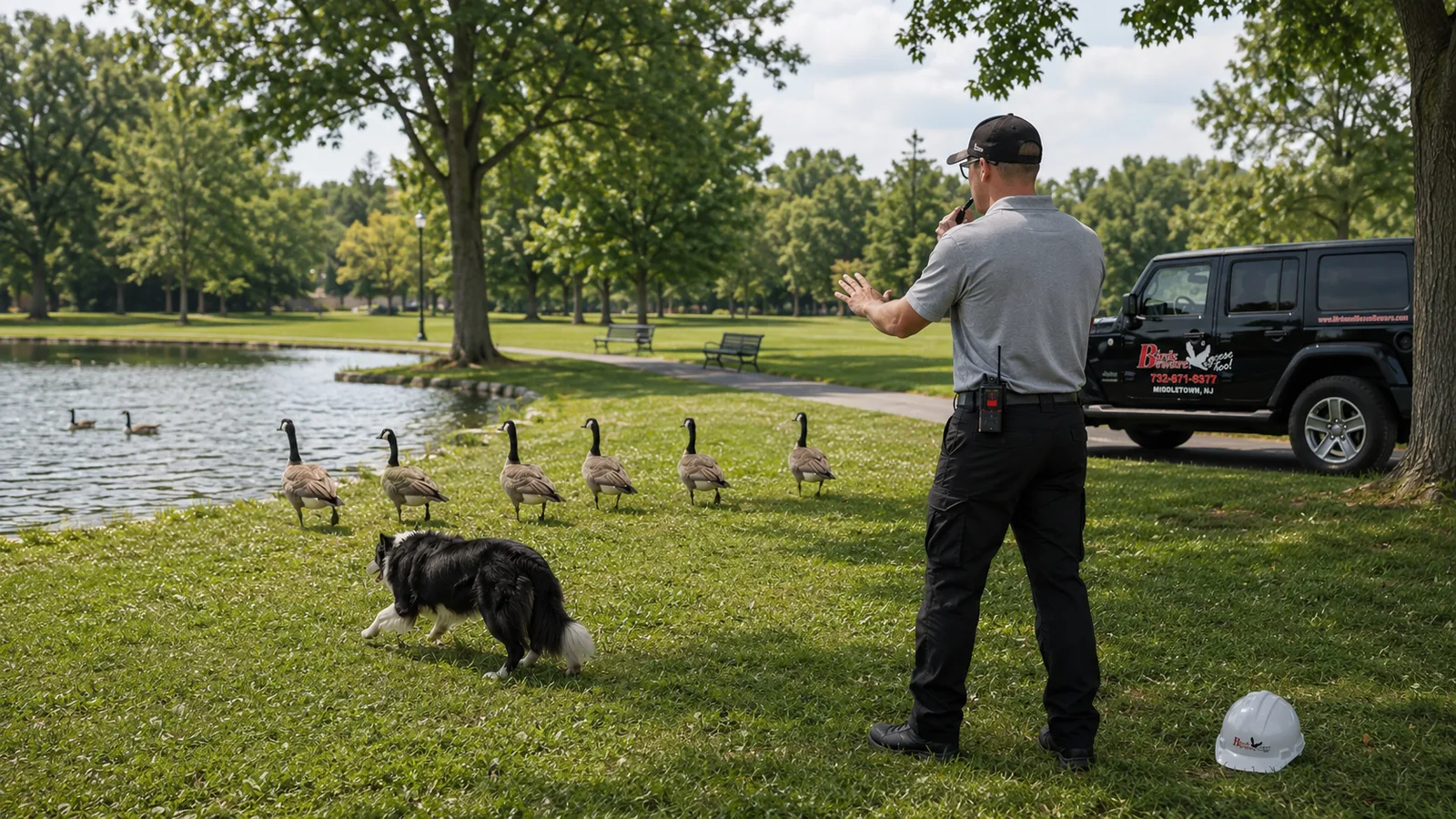
Trained dogs clear geese with no traps or chemicals used anywhere on the property.
Healthier Turf
Reduces feeding damage and droppings buildup on a lawn homeowners maintain and use.
Canada geese control for lawns
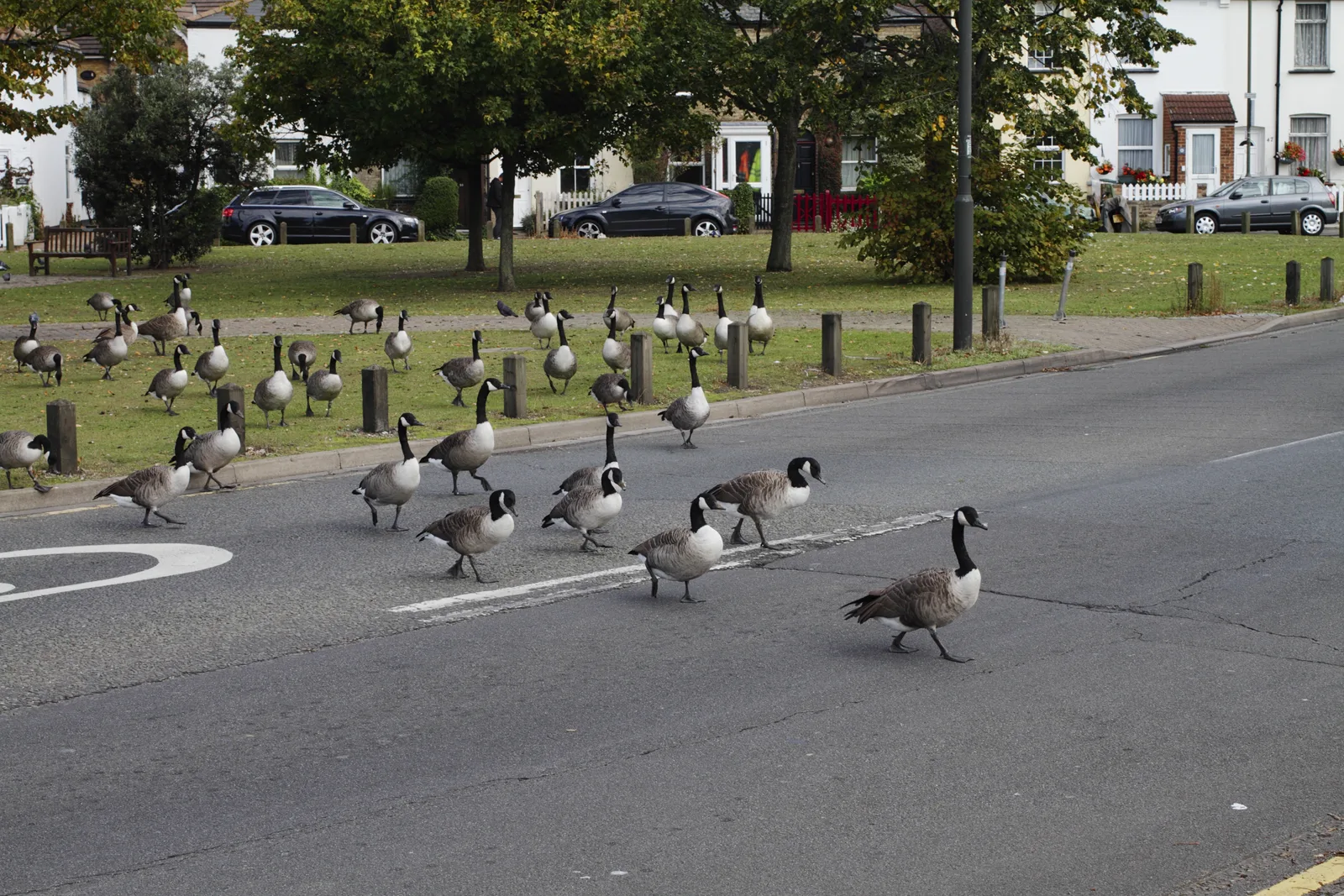
A well-maintained, fertilized lawn is one of the most attractive things a homeowner can offer a Canada goose. Geese are grazers, and the tender, nutrient-rich grass that comes from regular mowing and feeding is exactly what they prefer over the wilder grasses nearby. Once a flock settles onto a lawn, droppings collect quickly, the turf takes visible feeding damage, and nesting pairs can turn aggressive toward anyone who gets close.
Birds & Geese Beware, Inc. has managed goose problems on residential and commercial lawns across New Jersey, New York, and Connecticut since 1991, using humane methods that let you keep your yard usable without the mess.

Why geese choose your lawn over the field next door
Geese are selective grazers, and a handful of factors explain why one lawn draws a flock while a neighboring property does not.
- Fertilized, frequently mowed grass that is easier to digest than tall or unfertilized turf
- Proximity to a pond, retention basin, or other open water
- Open sightlines with little cover, which geese associate with safety from predators
- A history of geese feeding undisturbed on the property in past seasons
Because a lawn's own maintenance routine is part of what invites geese in, an effective plan usually pairs deterrent methods with a few changes to how the grass itself is managed.

Lawn-safe deterrent options
See your lawn geese control options
We build a plan around your yard, your landscaping, and how much lawn work you want to change.
Grass choices that make a real difference
Not all turf grass is equally attractive to a grazing goose. Tender, well-fertilized bluegrass and perennial ryegrass, the mix in most manicured residential lawns, is easy for geese to digest and quick to regrow after feeding, which is exactly why it keeps drawing them back. Tall fescue and other coarser grass varieties are less palatable and slower to tempt a flock into settling, and simply overseeding problem edges of a lawn with a tougher fescue blend can reduce grazing pressure without changing the overall look of the yard.
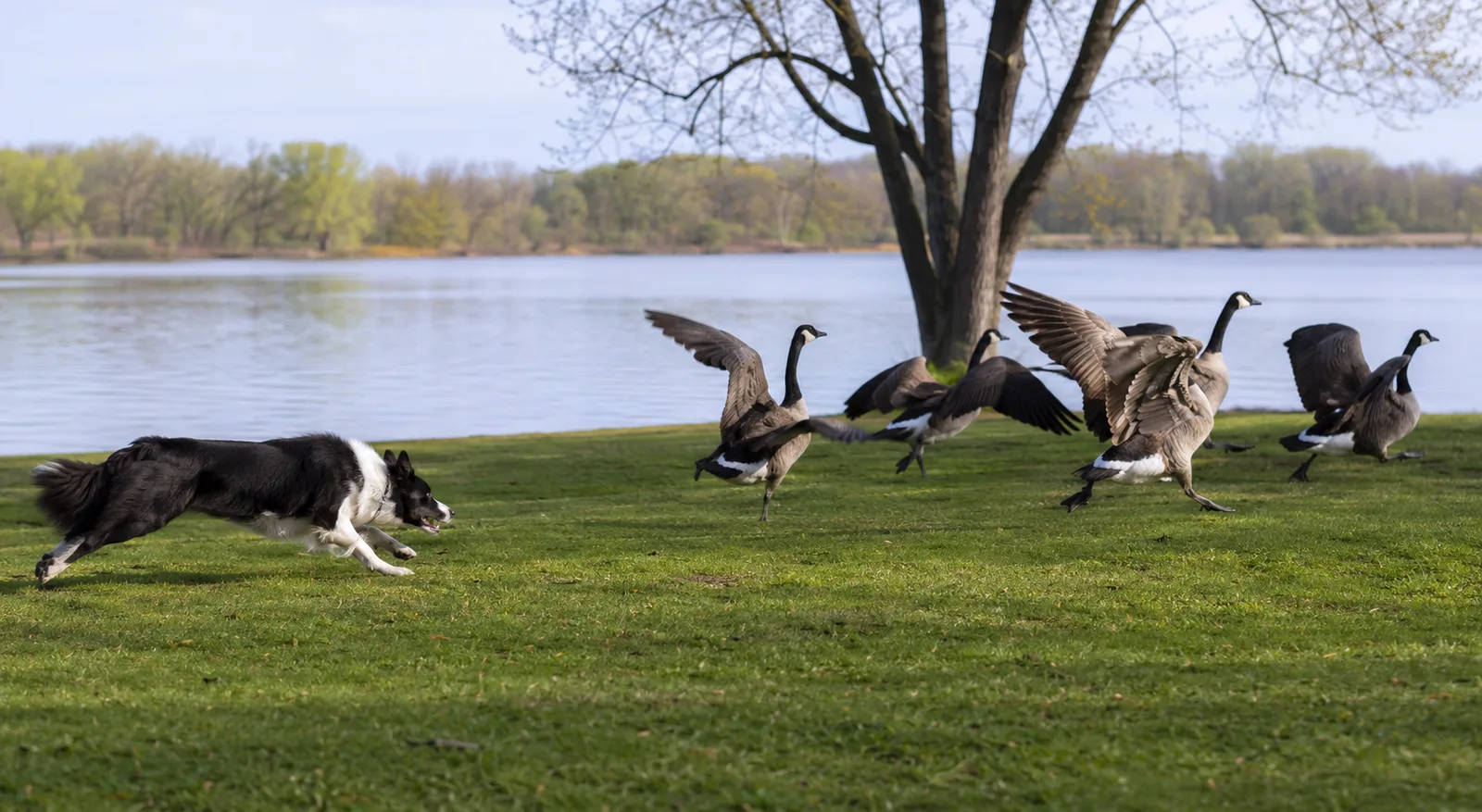
Timing matters as much as grass type. Resident geese nest in spring, molt and lose their flight feathers in late spring and early summer, and often use that flightless window to graze more heavily on the nearest available lawn since they cannot easily fly elsewhere. That is usually when homeowners notice the sharpest jump in droppings and feeding damage, and it is the point in the season when Border Collie visits have the most immediate effect.

A plan that fits how you use your yard
A lawn control visit starts with a look at how your grass is fertilized and mowed, where geese currently feed, and whether any pond or water feature is nearby. From there we put together a written recommendation on program and timing, then schedule Border Collie visits and suggest simple changes to grass length and fertilizing near the lawn's edges. Most residential lawns move to a light Maintenance Program once the Initial Clearing visits break the flock's hold. Every visit is humane, non-lethal, and legal under the Migratory Bird Treaty Act.
- Walk the property and identify feeding, resting, and nesting areas
- Adjust mowing height and fertilizer near the lawn edges closest to water
- Run the Initial Clearing Program to break the current flock's hold on the lawn
- Move to a Maintenance Program schedule to keep the lawn clear
- Add On-Call visits if a new flock shows up between scheduled dates
Our process for Lawn Canada Geese Control.
Facility Walkthrough
We inspect the property the way the geese use it — rooflines, ledges, loading areas, grounds, and water — and document the pressure points that matter for your type of facility.
Plan Built for Your Operation
The program is designed around your hours, tenants, and compliance needs: humane deterrents and geese management that solve the problem without disrupting the way the facility runs.
Clean Installation & Service
Uniformed, insured crews install deterrents or run goose-control visits on a schedule that works for the site, then clean and disinfect the areas the geese fouled.
Verify & Maintain
We confirm the pressure is gone, report what was done, and keep the property protected with maintenance visits — so the problem stays solved.
Questions we get about lawn geese control
Don't see your question? Call the owner directly — we're glad to talk through your property.
Call us(732) 558-2464Canada Geese Control & Deterrents
Canada Geese Control & Removal
The full humane program: dogs, hazing, and habitat pressure.
View serviceGoose-Chasing Dogs
Trained border collies that teach flocks to move on.
View service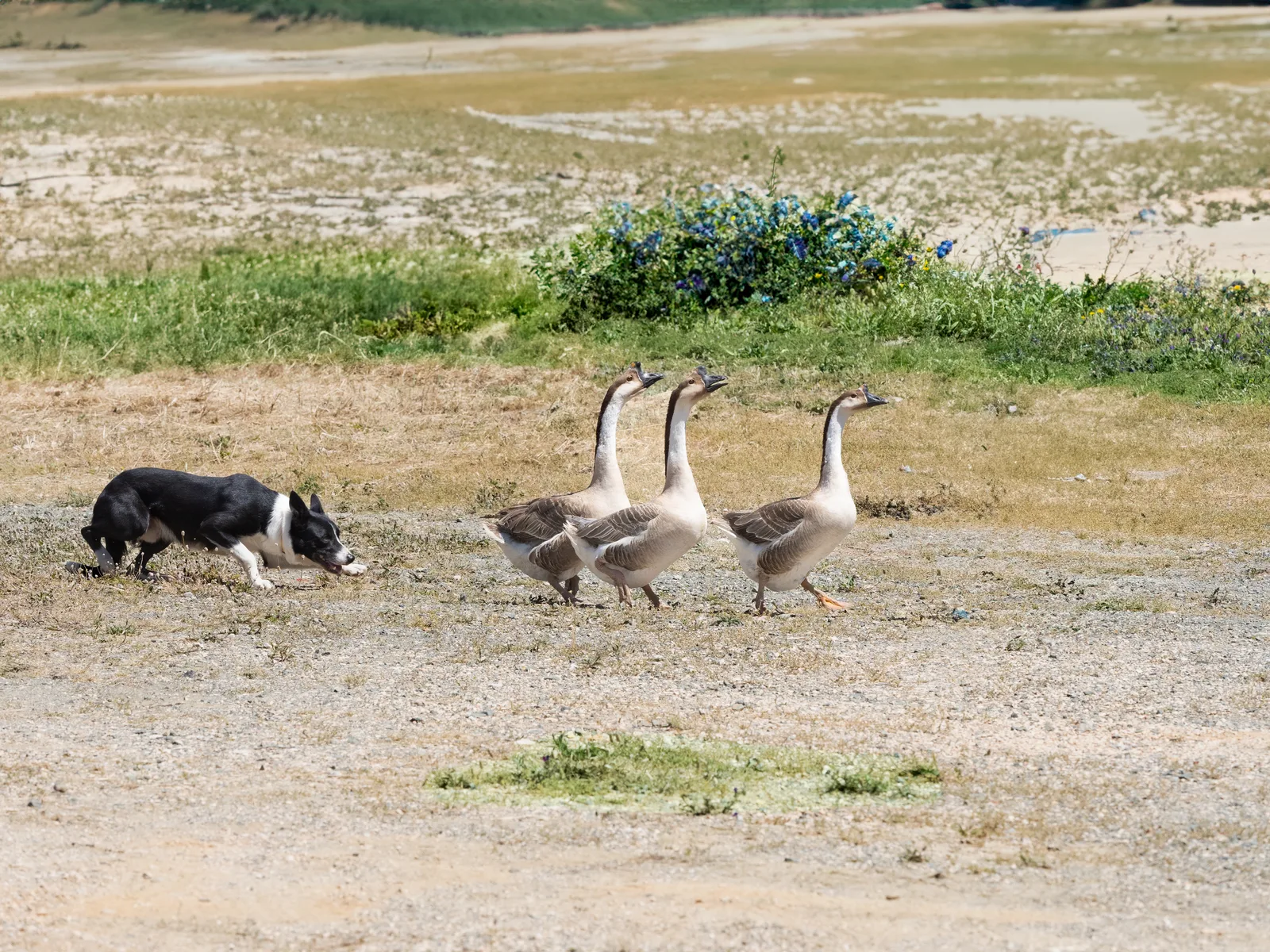
Single Clearing Services
One-time clearing for events, closings, and inspections.
View serviceMaintenance Programs
Scheduled visits that keep cleared properties clear.
View serviceEmergency Services
Rapid response when geese take over overnight.
View service
Behavioral Modification
Breaking the site-loyalty habit that brings flocks back.
View serviceHabitat Modification
Removing the food and nesting cover geese look for.
View service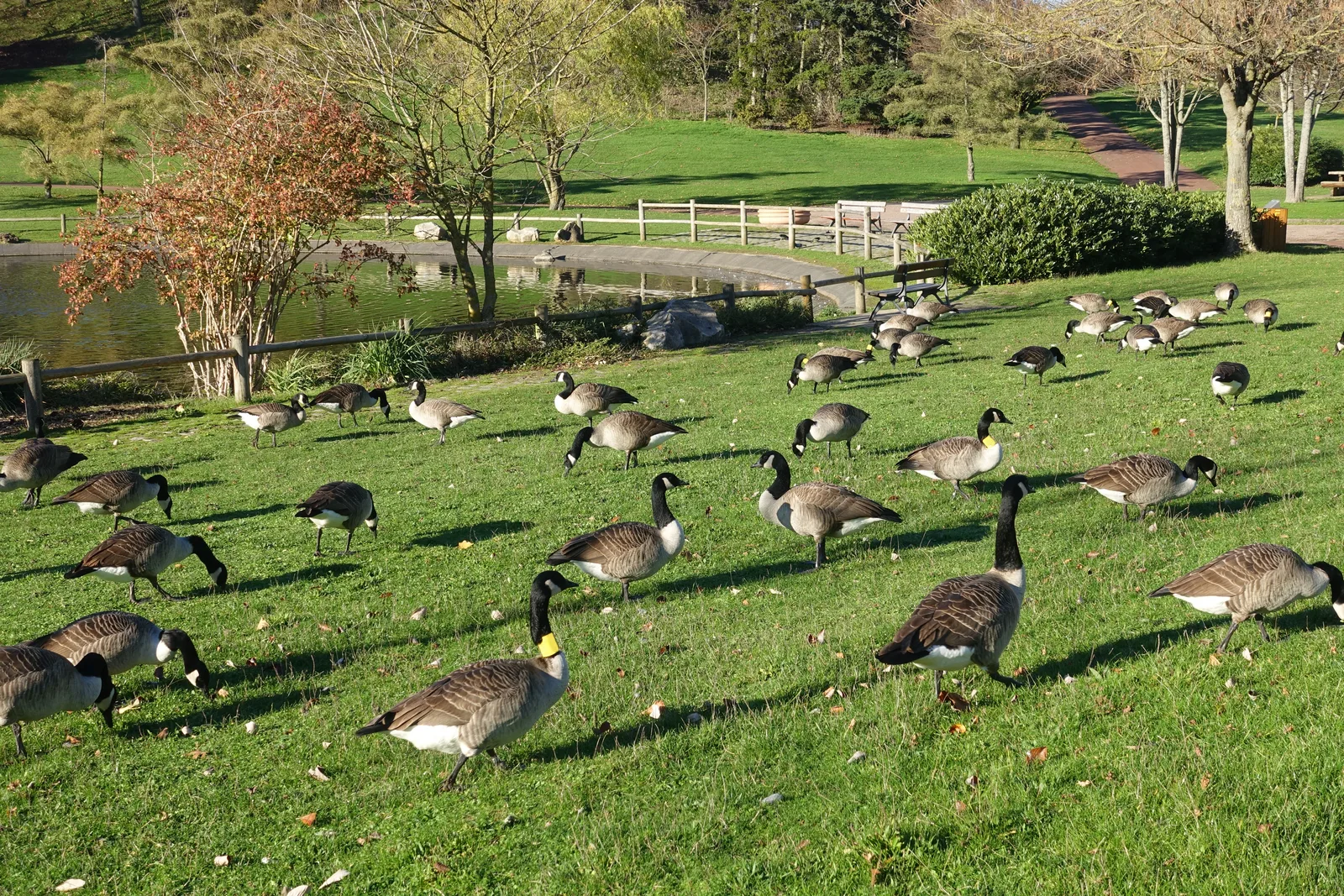
All Geese Deterrents
Every non-lethal deterrent we deploy, compared.
View service
Nuisance Bird Species
Also have birds? Every species we control and deter.
View serviceCustomers We Serve
Site Resources for You
Guides, answers, and company pages — everything else you might need.
Bird Resources
Canada Geese Resources
- Resources for Canada GeeseThe geese knowledge hub.
- Hazing TechniquesHow humane hazing actually works.
- Canada Goose BiologyWhy geese behave the way they do.
- Control MethodsEvery method, and when each applies.
- Geese FAQsCommon questions, straight answers.
- Signs of a Geese InvasionEarly warnings a flock is settling in.
- Geese & Human Health MythsWhat's real and what's exaggerated.
- Property Damage from GeeseTurf, water, and walkway damage explained.
Get in Touch
Choose how to reach us and tell us about your bird or Canada geese problem.