

Seagull or Seabird Control & Deterrent Services
Seagull Or Seabird Control & Deterrent Services: practical bird control guidance from Birds & Geese Beware.












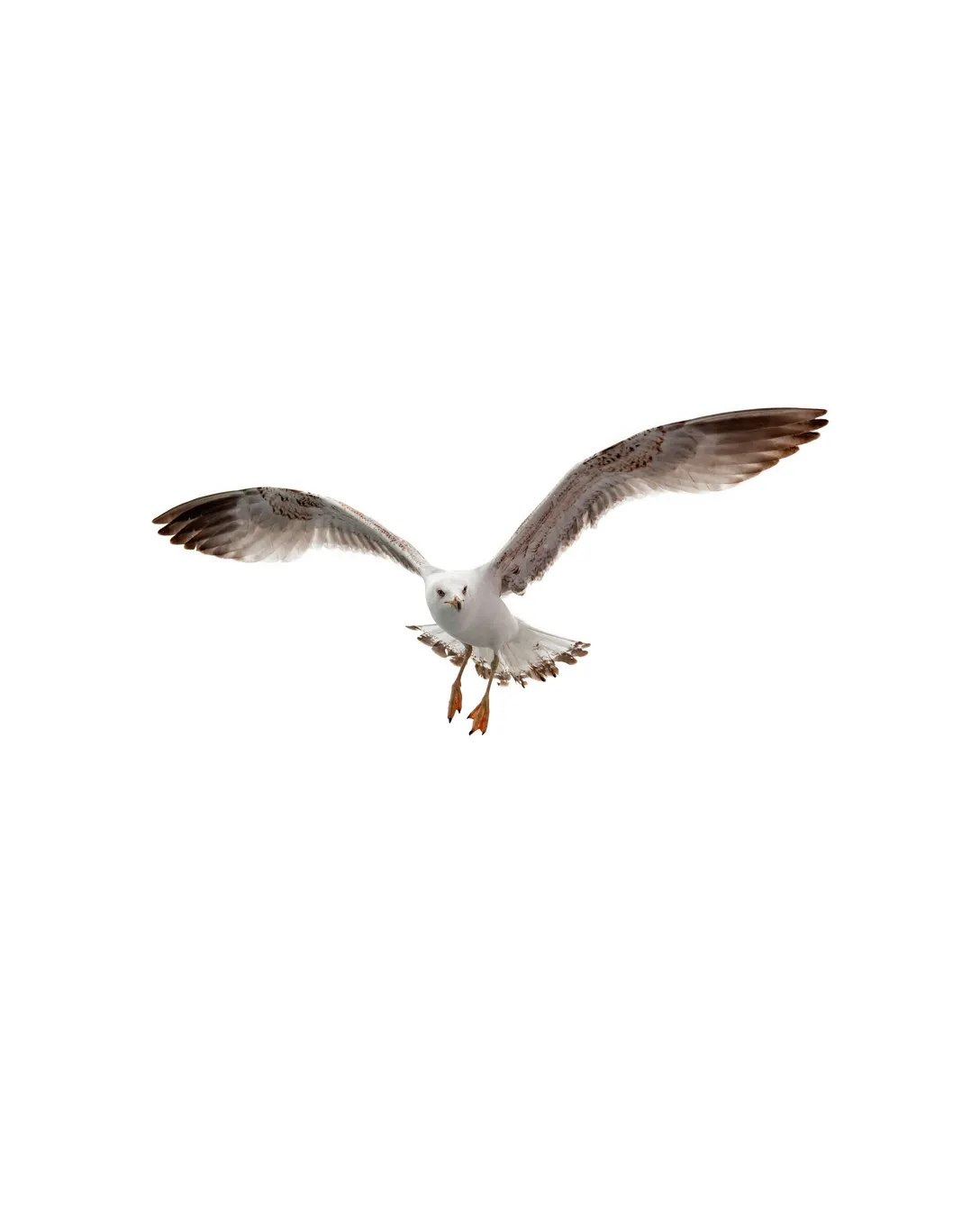
Gulls are large, bold, and comfortable nesting directly on flat commercial roofs, where standard deterrents often aren't built to hold them back.
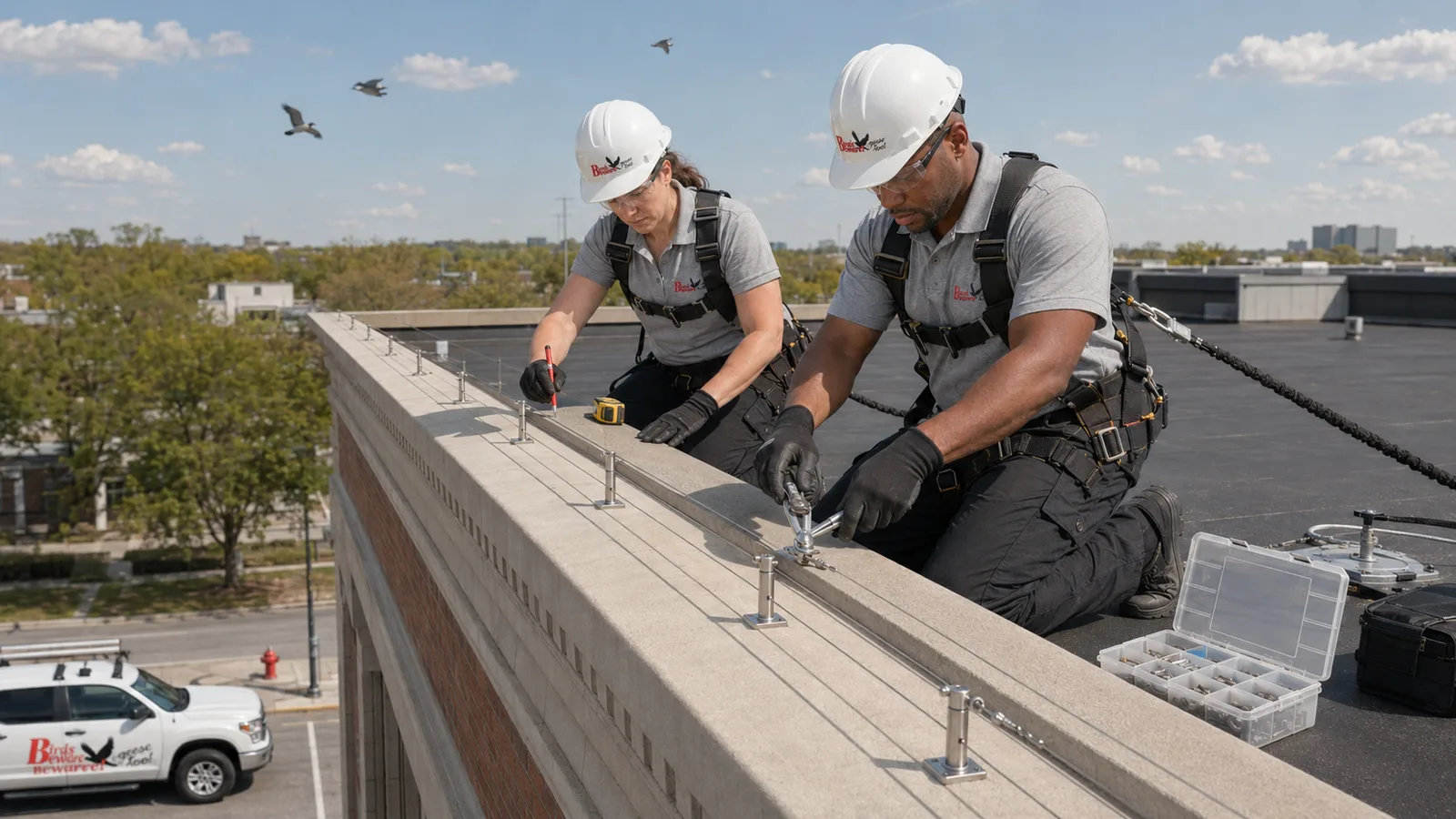
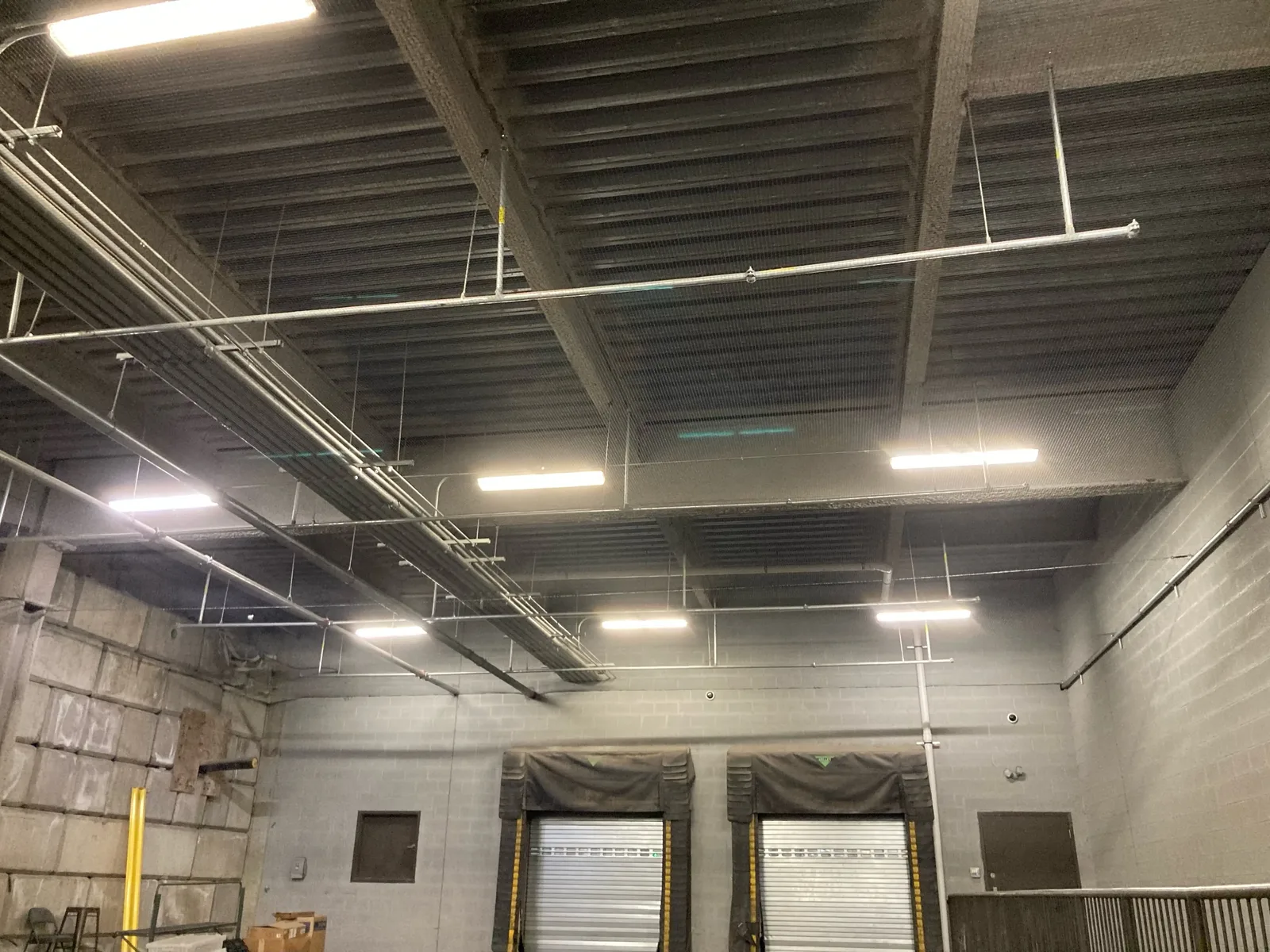
Wire-Grid Rooftop Coverage
Grid spacing is sized for gull wingspan, keeping large seabirds from landing on flat roof sections.
Heavy-Duty Netting
Reinforced netting is used where gull size and flock weight exceed standard bird netting loads.
Coastal & Waterfront Expertise
We've handled seabird pressure on marinas, boardwalks, and waterfront buildings across the region.
Nesting Season Planning
Deterrents are installed before nesting season begins, when gulls are most committed to a rooftop.
Commercial seagull and seabird control across NJ, NY & CT
Gulls are coastal birds by nature, but along the Jersey Shore, Long Island, and the Connecticut coastline they've learned that rooftops, parking lots, and dumpsters are just as reliable as a beach. Once a colony settles on a building, it brings noise, aggressive dive behavior during nesting season, and droppings acidic enough to damage roofing and paint. For a property manager, that's a daily operating problem, not a wildlife curiosity.
Birds & Geese Beware, Inc. has controlled seagull and seabird activity on commercial, municipal, and residential properties across New Jersey, New York, and Connecticut since 1991. Gulls are colonial nesters that return to the same rooftop or ledge year after year, so we don't just clear a flock, we close off the site that keeps drawing them back, using deterrents matched to the roof and the pressure the property is under.
Where gulls settle, and why they keep coming back
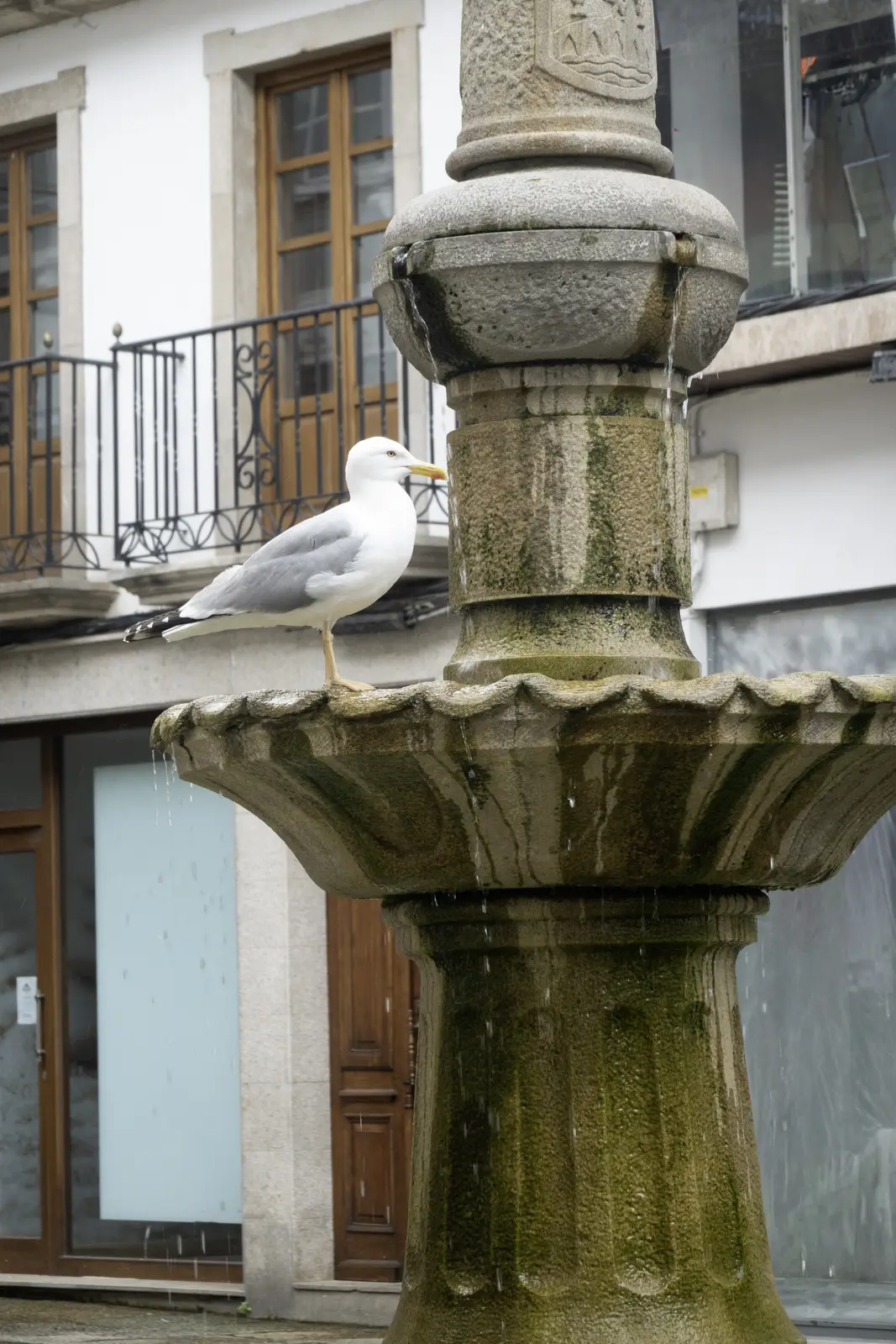
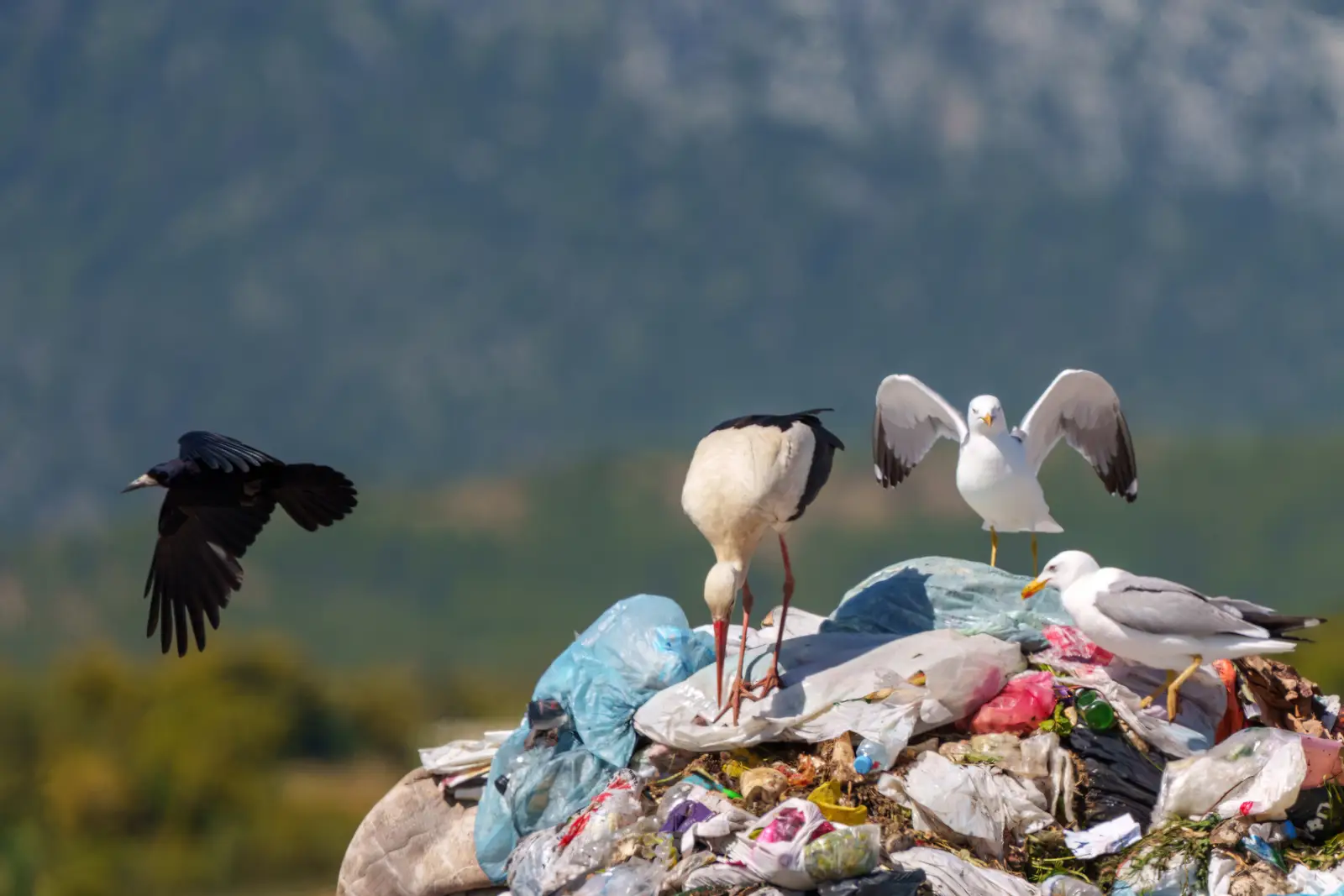
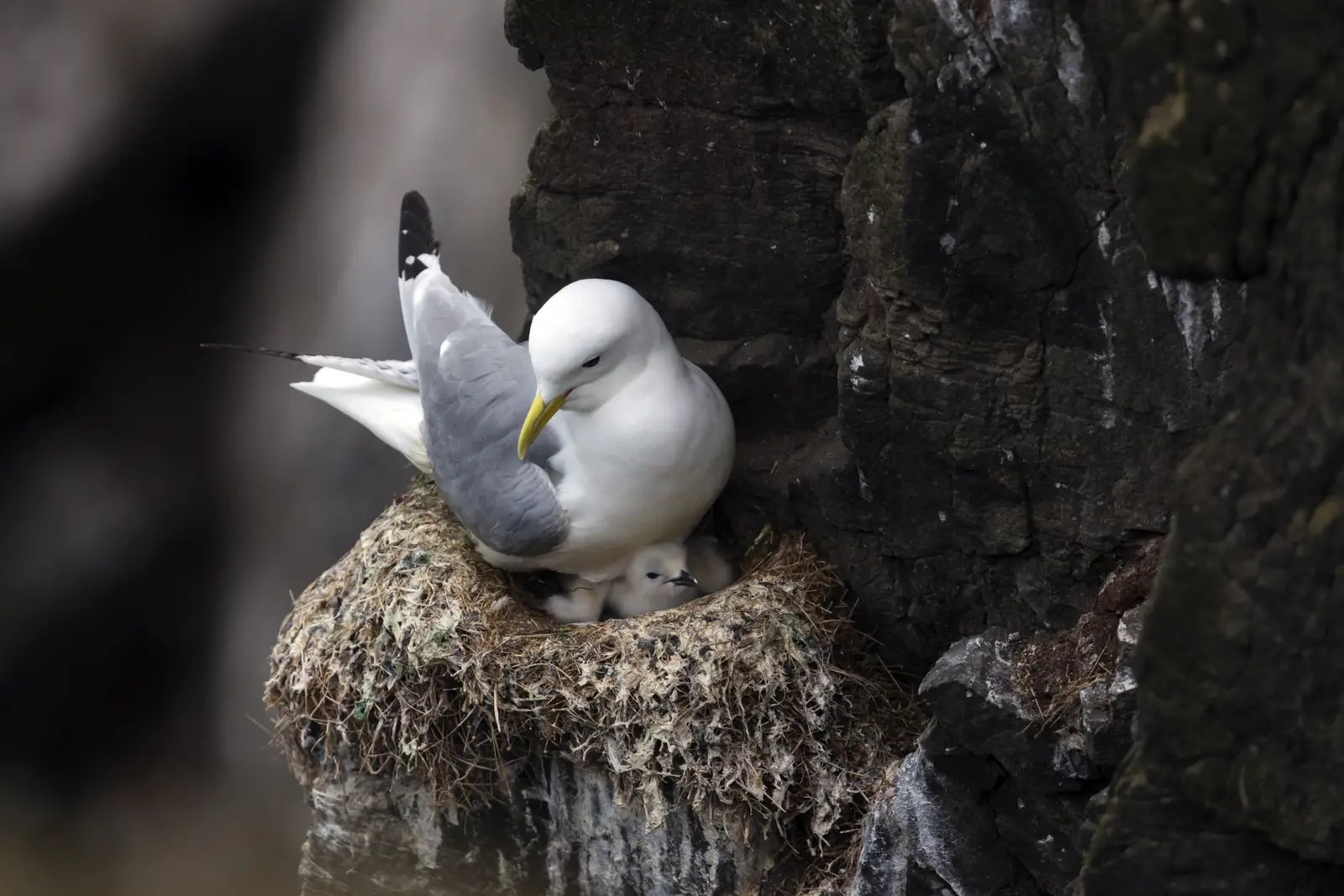
Seagulls and other seabirds are colonial nesters, meaning they establish large, dense breeding groups on flat, elevated surfaces close to a food source. On a commercial building that usually means a short list of predictable spots.
- Flat rooftops, parapets, and rooftop equipment
- Piers, boardwalks, and marina structures
- Parking lots and courtyards near food service
- Ledges, awnings, and building edges facing open water
Gulls are also opportunistic feeders, so open trash and unsecured food waste keep a colony fed and growing. Closing off both the roost and the food source is what makes a gull control plan hold, rather than just moving the problem down the block.

How we keep gulls and seabirds off, compared
Because gulls are larger and bolder than most nuisance birds, we lean on exclusion methods built for scale, plus supporting deterrents where a lighter touch is called for. Here's how the options we install compare.

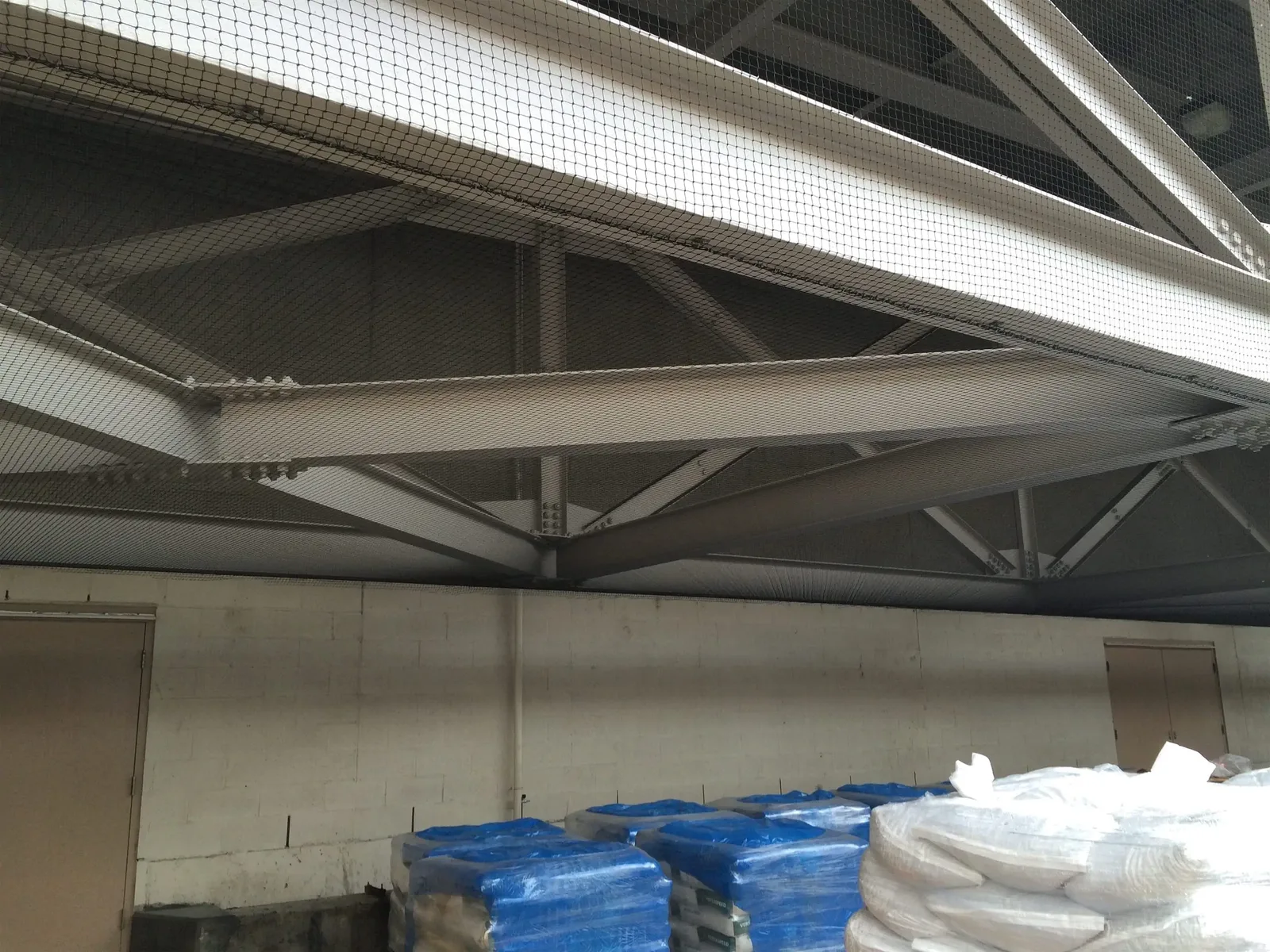

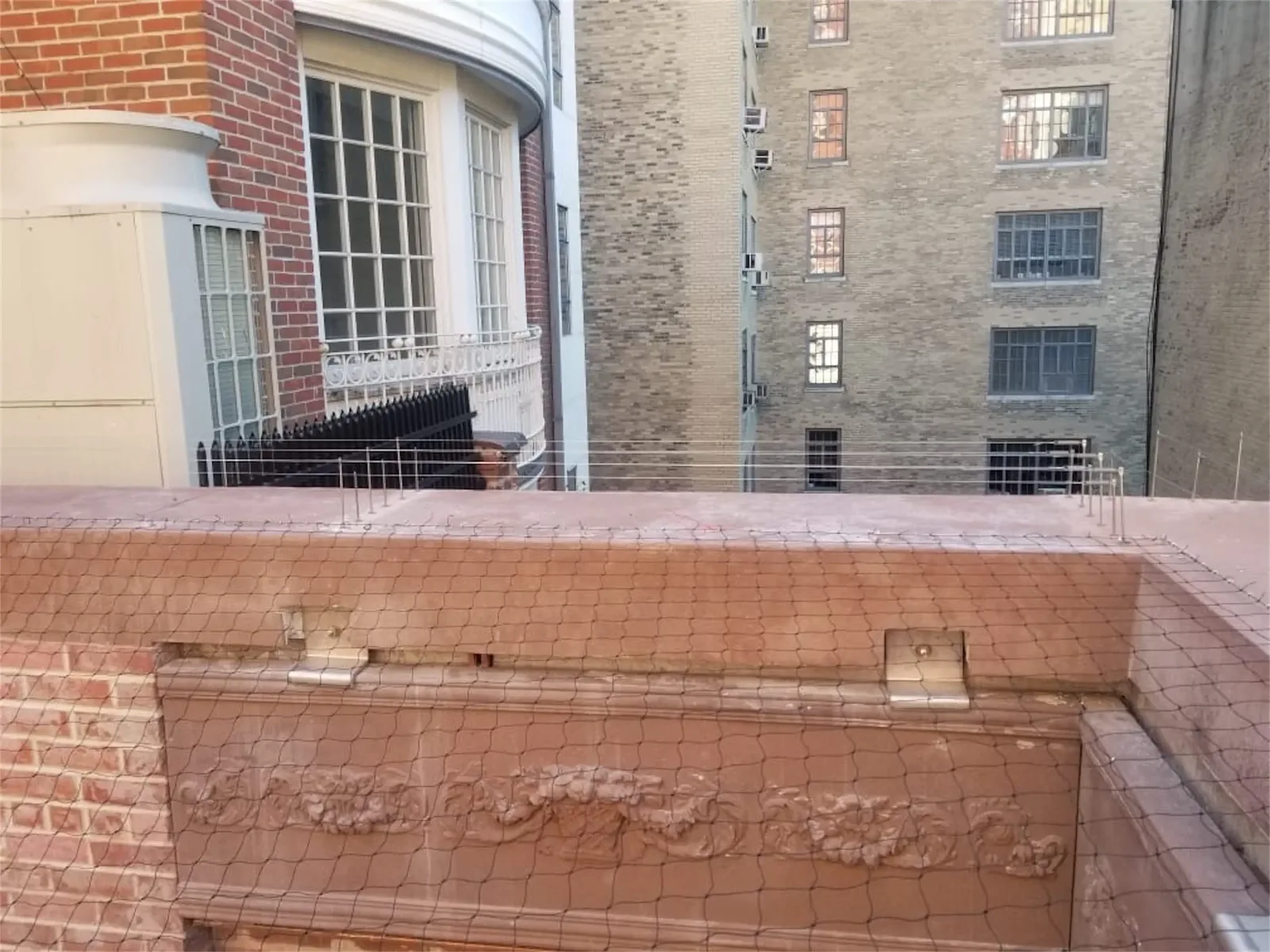

On oceanfront properties or large flat roofs, we frequently combine wire-grid systems with netting or hard exclusion to cover the full footprint a colony can access.
See your gull and seabird deterrent options
Every coastal and rooftop site is different, so we match the deterrent to the surface, the flock size, and how the building is used.
The case for acting early
Gull droppings are more than a housekeeping issue. They're acidic enough to eat into roofing membranes, paint, and concrete over time, and they can harbor bacteria and parasites that pose a real health risk to staff and visitors. Nesting gulls are also territorial, and aggressive dive-bombing near a colony is a common complaint at properties with rooftop access or outdoor seating. The longer a colony holds a roof, the larger it grows, since gulls return to successful nesting sites and bring the next generation with them. Acting before nesting season starts is almost always cheaper and simpler than removing an established colony.
How a seagull control job runs
Every job follows the same disciplined process, whether it's a single storefront roof or a full oceanfront complex.
- Site survey. We map roosting areas, nesting pressure, and the food sources drawing gulls in, then decide the deterrent based on the site, not a catalog.
- Matched install. Trained crews fit wire-grid, netting, spikes, or wire cleanly and to spec, preserving the building's appearance.
- Cleanup & sanitize. We clear droppings and nesting debris, then disinfect the affected surfaces.
- Follow-up. We check back through nesting season, since a partial fix invites gulls to test the next open spot.
Humane, permitted, and proven
Every method we install is non-lethal and follows federal and state migratory bird rules. Exclusion and deterrence move gulls off a property without harming them, and where population growth is the underlying issue we can use OvoControl, a humane avian birth control that keeps eggs from hatching. It's the standard commercial and municipal clients expect along the coast, and the one we've held for more than thirty years.
Seagull and seabird control for every kind of property
We provide seagull and seabird control for a wide range of commercial, municipal, and residential customers across New Jersey, New York, and Connecticut.
Our process for Seagull or Seabird Control & Deterrent Services.
Species Identification
Effective control starts with confirming the bird. We identify the species, flock size, and behavior on your property — roosting, nesting, or feeding — because each species responds to different deterrents.
Pressure & Damage Survey
We map where droppings, nesting material, and landing pressure concentrate, and what the activity is costing you in cleanup, damage, and health risk.
Humane Deterrent Plan
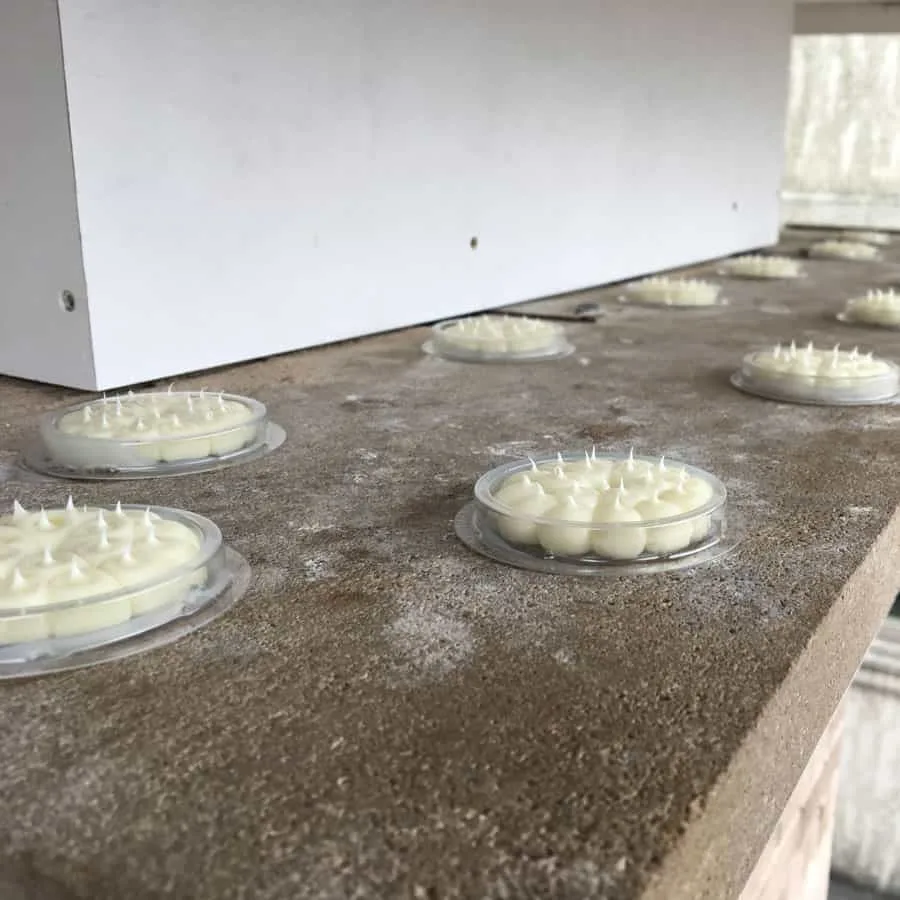
We match the right combination of netting, spikes, wire, shock track, or hazing to the species and the structure — humane, non-lethal, and compliant with migratory bird regulations.
Install, Clean & Maintain
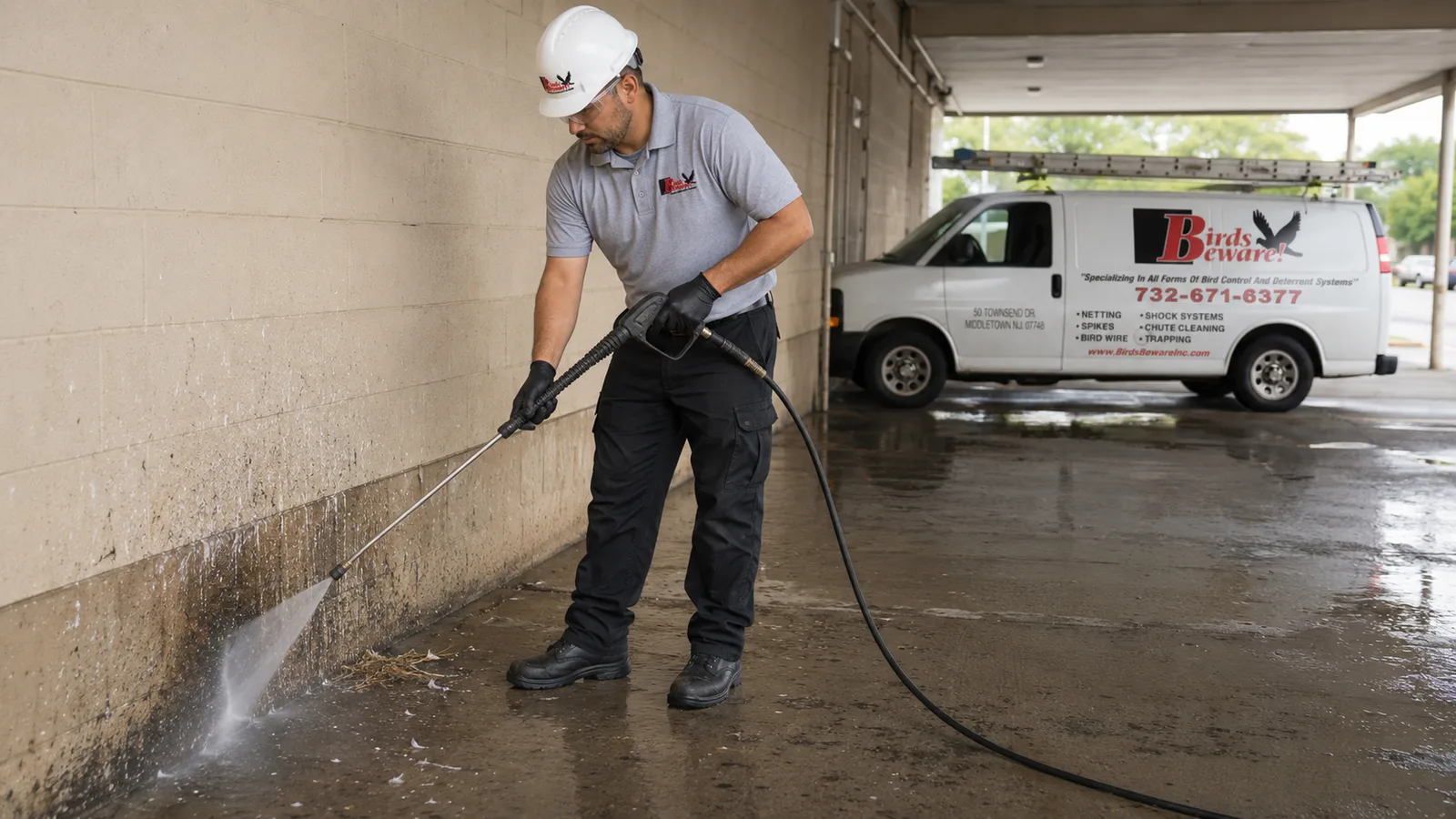
Our crews install the deterrents, pressure-wash and disinfect the mess left behind, and schedule follow-ups so the flock does not simply move to the next ledge.
Questions we get about seagull and seabird control
Don't see your question? Call the owner directly — we're glad to talk through your property.
Call us(732) 558-2464Bird Control, Species & Deterrents


Site Resources for You
Guides, answers, and company pages — everything else you might need.
Bird Resources
Canada Geese Resources
- Resources for Canada GeeseThe geese knowledge hub.
- Hazing TechniquesHow humane hazing actually works.
- Canada Goose BiologyWhy geese behave the way they do.
- Control MethodsEvery method, and when each applies.
- Geese FAQsCommon questions, straight answers.
- Signs of a Geese InvasionEarly warnings a flock is settling in.
- Geese & Human Health MythsWhat's real and what's exaggerated.
- Property Damage from GeeseTurf, water, and walkway damage explained.
Get in Touch
Choose how to reach us and tell us about your bird or Canada geese problem.