

Signs of A Bird Flock Infestation
Signs of A Bird Flock Infestation: practical guidance, safe next steps, compliance notes, and when to call Birds & Geese Beware for help.

Signs of a bird flock infestation across NJ, NY & CT
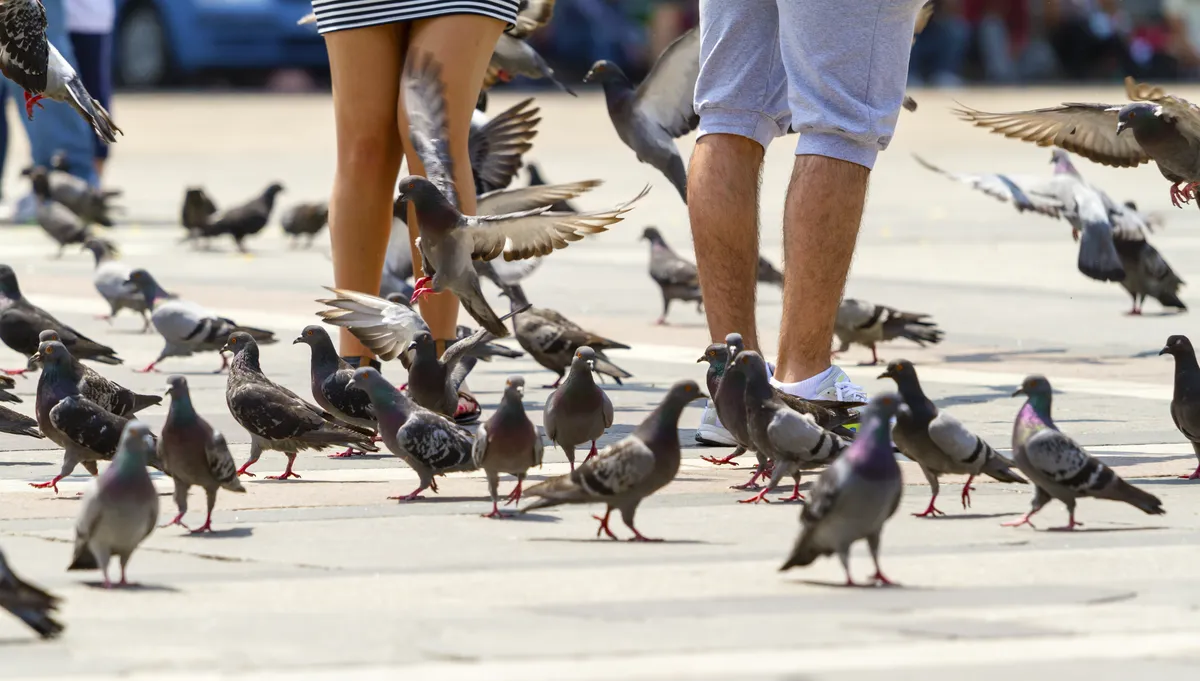
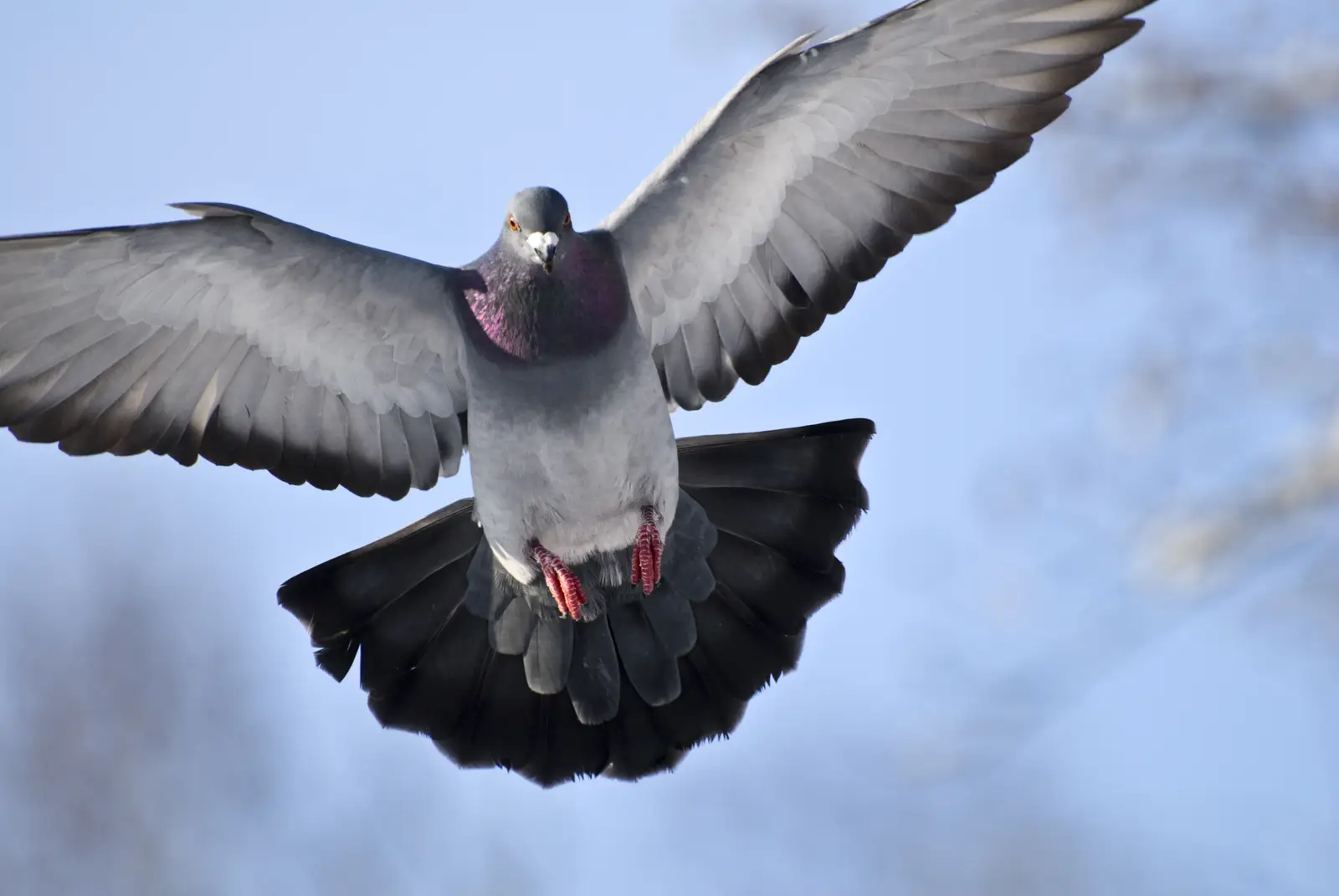
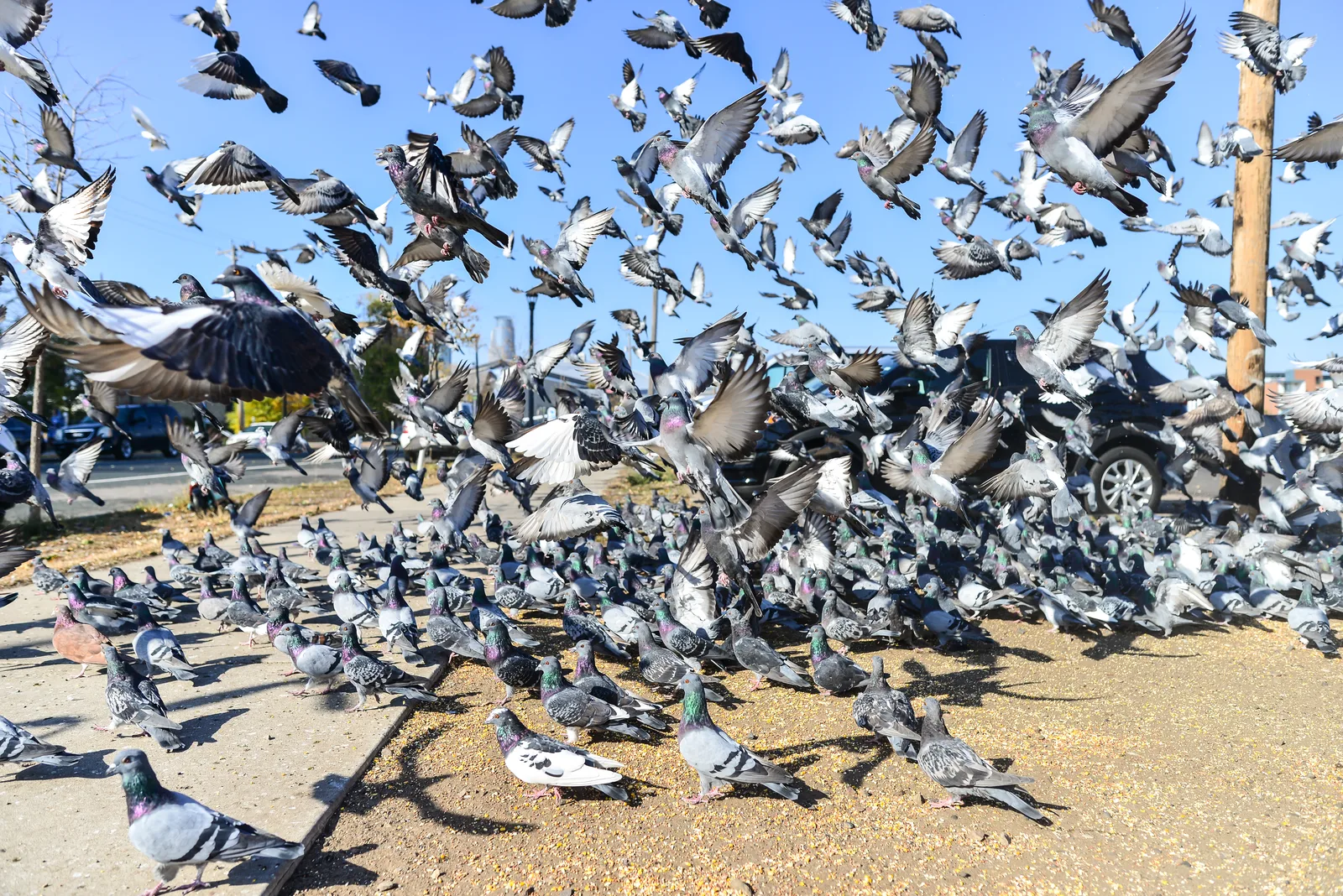
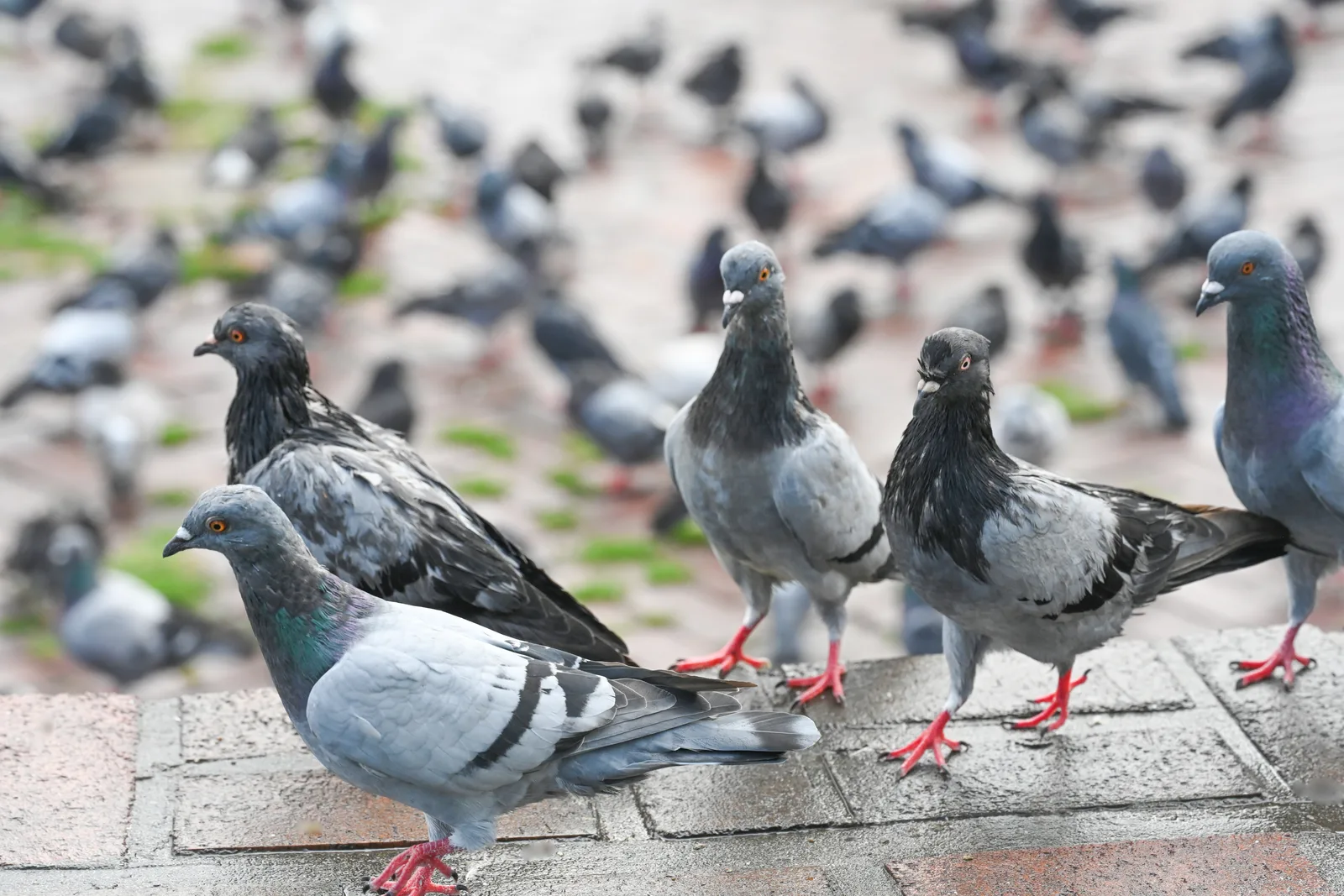
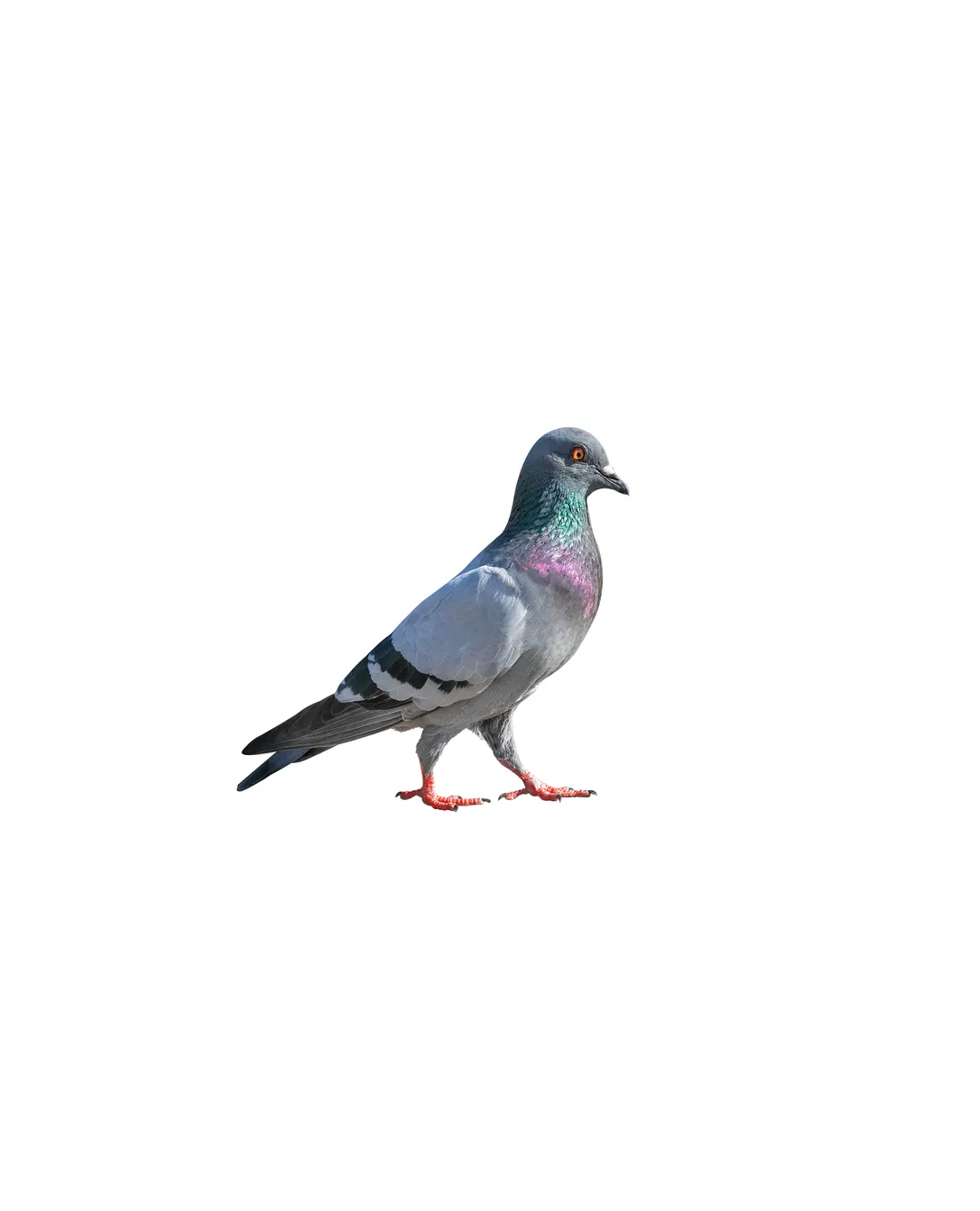
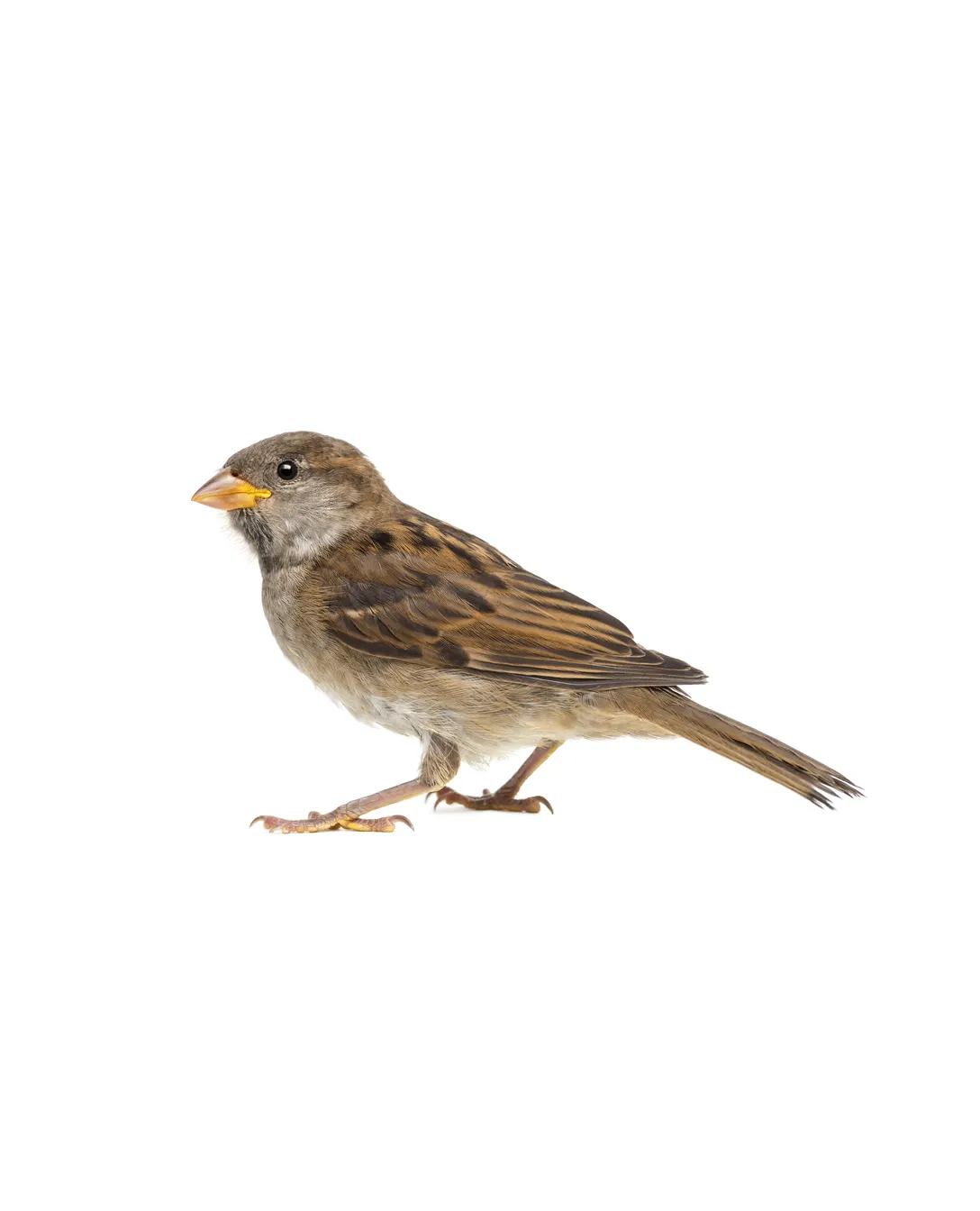
A bird problem rarely announces itself all at once. It usually starts with a few pigeons or sparrows testing a ledge, and by the time the noise, droppings, and mess are impossible to ignore, a full roost has already settled in. Recognizing the early signs of an infestation is what keeps a manageable issue from turning into a costly cleanup and repair job.
Birds & Geese Beware, Inc. has identified and resolved bird infestations on commercial, municipal, and residential properties throughout New Jersey, New York, and Connecticut since 1991. Here is what we look for, and what it usually means.
Visual signs of an infestation
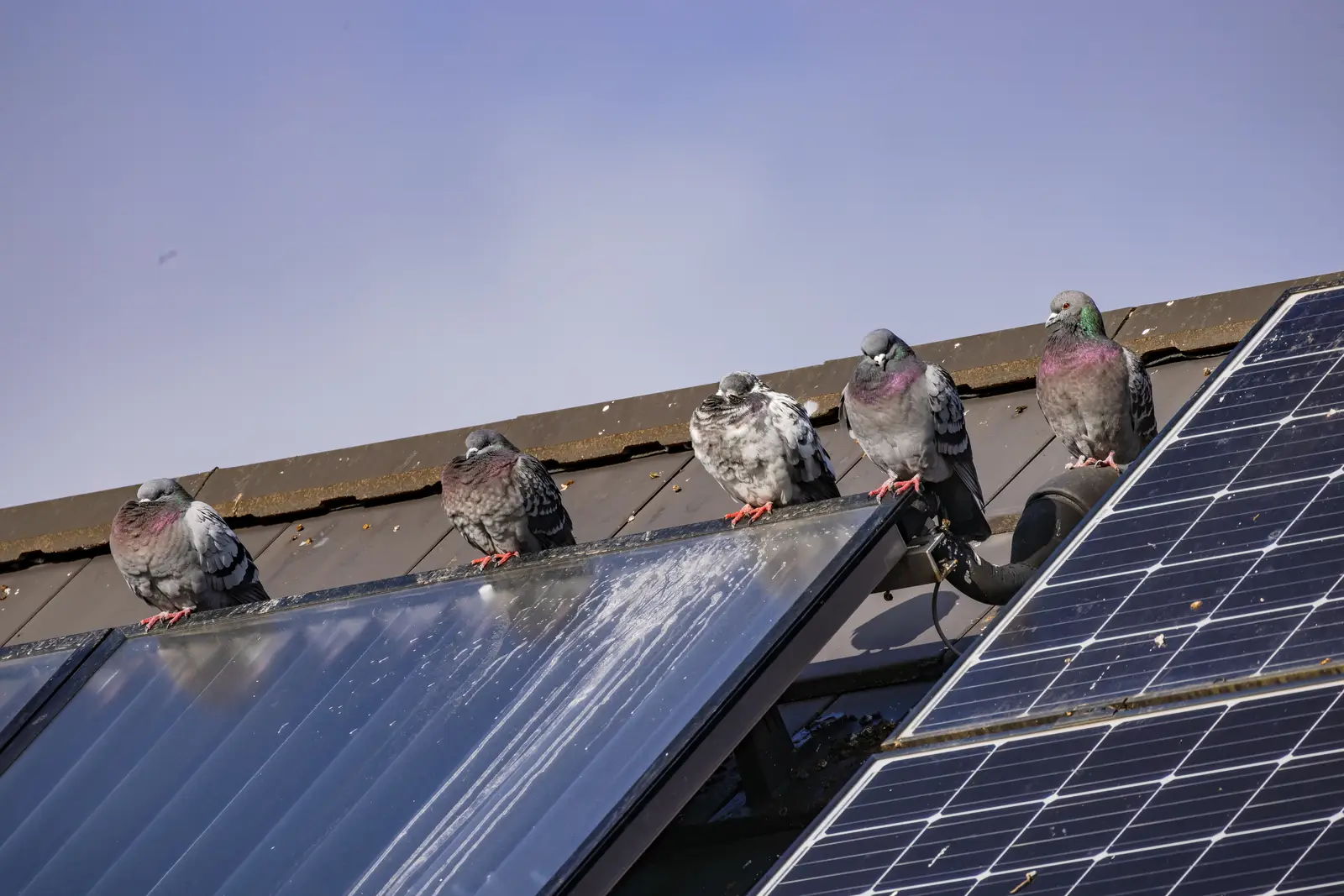
- Feathers scattered around ledges, entrances, or rooflines
- Droppings accumulating on ledges, pavement, or equipment, which are unsightly and can damage the surfaces underneath
- Peck marks or damage on siding, gutters, and vents
- Nesting materials and debris collecting in eaves, on rooftops, or around vents
Any one of these on its own might be a passing bird. Several together, especially near the same spot, usually point to an established roost.
Audible signs of an infestation
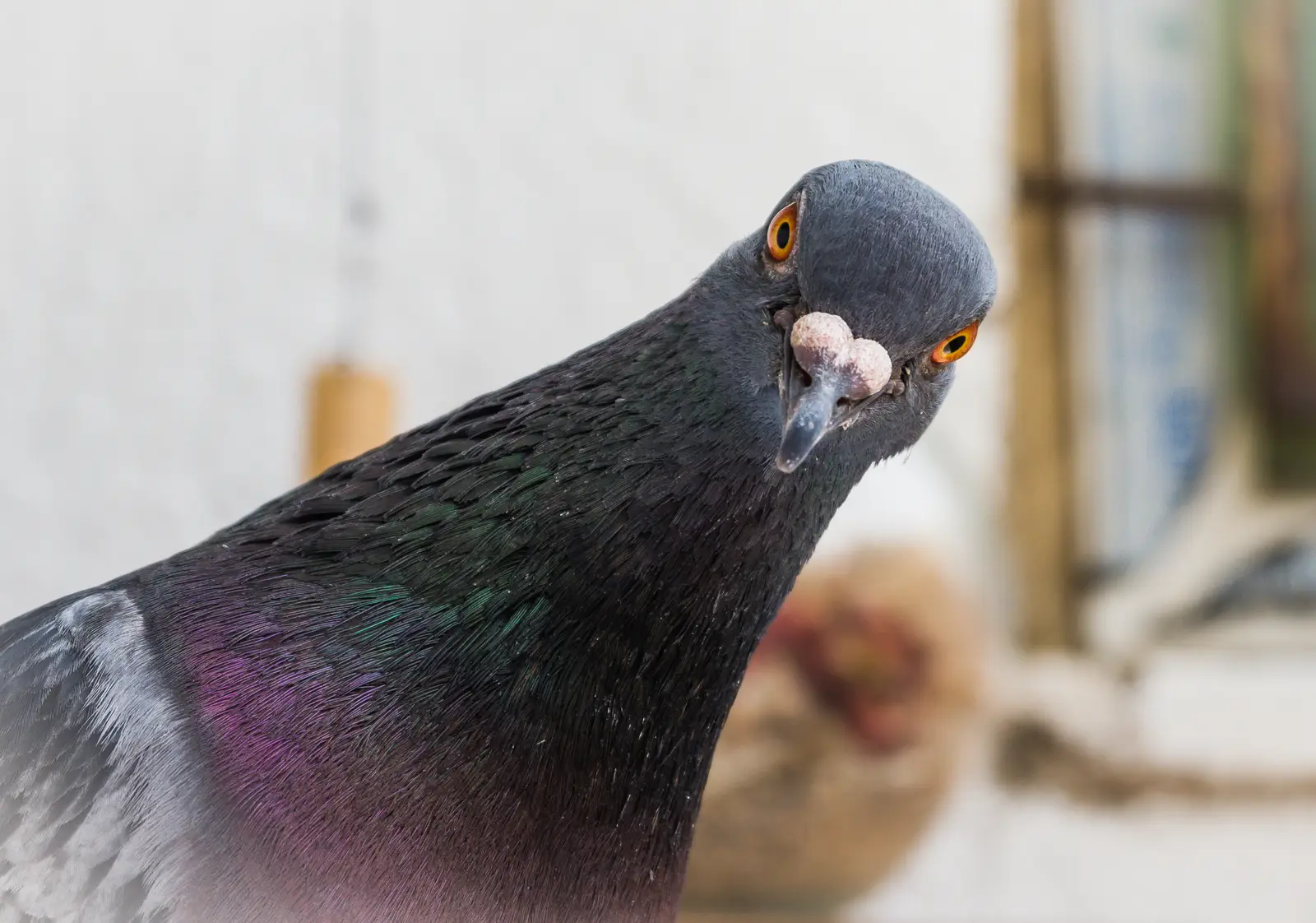
Persistent bird calls, especially the cries of young chicks during breeding season, are a strong indicator that birds have settled in rather than just passing through. A consistent pattern of noise from the same location, day after day, usually means an active nest rather than occasional visitors.
Where infestations are most common
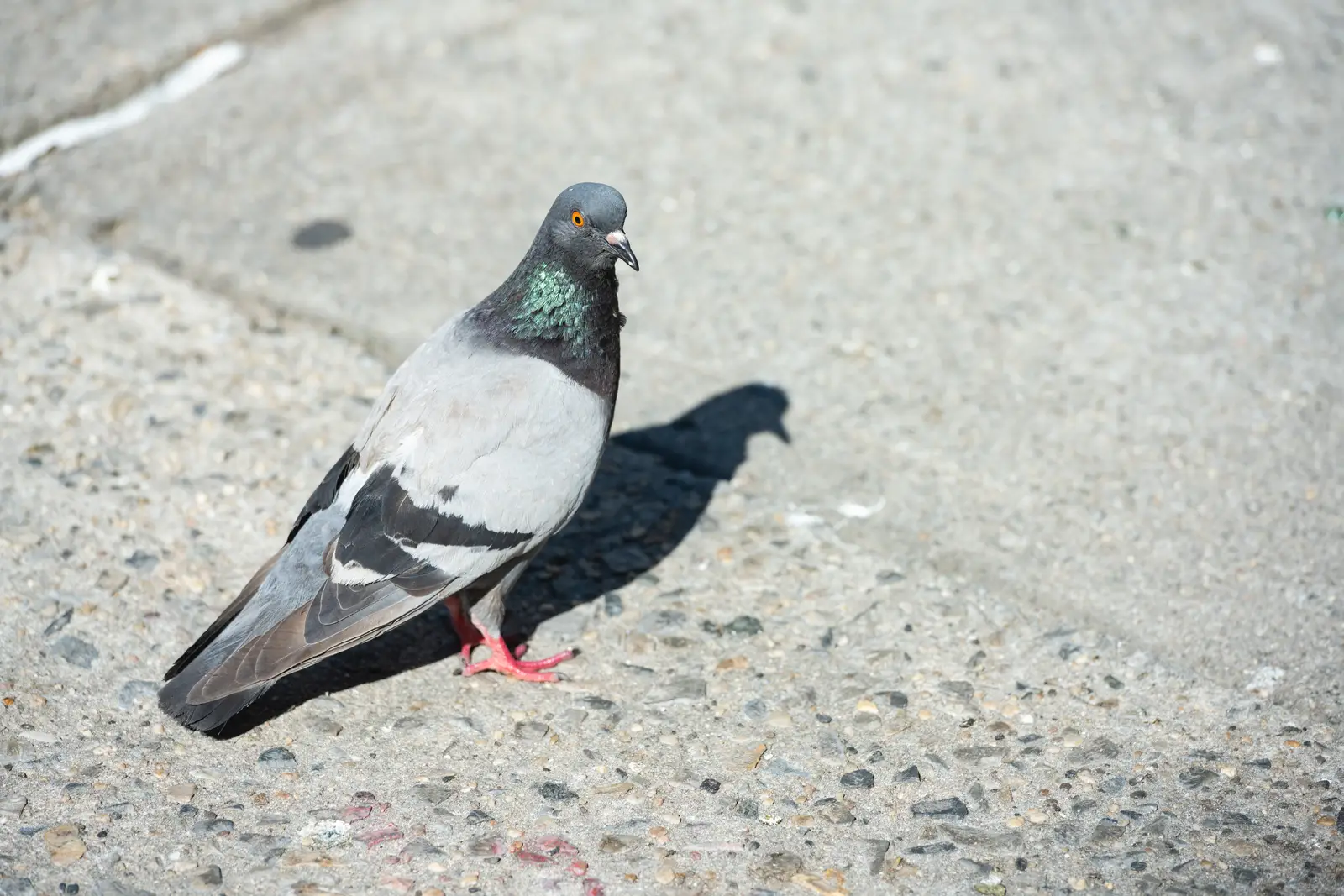
In dense urban areas across New Jersey, New York, and Connecticut, buildings with flat roofs, ledges, and signage are the most common infestation points we treat.
The risks of leaving an infestation unaddressed
Droppings left in place are acidic enough to corrode roofing material and metal over time, and nesting debris that clogs gutters leads to water damage and dampness. Health risks build alongside the property damage, since accumulated droppings and old nesting material can harbor bacteria and parasites that spread beyond the immediate roost. The longer an infestation goes unaddressed, the more it costs to clean, repair, and prevent from recurring.
Prevention and professional control
Simple habits reduce the odds of a flock settling in the first place: keeping trash sealed, removing accessible food sources, and maintaining exteriors so there are no easy entry points into vents or eaves. These steps help, but they rarely stop a determined flock on their own.
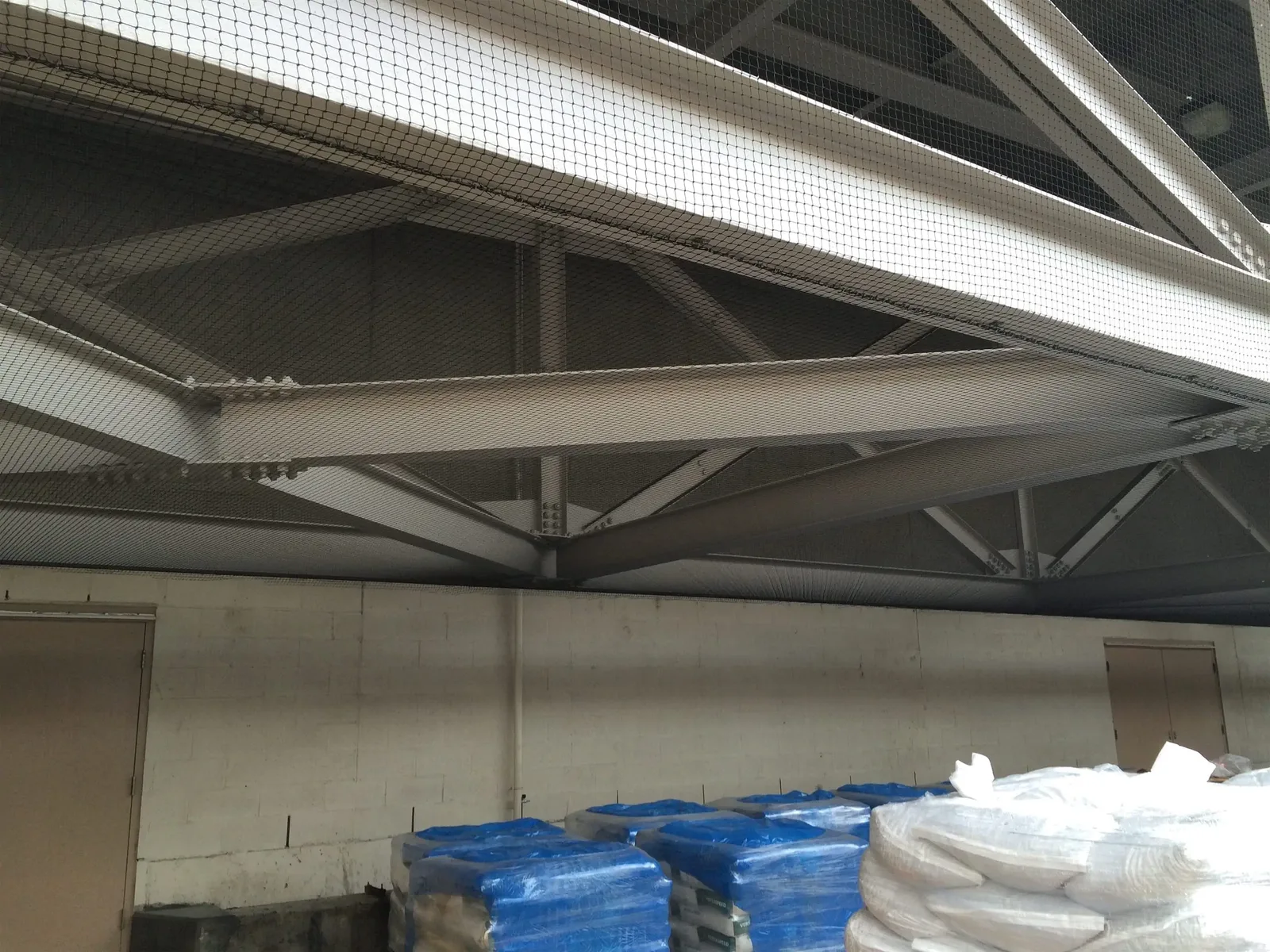
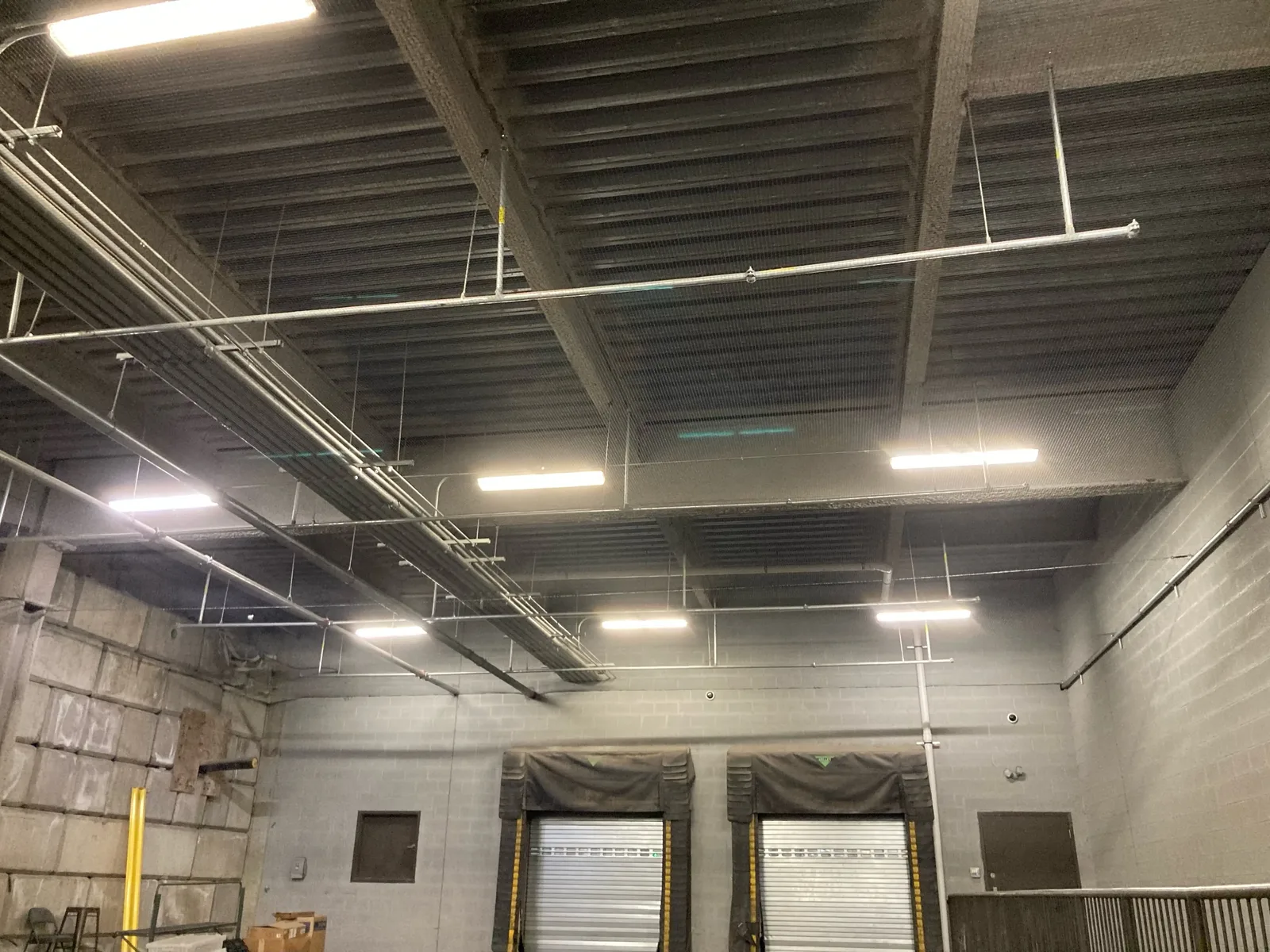
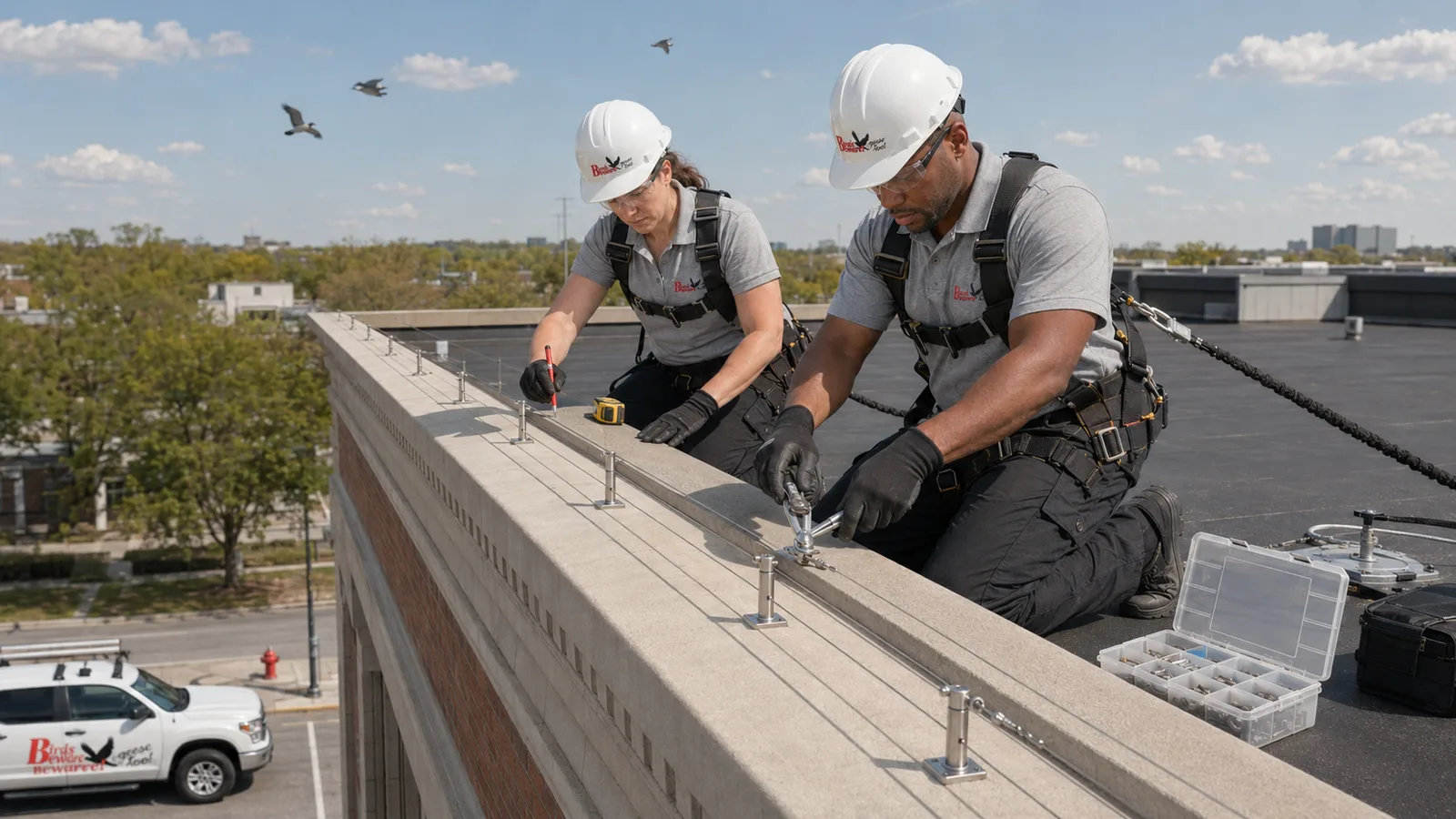
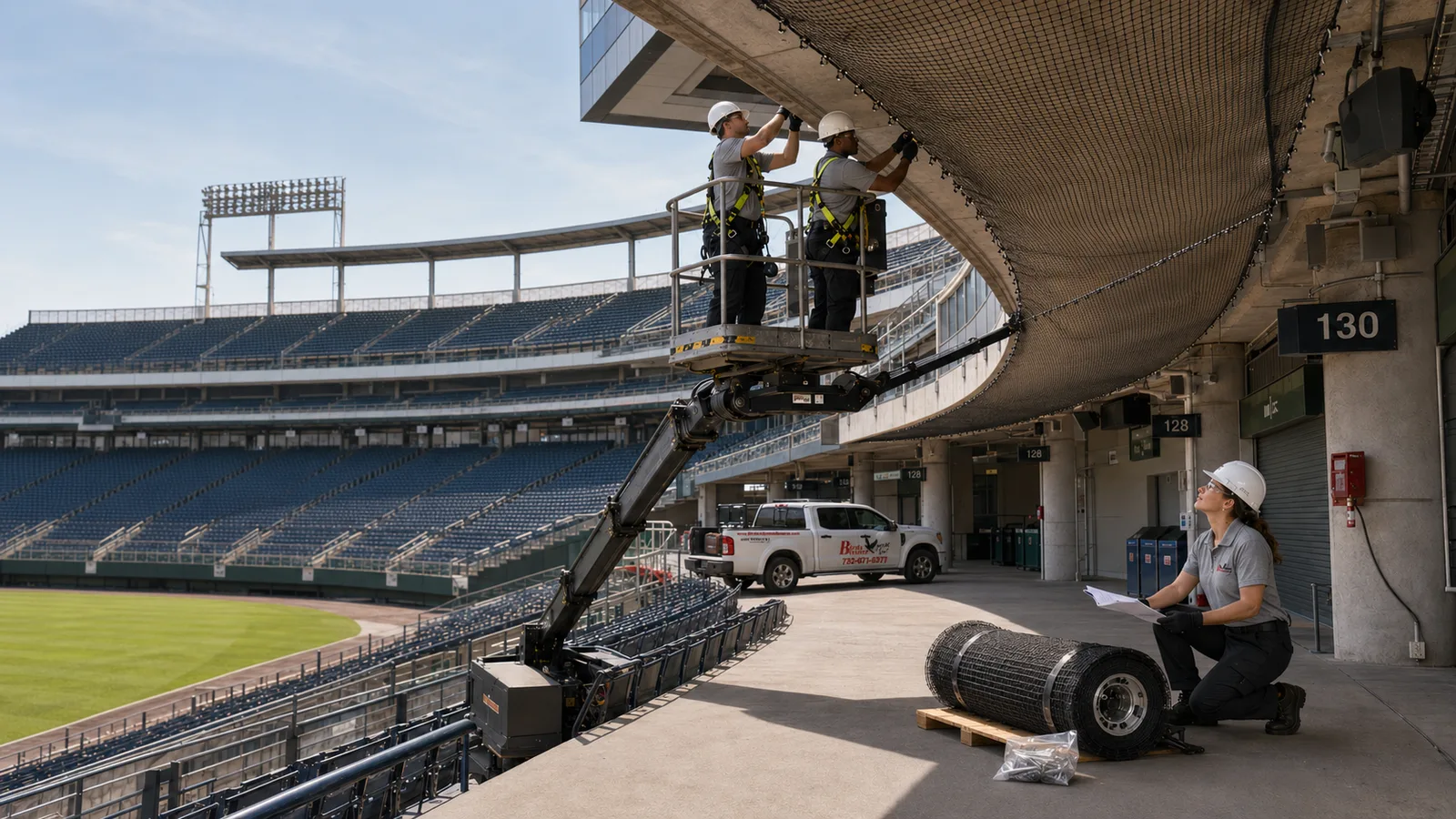
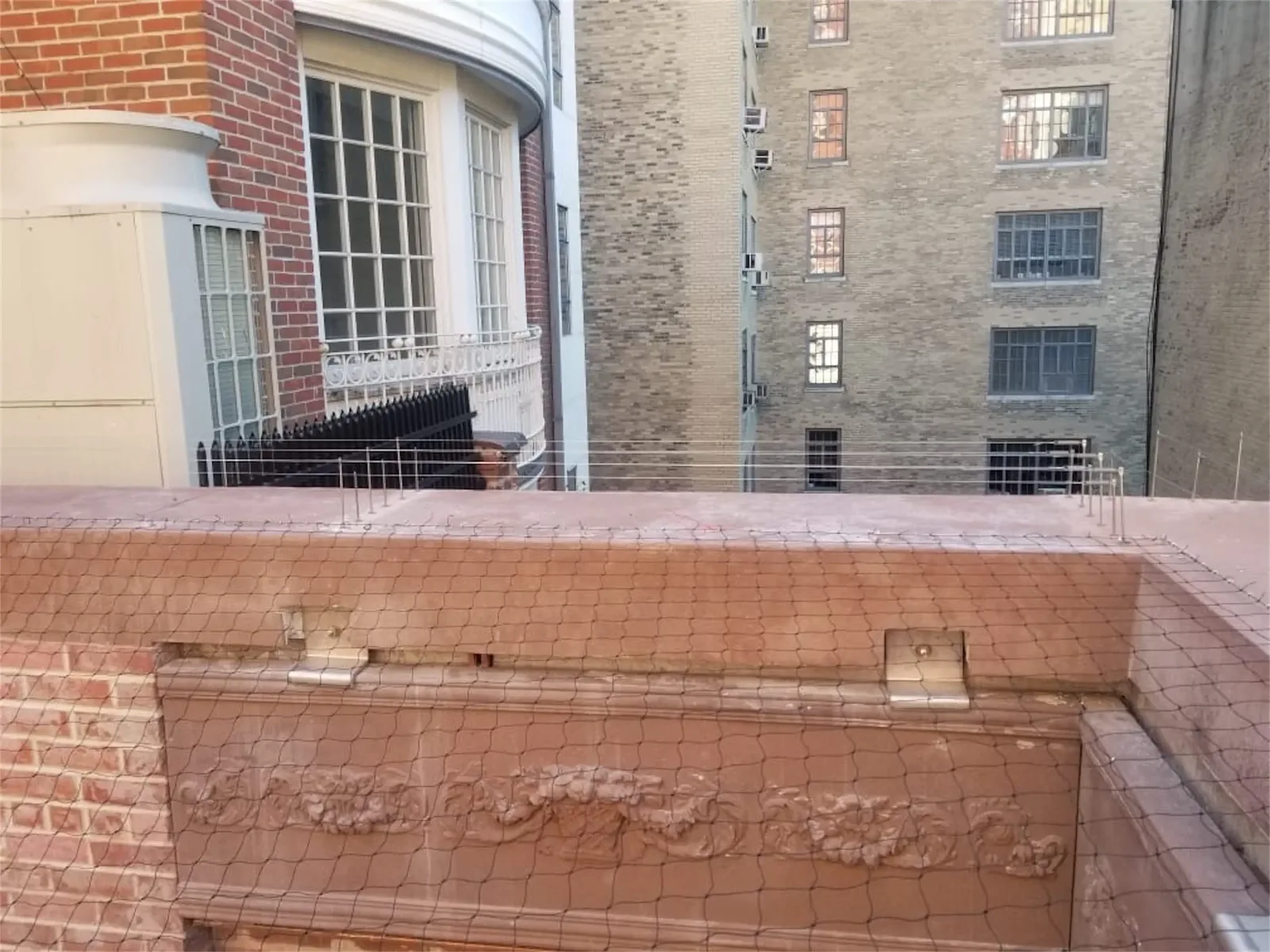
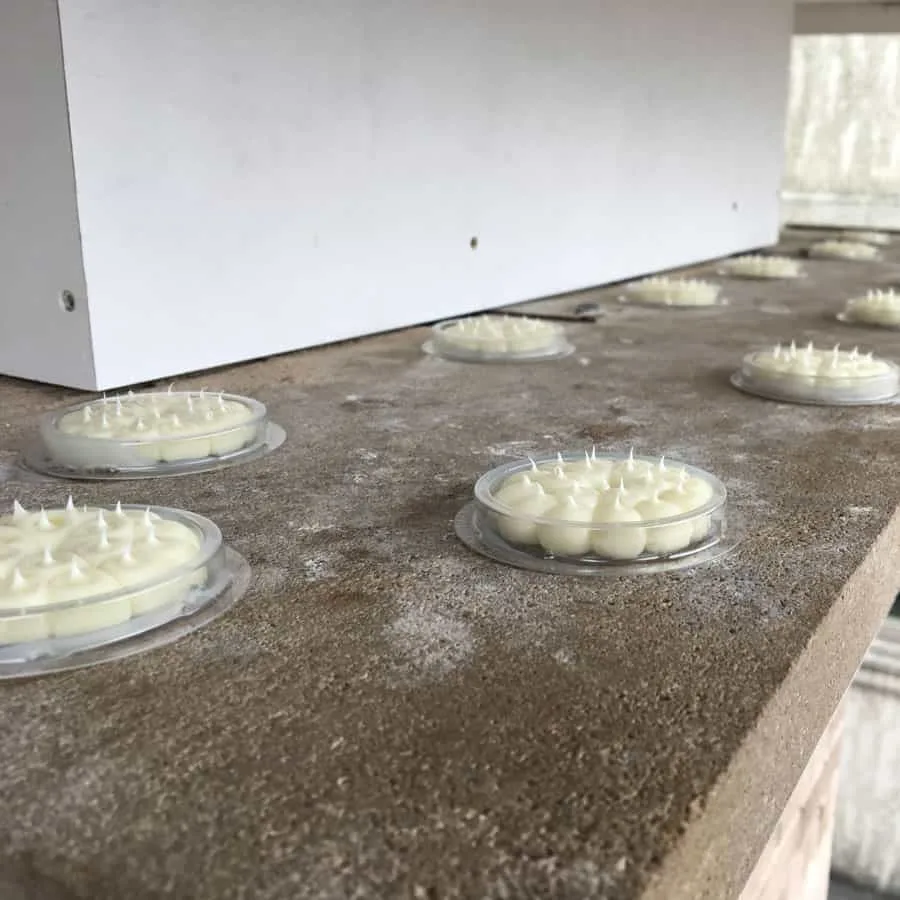
Professional deterrents close the gap. We match spikes, netting, wire, or hard exclusion to the specific ledge, roofline, or opening involved, targeting the roost and entry points directly rather than just scaring birds off temporarily.


See the complete lineup on our bird deterrents page, or read up on the species most often behind these infestations on our species of birds pages.
Legal considerations
Even nuisance birds are subject to state and federal migratory bird protections, which means intervention has to stay within the law regardless of how established the flock is. We build every plan around humane, compliant methods, so a property is cleared without creating legal exposure for the owner.
Cleanup after an infestation
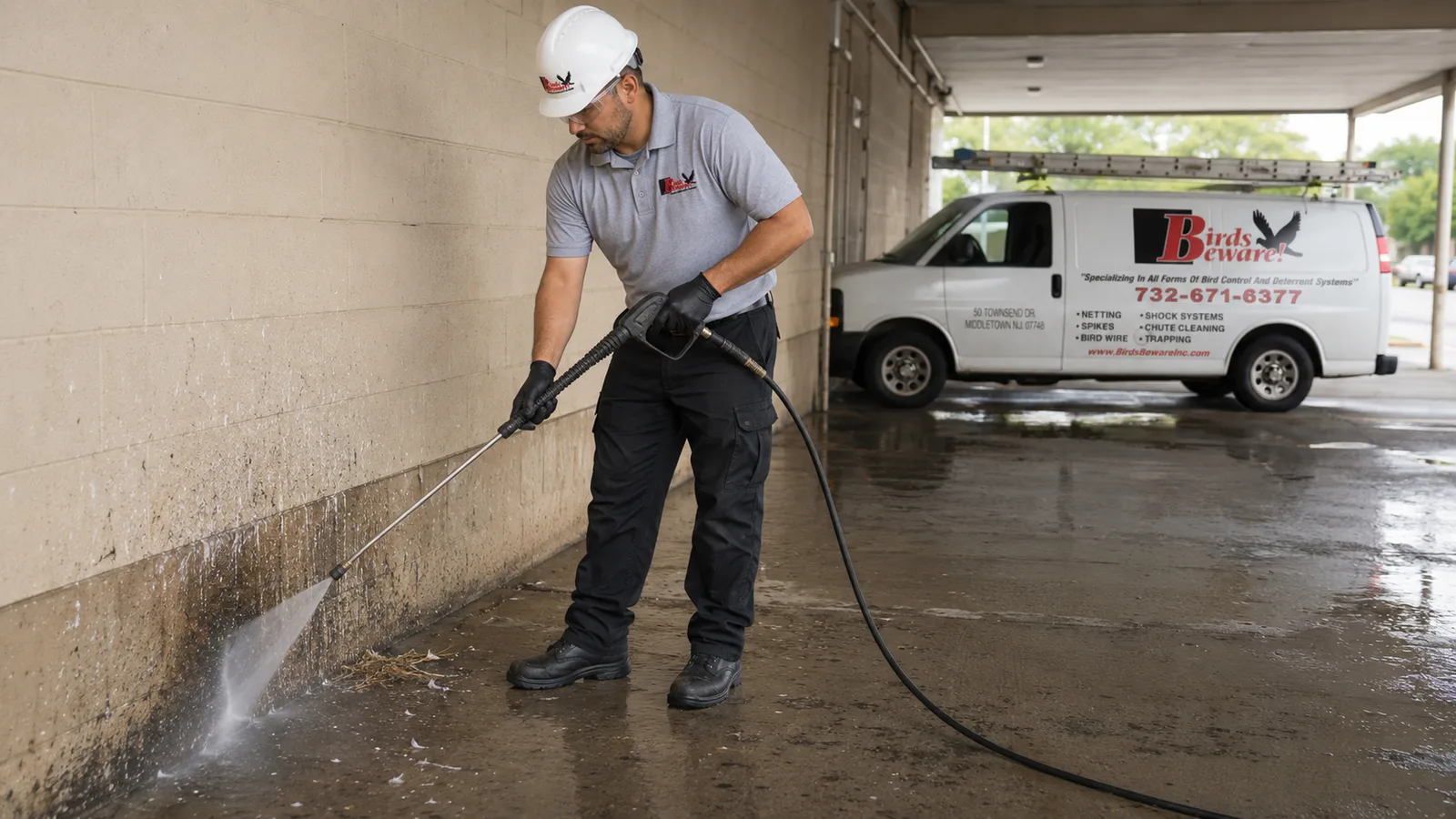
Once the birds are excluded, the focus shifts to restoring the property. Droppings and nesting debris are removed and the area is disinfected to reduce any lingering health risk, and any damaged material is repaired so the same spot does not invite the next flock. For a closer look at what unmanaged nesting does to a structure, see our guide on property damage caused by birds nesting, or read how we remove nuisance birds for the full process from identification through follow-up.
Property managers who catch the signs early usually see a faster, cleaner resolution, since a small roost takes less work to exclude and less cleanup once the birds are gone. Waiting until droppings and noise become unmistakable almost always means a bigger job, so a quick call as soon as the first signs appear tends to save time and money down the line.
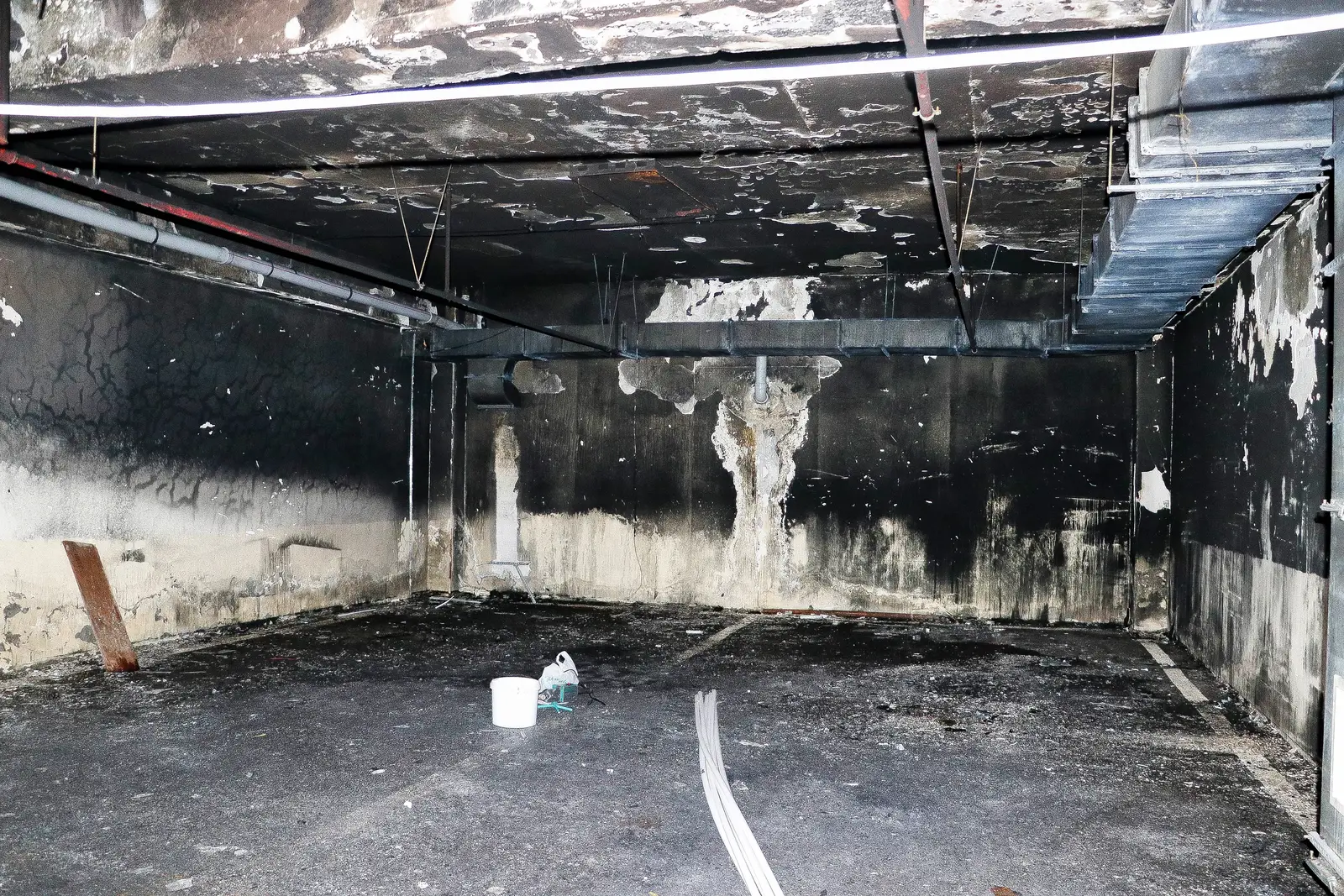
Questions we get about bird flock infestations
Don't see your question? Call the owner directly — we're glad to talk through your property.
Call us(732) 558-2464Bird Control, Species & Deterrents


Customers We Serve
Site Resources for You
Guides, answers, and company pages — everything else you might need.
Bird Resources
Canada Geese Resources
- Resources for Canada GeeseThe geese knowledge hub.
- Hazing TechniquesHow humane hazing actually works.
- Canada Goose BiologyWhy geese behave the way they do.
- Control MethodsEvery method, and when each applies.
- Geese FAQsCommon questions, straight answers.
- Signs of a Geese InvasionEarly warnings a flock is settling in.
- Geese & Human Health MythsWhat's real and what's exaggerated.
- Property Damage from GeeseTurf, water, and walkway damage explained.
Get in Touch
Choose how to reach us and tell us about your bird or Canada geese problem.