

Zoo Bird Control
Zoo Bird Control from Birds & Geese Beware. Practical bird control planning, FAQs, and service guidance across NJ, NYC, NY, and CT.












Zoos need wild birds kept out of animal enclosures and feed storage without disturbing the exhibits guests come to see. We protect the operational side of the property.
Feed Storage & Building Exclusion
Netting and screening fitted to feed rooms, keeper buildings, and non-exhibit structures.
Exhibit-Safe Methods
Deterrents kept away from animal enclosures and public exhibit areas.
Cross-Contamination Prevention
Exclusion reduces wild-bird contact with feed and animal-care areas.
Visitor-Hours Scheduling
Work planned around public hours and animal-care routines.
Bird control for zoos & animal parks
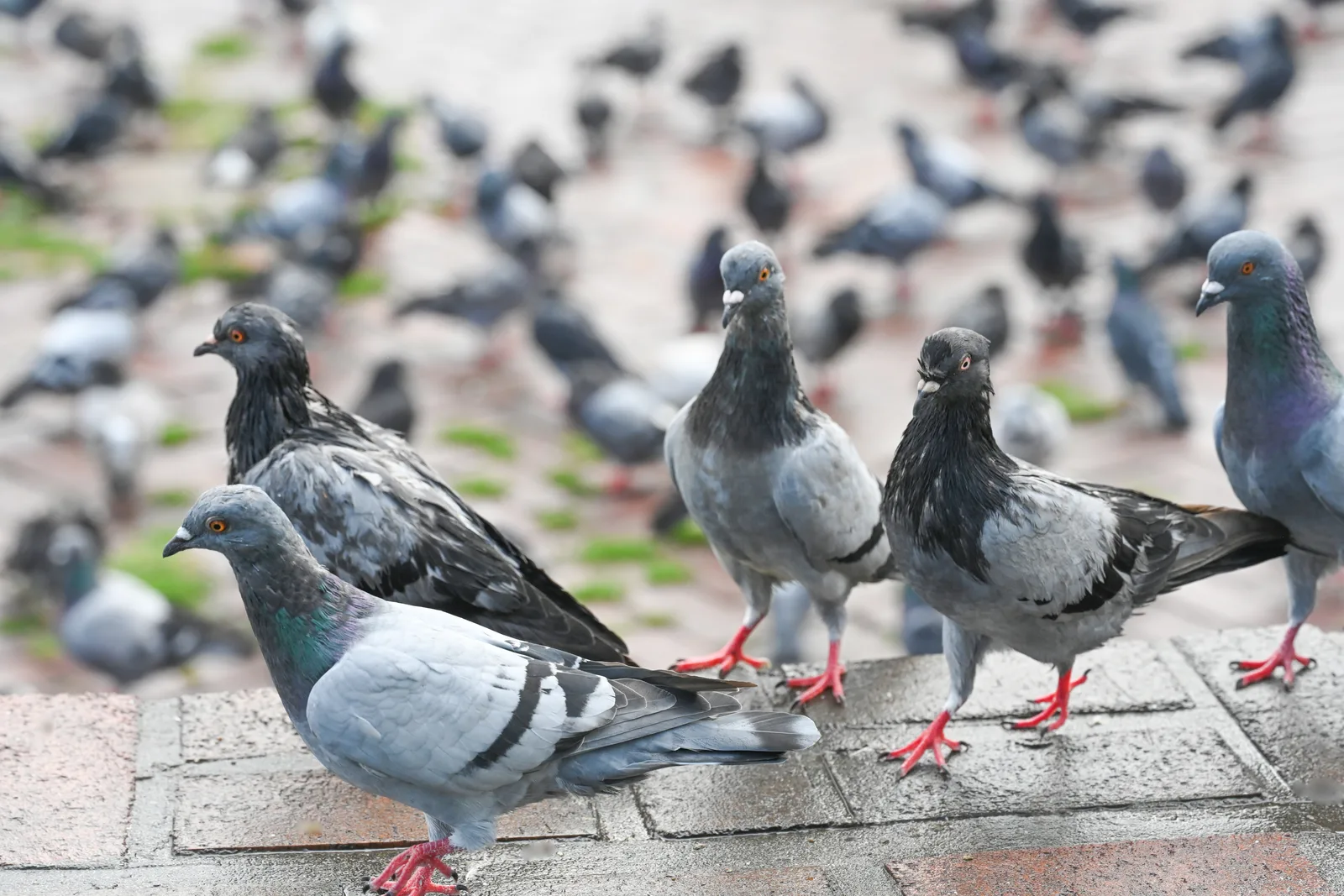
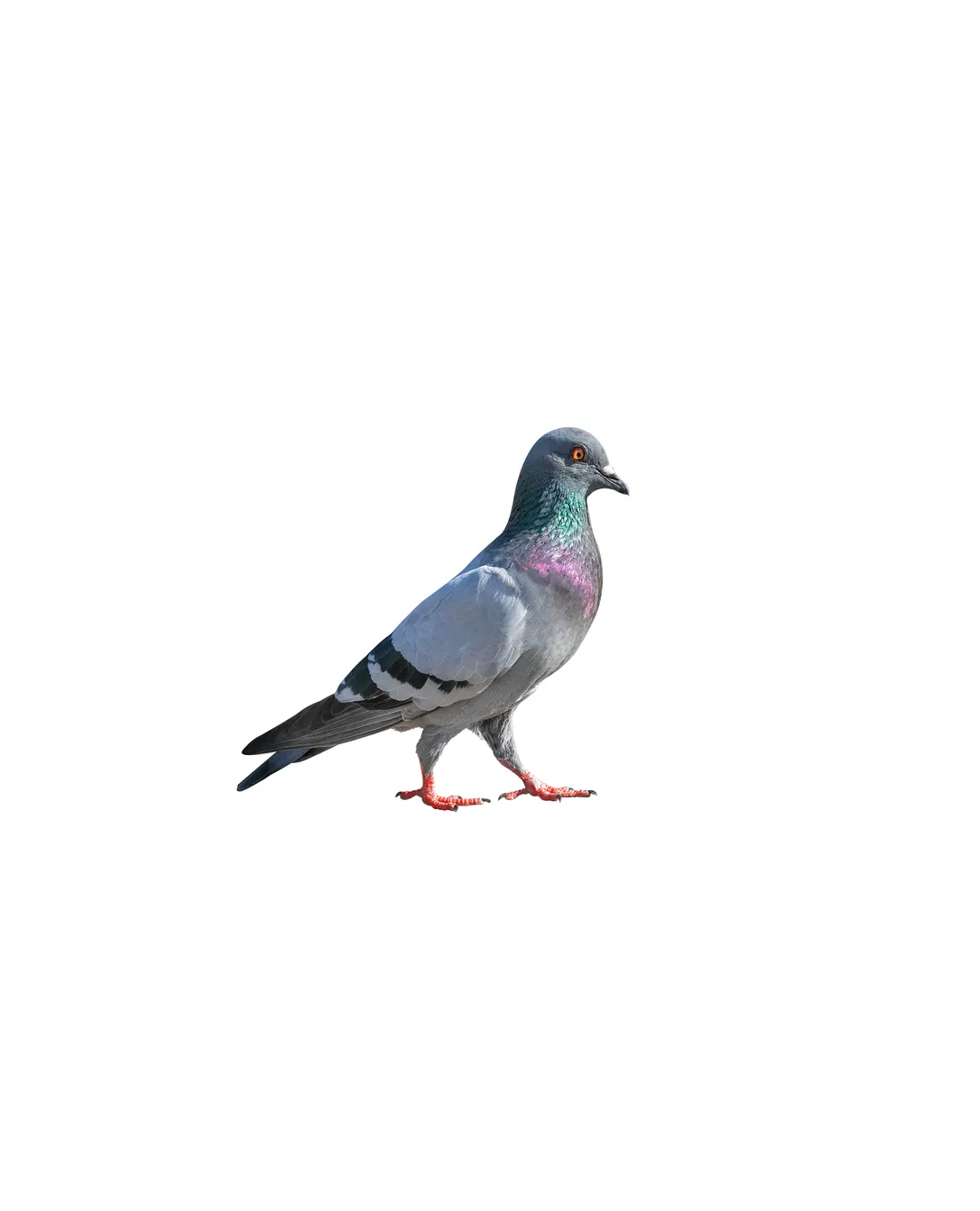
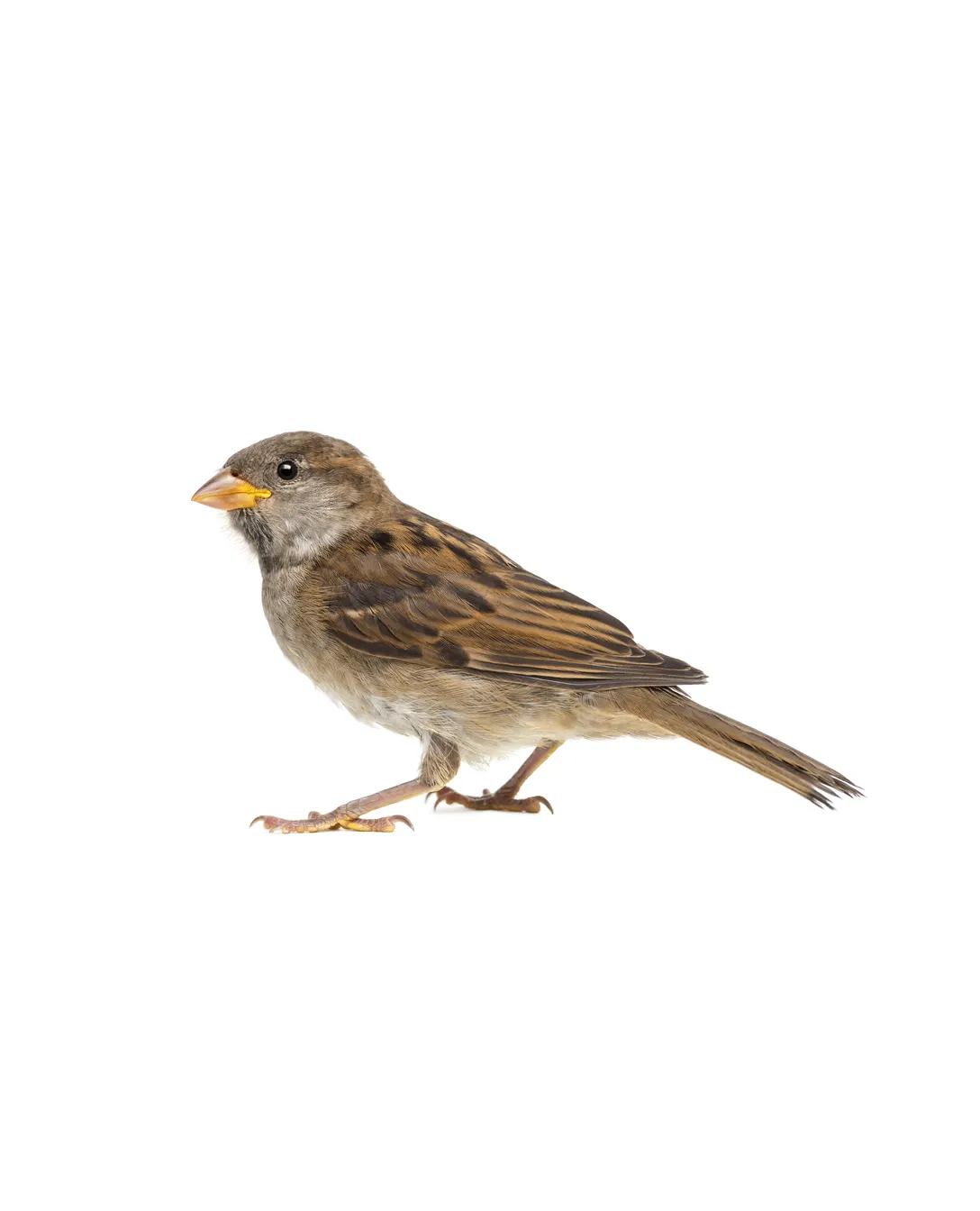
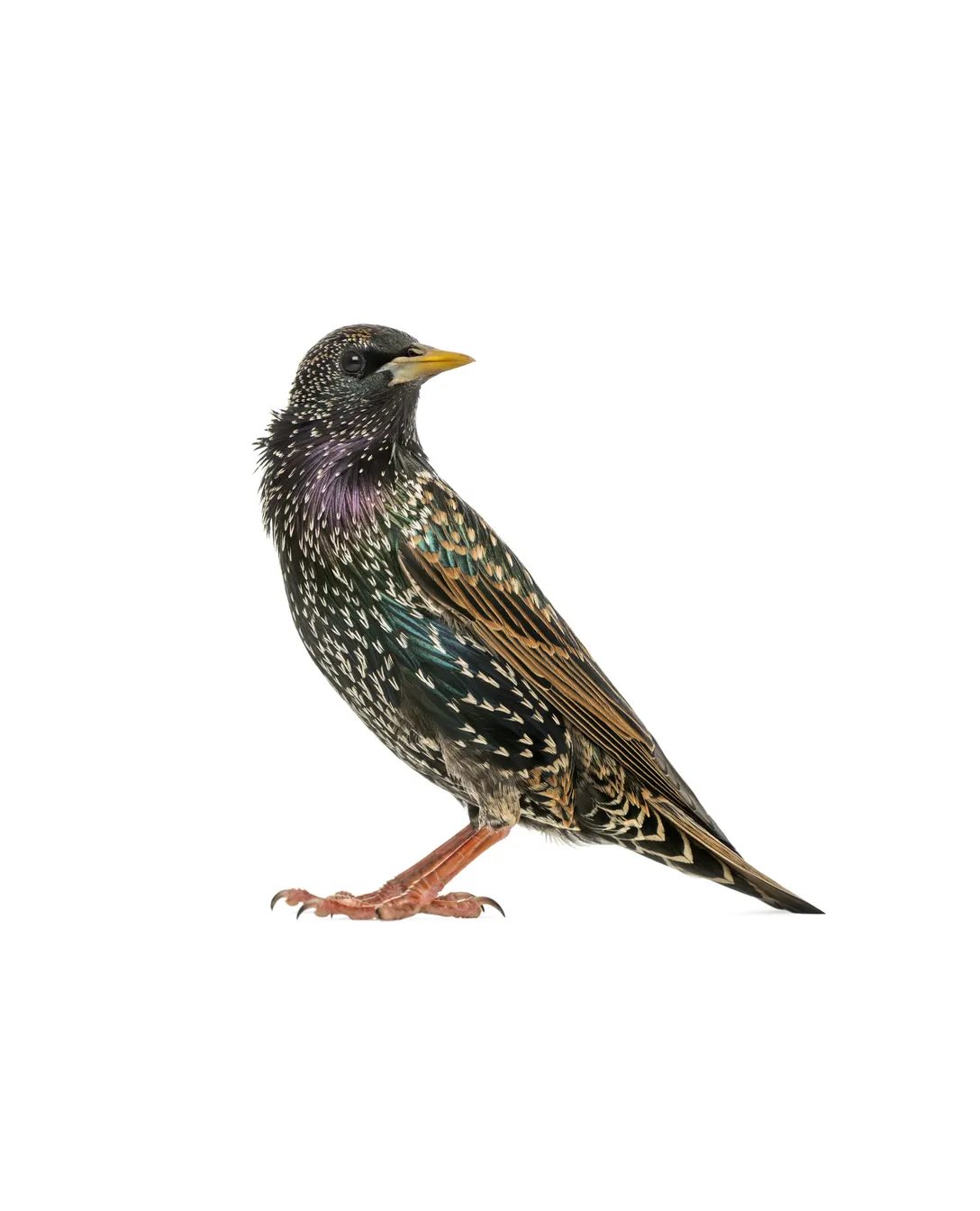
A zoo is one of the most sensitive environments we work in. Wild pigeons, sparrows, and starlings are drawn to open feeding stations, exhibit structures, and concession areas, but the fix has to work around exhibit animals, visitor flow, and welfare protocols that don't apply anywhere else. This is not pest control in the usual sense. It's keeping wild nuisance birds off structures and away from feed, without ever touching the animals in your care.
Birds & Geese Beware, Inc. has worked with zoos and animal parks across New Jersey, New York, and Connecticut since 1991. Every method we use is exclusion-based and installed with your animal care team, targeting exhibit structures, feed storage, and visitor areas while leaving exhibits and enclosures untouched.

Where wild birds create pressure at a zoo
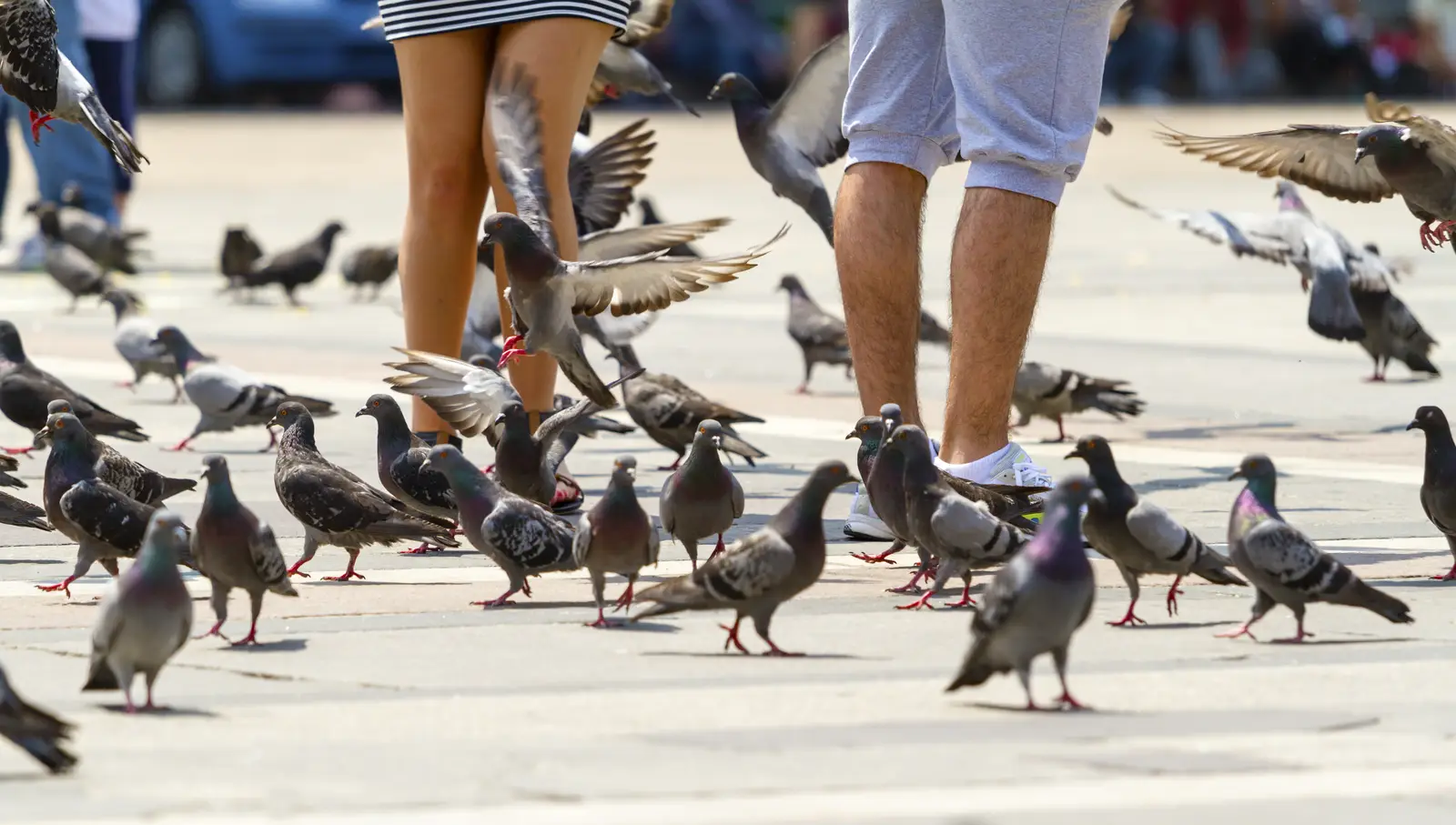
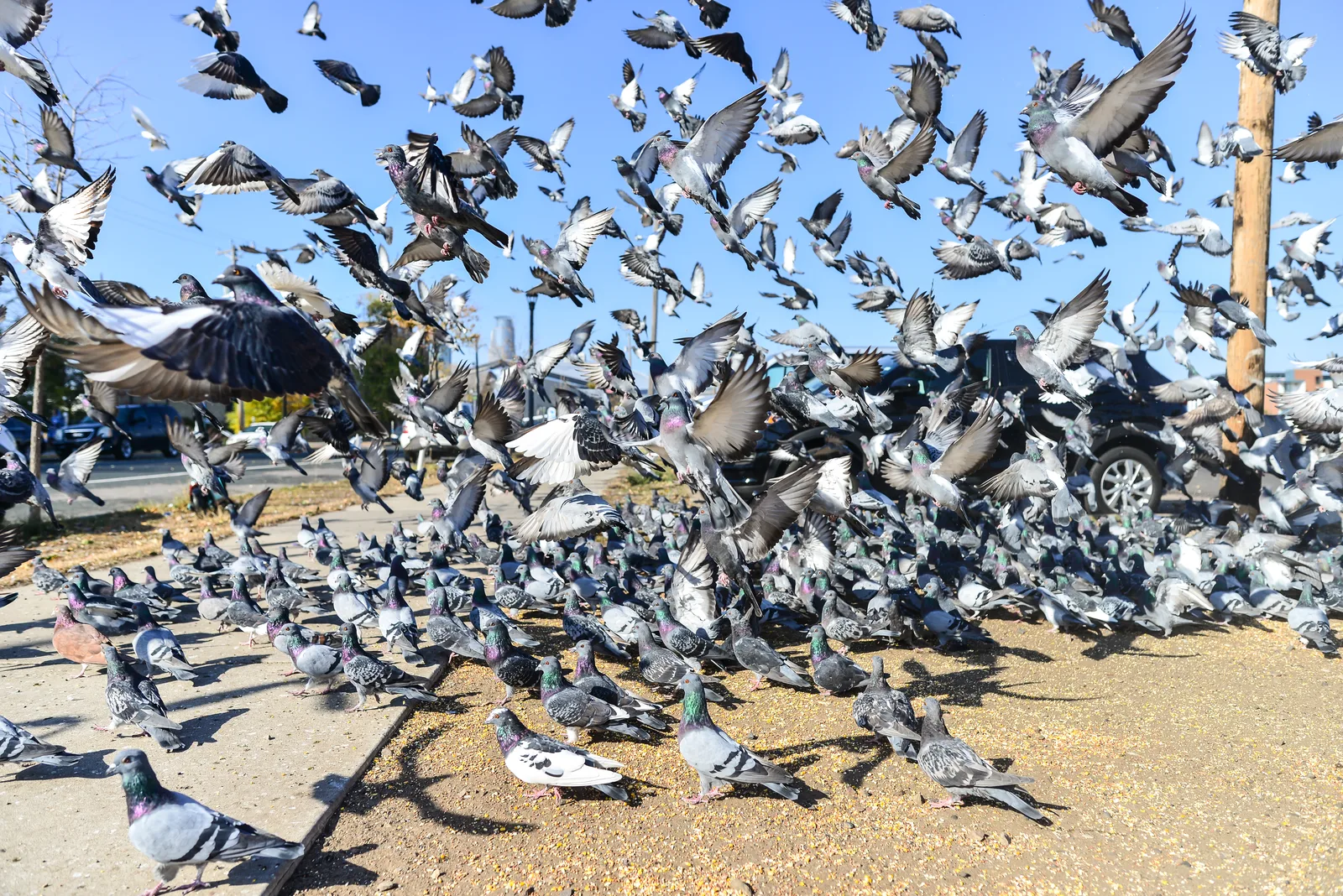
Wild birds settle around a zoo for the same reasons they settle anywhere: shelter and a reliable food source. The difference is how close that overlaps with exhibit operations.
- Feed storage buildings and prep kitchens
- Exhibit canopies, aviary support structures, and shade structures
- Concession areas and picnic pavilions where visitors eat
- Barn and holding-area rooflines near animal feed
Wild birds sharing feed with exhibit animals also raises a disease transmission concern between wild and captive populations, which makes closing off feed areas a welfare priority as much as a maintenance one.
Visitor-facing structures carry their own version of the pressure. A gift shop awning or entrance plaza roofline near a food court draws wild birds looking for dropped snacks all day long, and droppings on a walkway right at the front entrance are the first thing a visiting family notices. We treat those areas with the same care as feed buildings, since first impressions matter for a zoo the same way they matter for any public venue.
Exclusion methods suited to an animal care setting
Every method below works by closing off a space or surface. None of them involve contact with animals, and all are chosen with your animal care staff based on what a given structure allows.
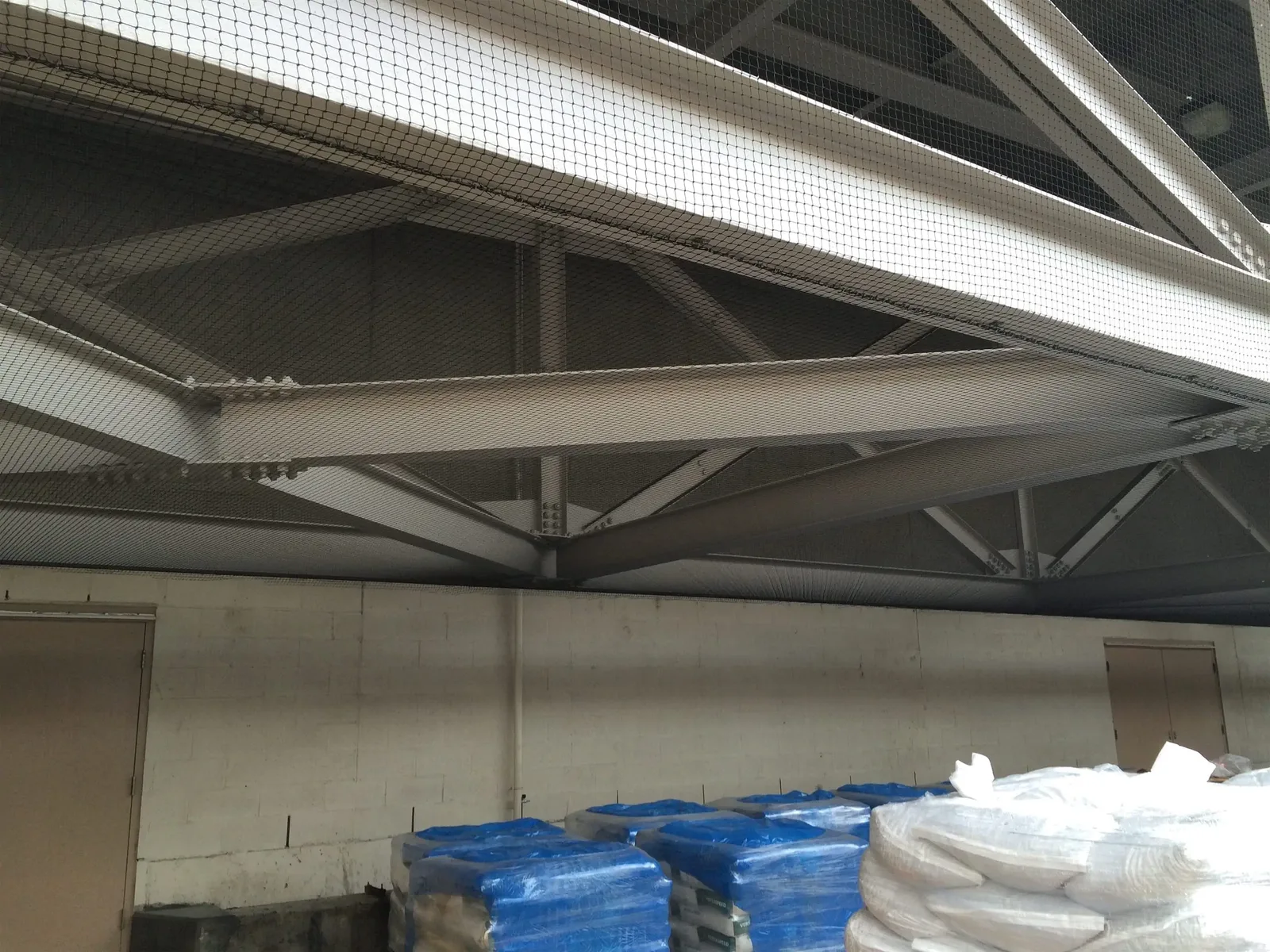
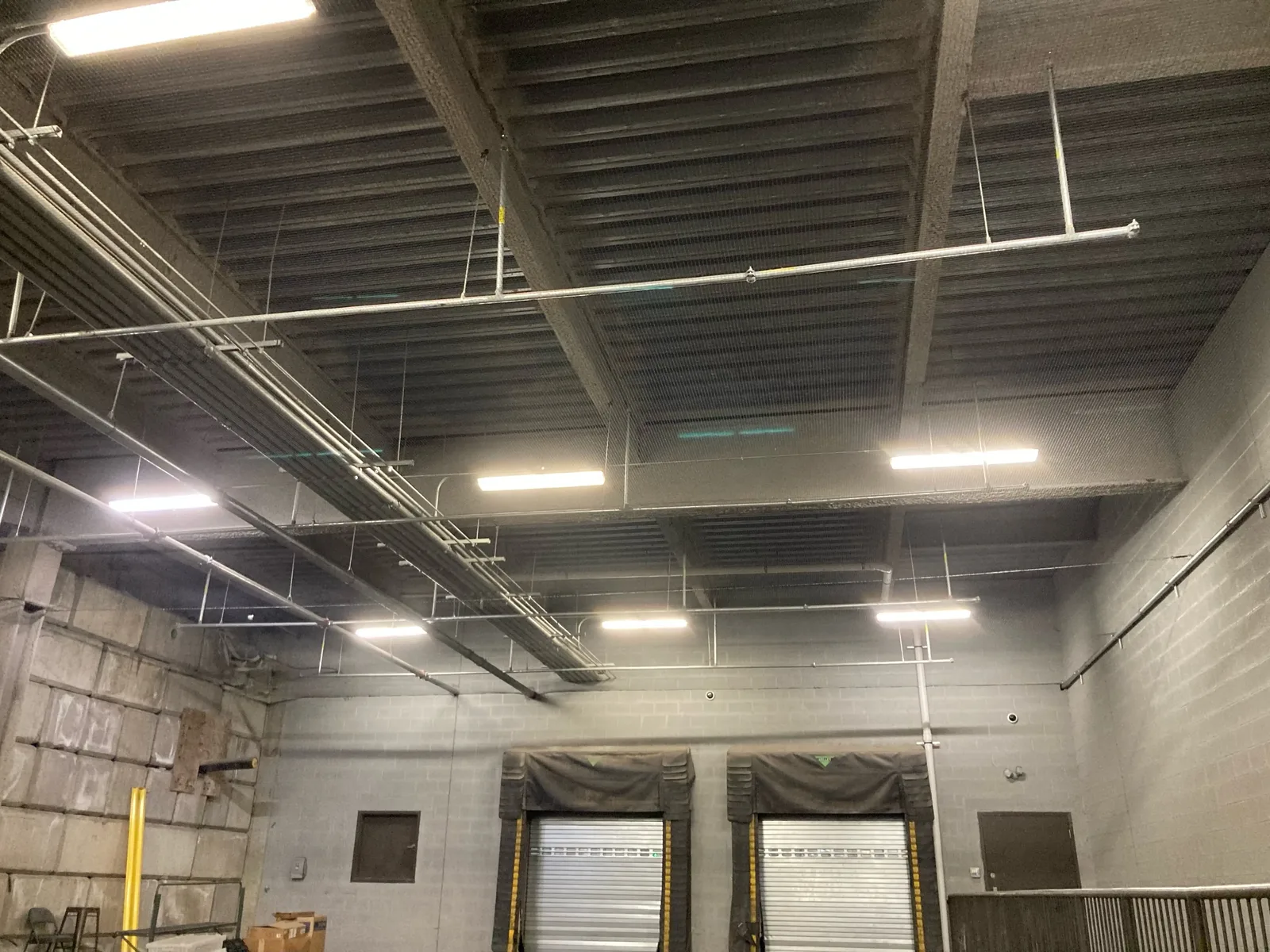
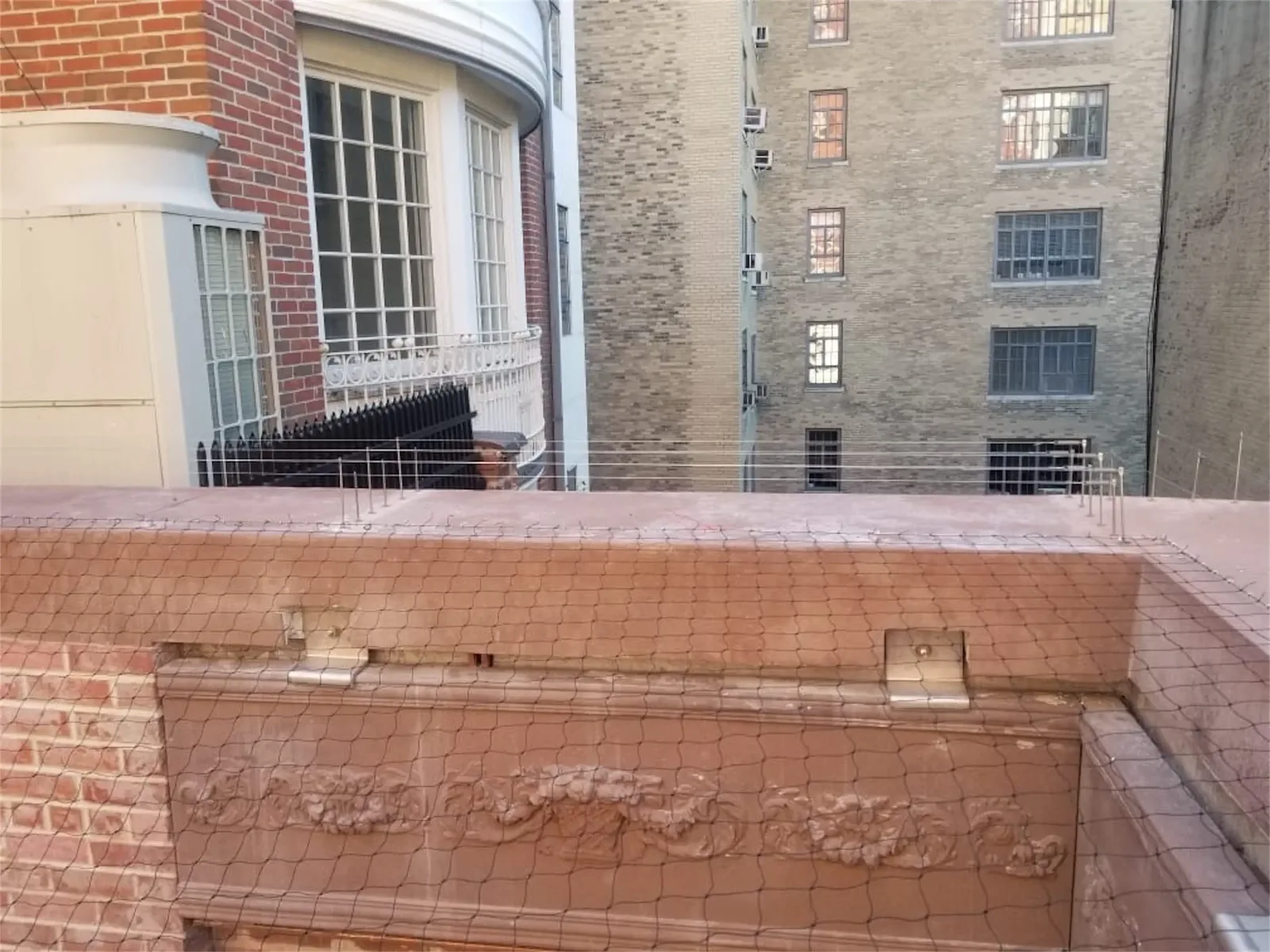

We do not install anything inside or on exhibit enclosures. Every deterrent targets support structures, feed areas, and visitor facilities around the animals, never the animals themselves.
See our bird deterrent options
Every zoo is different, so we coordinate with your animal care team on which structures a deterrent can safely address.
Why zoos treat this as a welfare issue, not just maintenance
Wild birds accessing feed meant for exhibit animals can spread disease into a captive population, and droppings around visitor pavilions and concession areas raise the same slip and sanitation concerns any public venue faces. Left unaddressed, wild bird pressure at a zoo tends to grow season over season as more birds learn where the feed is. We treat every job as a coordinated effort with your staff, not a standard commercial visit.
Accreditation reviews are another factor many zoos weigh, since inspectors evaluating animal care standards often note wild bird access to feed storage as a gap to close. Addressing it proactively, on a schedule your team sets, is easier to manage than responding to a finding during a review cycle.

How a zoo install runs
Working near exhibit animals means every step is planned with your team before any equipment goes in.
- Coordinated survey. We walk the property with your animal care and facilities staff to identify feed areas, structures, and any zones off-limits to our crews.
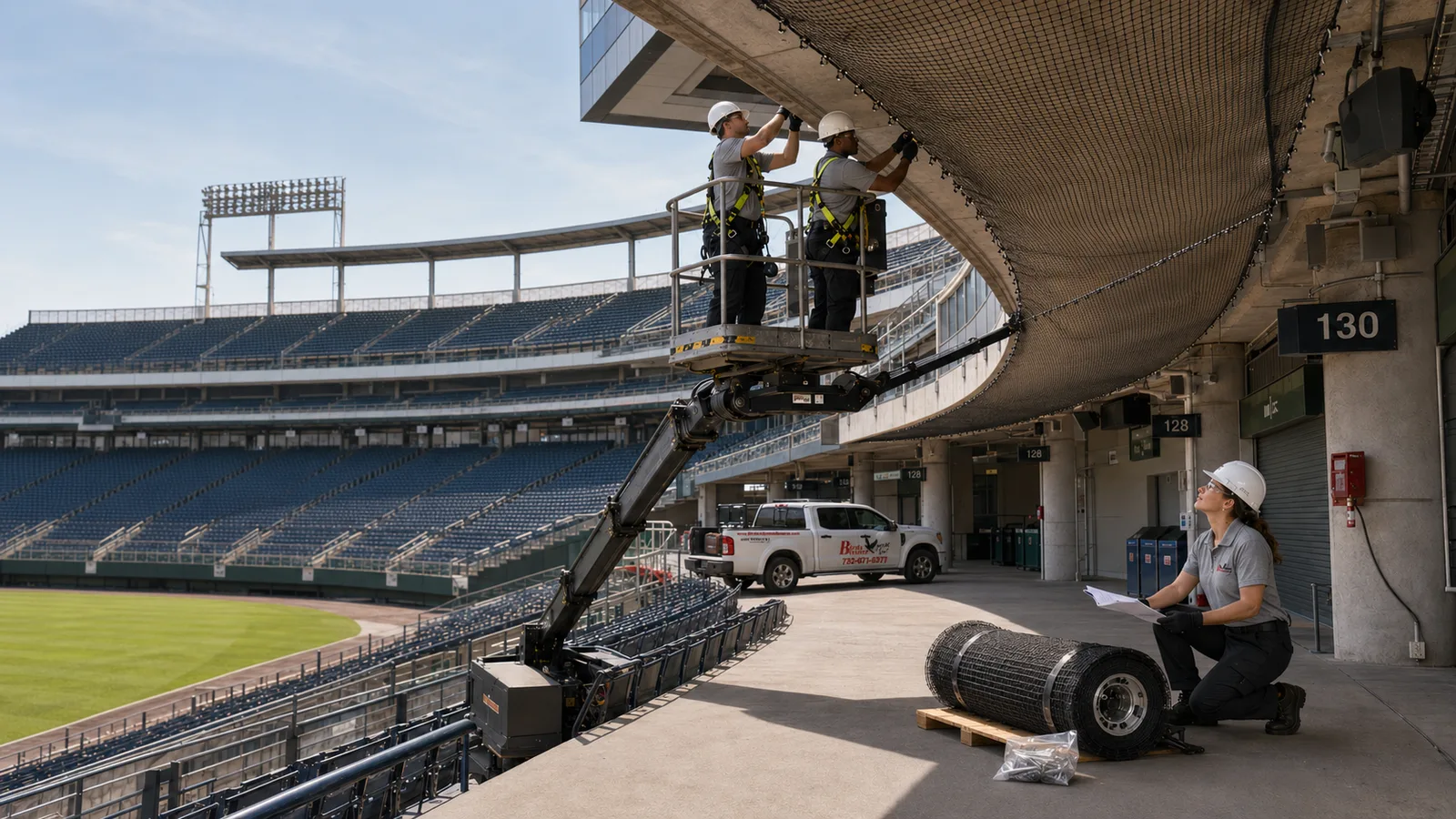
- Approved install. We install only in areas cleared by your team, using netting, exclusion, wire, or spikes on structures away from exhibits.
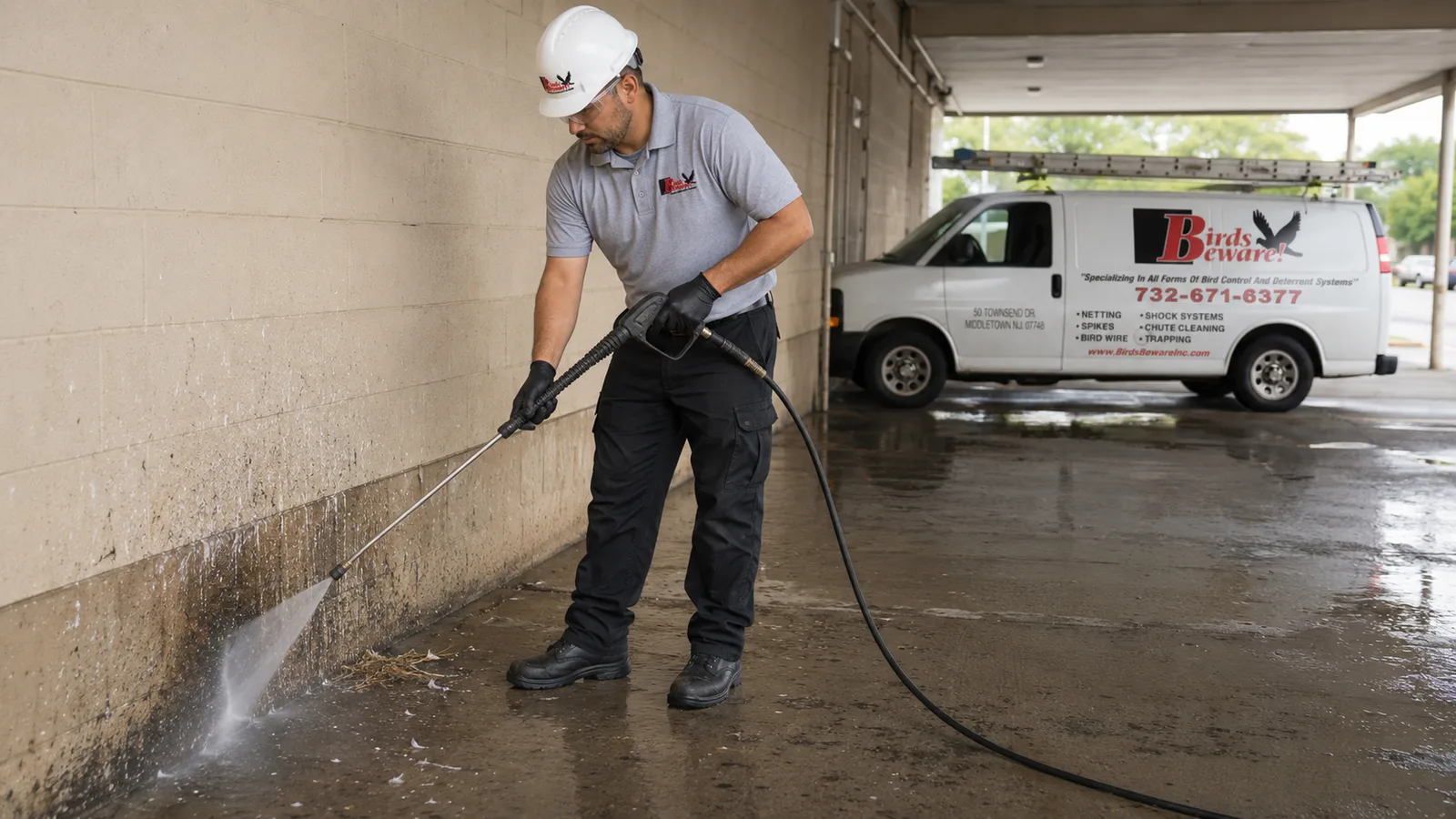
- Cleanup. We clear droppings and debris from affected feed buildings and visitor areas.
- Follow-up. We check back to confirm the exclusion is holding and hasn't been compromised by seasonal wear.

Our process for Zoo Bird Control.
Facility Walkthrough
We inspect the property the way the birds use it — rooflines, ledges, loading areas, grounds, and water — and document the pressure points that matter for your type of facility.
Plan Built for Your Operation
The program is designed around your hours, tenants, and compliance needs: humane deterrents and geese management that solve the problem without disrupting the way the facility runs.
Clean Installation & Service
Uniformed, insured crews install deterrents or run goose-control visits on a schedule that works for the site, then clean and disinfect the areas the birds fouled.
Verify & Maintain
We confirm the pressure is gone, report what was done, and keep the property protected with maintenance visits — so the problem stays solved.
Questions about zoo bird control
Don't see your question? Call the owner directly — we're glad to talk through your property.
Call us(732) 558-2464Bird Control, Species & Deterrents



Customers We Serve
Site Resources for You
Guides, answers, and company pages — everything else you might need.
Bird Resources
Canada Geese Resources
- Resources for Canada GeeseThe geese knowledge hub.
- Hazing TechniquesHow humane hazing actually works.
- Canada Goose BiologyWhy geese behave the way they do.
- Control MethodsEvery method, and when each applies.
- Geese FAQsCommon questions, straight answers.
- Signs of a Geese InvasionEarly warnings a flock is settling in.
- Geese & Human Health MythsWhat's real and what's exaggerated.
- Property Damage from GeeseTurf, water, and walkway damage explained.
Get in Touch
Choose how to reach us and tell us about your bird or Canada geese problem.